

What is a Ceramic Particle Material Pneumatic Conveying Machine? And What Are Its Design Principles?
HeadPowder, a leading manufacturer based in Shandong, China, specializes in industrial equipment for material handling. Among their product line is the ceramic particle material pneumatic conveying machine, a critical piece of machinery designed to efficiently transport ceramic particles through pneumatic systems. This equipment is essential for industries dealing with fine or abrasive ceramic materials, ensuring safe and reliable material movement from source to destination.
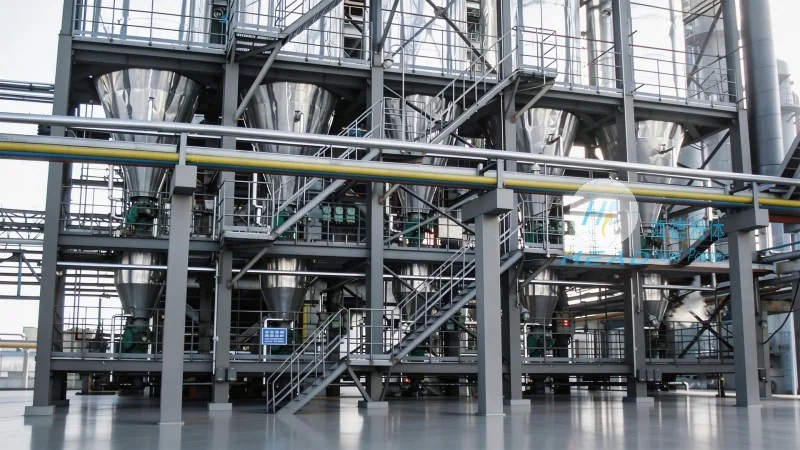
Key Features and Applications
The ceramic particle material pneumatic conveying machine is engineered to handle various types of ceramic powders and granules, including those used in ceramics, refractory materials, and specialty chemicals. Its design incorporates robust components that can withstand the abrasive nature of ceramic particles, minimizing wear and tear over time. The system typically operates by using compressed air to create a flow that transports the material through a pipeline network. This method offers advantages such as dust-free operation, reduced risk of contamination, and the ability to transport materials over long distances without the need for intermediate storage or handling.
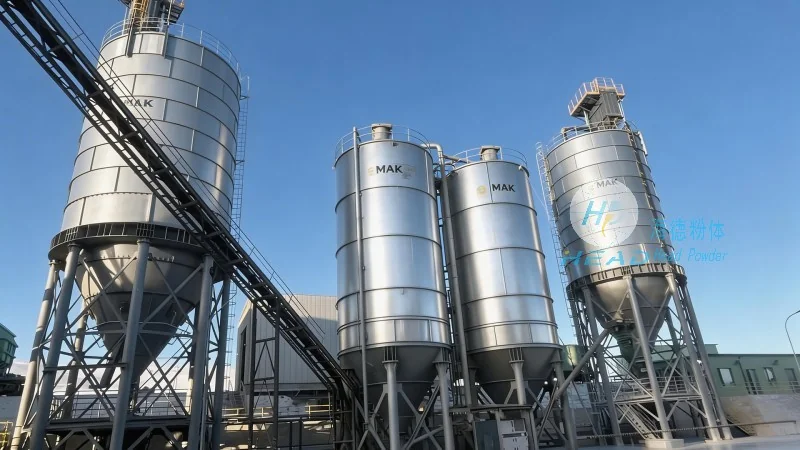
Design Principles: How It Works
The core design principle of the pneumatic conveying machine involves the use of air pressure to move material. The system consists of several key components: a hopper for material storage, a blower or compressor to generate the air flow, a pipeline system to direct the material, and a receiver or discharge unit to collect the material at the destination. The hopper is equipped with a feeder that controls the flow of ceramic particles into the pipeline. As the compressed air is introduced, it creates a low-pressure zone that draws the particles into the air stream. The combination of air velocity and particle size determines the conveying velocity, ensuring efficient transport without clogging or excessive energy consumption.
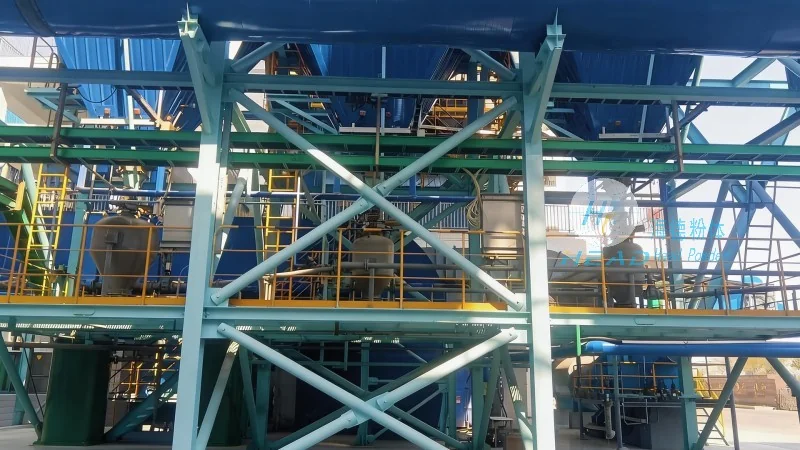
Advantages Over Traditional Methods
Compared to traditional mechanical conveying methods like belt conveyors or screw conveyors, the pneumatic conveying machine offers several advantages for ceramic material handling. Firstly, it eliminates the need for physical contact between the material and the conveying equipment, reducing the risk of contamination and wear. Ceramic particles are often delicate and can be damaged by friction or impact, making pneumatic transport a gentler option. Secondly, the system can handle a wide range of particle sizes and shapes, from fine powders to coarse granules, without requiring adjustments to the equipment. Thirdly, the ability to operate in a closed system minimizes dust emissions, improving workplace safety and environmental compliance. Additionally, the flexibility of pneumatic conveying allows for easy integration into existing production lines, enabling seamless material transfer between processes.
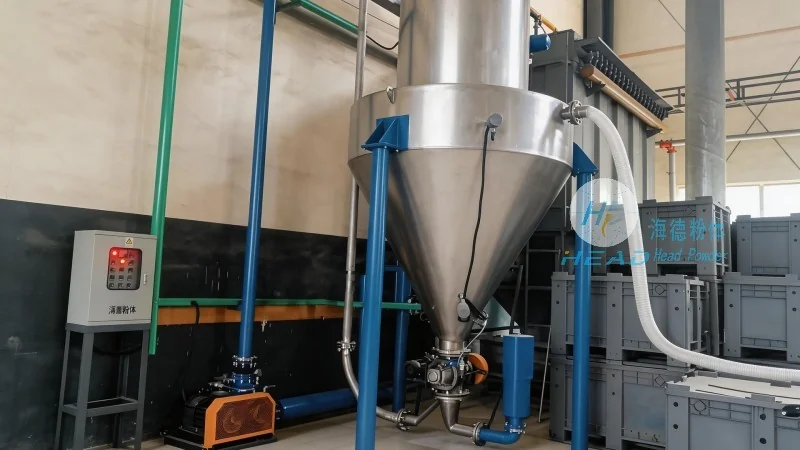
Installation and Maintenance Considerations
Proper installation and regular maintenance are crucial for the optimal performance and longevity of the ceramic particle material pneumatic conveying machine. Installation should consider the layout of the production facility, ensuring that the pipeline system is designed to minimize pressure drops and avoid sharp bends or obstructions that could cause clogging. The hopper and feeder should be sized appropriately to handle the material flow rate, preventing overloading or underloading that could affect conveying efficiency. Regular maintenance includes checking the blower or compressor for proper air pressure and flow, inspecting the pipeline for leaks or blockages, and cleaning the hopper and receiver to remove accumulated material. Additionally, the wear parts, such as the feeder and pipeline components, should be inspected periodically and replaced as needed to prevent premature failure.