

What is a Graphite Crushed Material Pneumatic Conveying Line? What are the Design Principles?
Graphite, a versatile and widely used material in various industrial applications, often requires efficient handling and transportation of its crushed or powdered forms. Shandong HeadPowder Engineering Co., Ltd., a leading provider of material handling solutions, specializes in designing and manufacturing graphite crushed material pneumatic conveying lines. These systems are engineered to transport graphite in its crushed or powdered state through a pipeline using air or gas as the conveying medium, offering numerous advantages over traditional mechanical conveying methods.
Key Components of a Pneumatic Conveying System
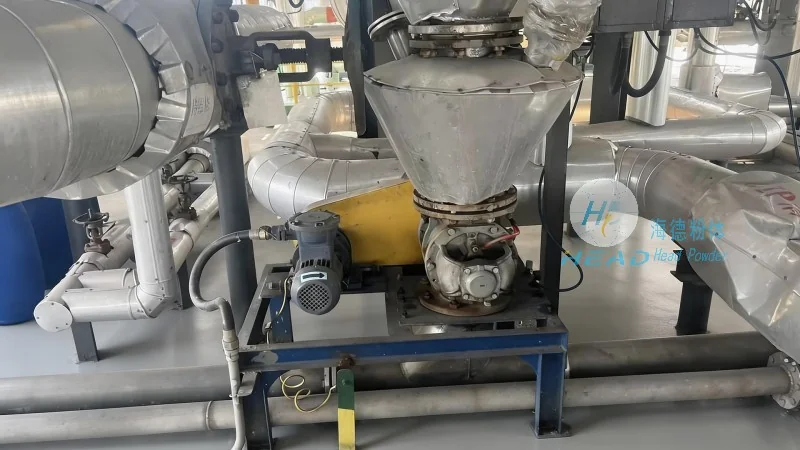
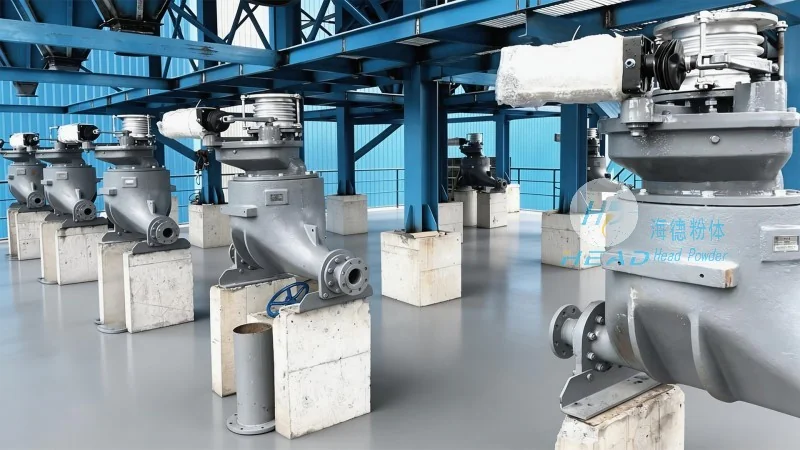
At the core of any pneumatic conveying line are several critical components that work in tandem to ensure smooth material transport. The primary elements include a material feed hopper, a conveyor pipeline, a pressure or vacuum source (such as a blower or vacuum pump), and a discharge unit. The feed hopper is responsible for storing and metering the graphite material, ensuring a consistent flow into the system. The pipeline, typically made of materials like stainless steel or plastic, is designed to withstand the pressure and abrasion from the graphite particles. The pressure source generates the necessary airflow to move the material through the pipeline, while the discharge unit collects the material at the destination point, such as a storage silo or processing equipment.
Design Principles for Optimal Performance
The design of a graphite crushed material pneumatic conveying line is governed by several key principles aimed at maximizing efficiency, reliability, and safety. One of the most critical considerations is the material's properties, particularly its particle size, density, and flowability. These characteristics directly impact the system's air velocity requirements and the overall pressure drop along the pipeline. For graphite, which is often fine and abrasive, the design must account for potential blockages and wear on the pipeline and components. Engineers typically use computational fluid dynamics (CFD) simulations to model the flow behavior and optimize the system's design before implementation.
System Sizing and Airflow Considerations
Proper system sizing is essential to ensure the pneumatic conveying line operates within its optimal range. This involves calculating the required air velocity and volume to transport the graphite material at the desired rate. The air velocity must be high enough to overcome the material's resistance to flow but not so high as to cause excessive wear or energy consumption. The system's pressure drop, which is the difference in pressure between the inlet and outlet of the pipeline, is another critical factor. A well-designed system minimizes pressure drop by using smooth pipelines, appropriate bends, and efficient components, thereby reducing the energy required to operate the system.
Advantages of Pneumatic Conveying for Graphite Handling
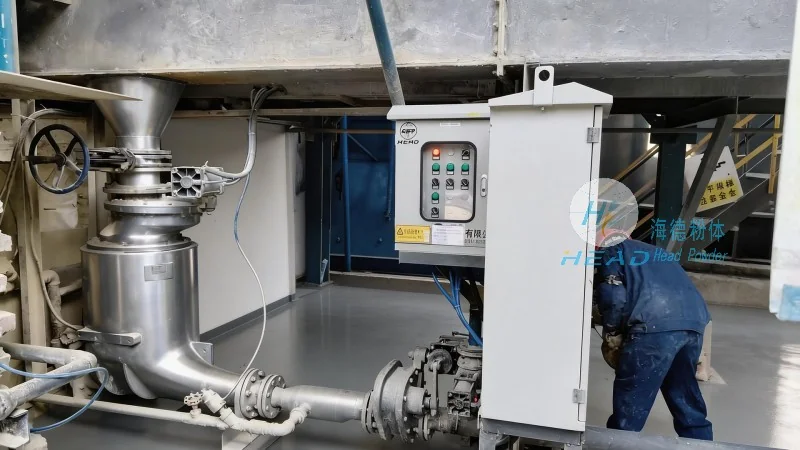
Compared to traditional mechanical conveying methods, such as screw conveyors or belt conveyors, pneumatic conveying offers several distinct advantages for handling graphite. One of the most significant benefits is the reduced risk of contamination, as the material is enclosed within the pipeline, preventing exposure to external elements or cross-contamination. Additionally, pneumatic systems can handle materials with high moisture content or those that are prone to caking, as the air flow helps maintain the material's flowability. The system also allows for flexible routing, enabling the material to be transported to multiple destinations from a single source without the need for additional equipment. Furthermore, the enclosed nature of the system minimizes dust emissions, contributing to a cleaner and safer working environment.
Applications and Industries
Graphite crushed material pneumatic conveying lines are widely used in various industries that rely on graphite processing. These include the battery manufacturing industry, where graphite is used as an anode material in lithium-ion batteries, the refractory industry, where graphite is used in high-temperature applications, and the metallurgical industry, where it is used as a lubricant or reducing agent. In each of these applications, the ability to efficiently transport graphite in its crushed or powdered form is crucial for maintaining production efficiency and product quality.
Conclusion
Graphite crushed material pneumatic conveying lines are sophisticated systems that combine engineering principles with material science to efficiently transport graphite in its processed form. By understanding the design principles, key components, and operational considerations, manufacturers can optimize their conveying systems to meet the specific needs of their applications. The continuous advancements in material handling technology ensure that these systems remain efficient, reliable, and adaptable to the evolving demands of the industries they serve.