

Introduction to Zinc Calcine Powder Conveying: Structure and Principle Overview
Efficient and reliable powder conveying systems are crucial in the zinc industry, particularly for handling zinc calcine—a key intermediate product in the production of zinc and related alloys. This article provides an overview of zinc calcine powder conveying systems, focusing on their structural design and operational principles. The information is presented by Shandong HeadPowder Engineering Co., Ltd., a leading provider of specialized engineering solutions for the powder handling sector.
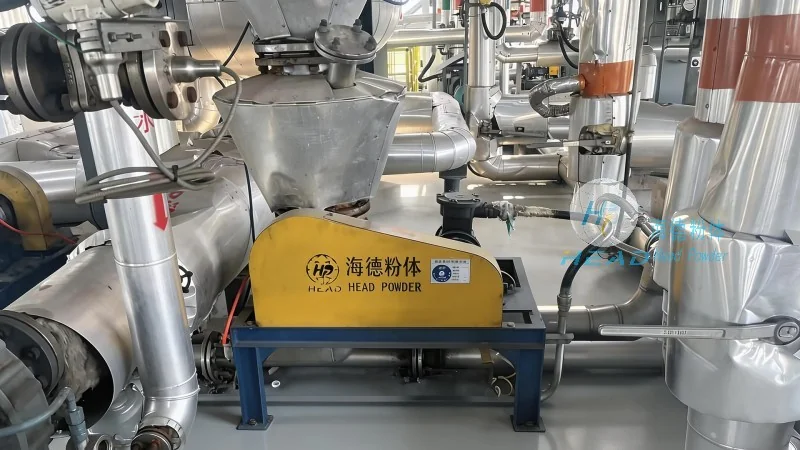
Company Profile: Shandong HeadPowder Engineering Co., Ltd.
Shandong HeadPowder Engineering Co., Ltd., commonly known as HeadPowder, is a professional enterprise based in Shandong, China. The company specializes in the research, development, and manufacturing of advanced powder conveying equipment and systems. With a strong commitment to innovation and quality, HeadPowder serves clients across various industries, including metallurgy, chemicals, and food processing. The company's expertise lies in designing customized solutions that meet the unique demands of powder handling applications, ensuring optimal performance and safety.
Understanding Zinc Calcine and Its Handling Requirements
Zinc calcine is a fine powder produced during the roasting process of zinc concentrates. It is characterized by its high moisture content, abrasive nature, and potential for dust generation. Proper handling of zinc calcine is essential to prevent material loss, equipment wear, and environmental contamination. Conventional methods such as manual handling or simple pneumatic systems often fall short in meeting the demanding requirements of zinc calcine transport. This has led to the development of specialized conveying systems that address the unique challenges associated with this material.
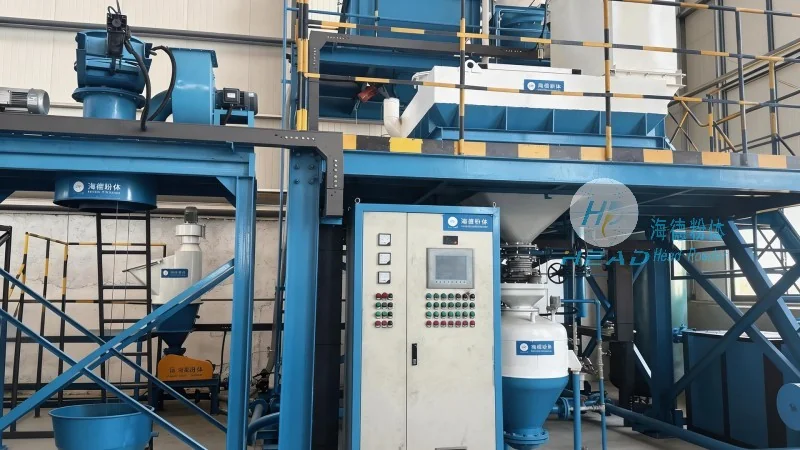
Structural Design of Zinc Calcine Powder Conveying Systems
The structural design of zinc calcine powder conveying systems is tailored to handle the specific properties of zinc calcine. Key components typically include a hopper for material storage, a feeder to regulate the flow rate, a conveyor (either pneumatic or mechanical), and a discharge mechanism. The hopper is designed with a sloped bottom to facilitate material discharge and prevent clogging. The feeder, often a rotary valve or a screw feeder, ensures a consistent and controlled flow of powder into the conveyor. For pneumatic conveying, a blower or compressor provides the necessary air pressure to transport the material through a pipeline. The pipeline is constructed from materials resistant to corrosion and abrasion, such as stainless steel or special alloys, to withstand the harsh conditions of zinc calcine.
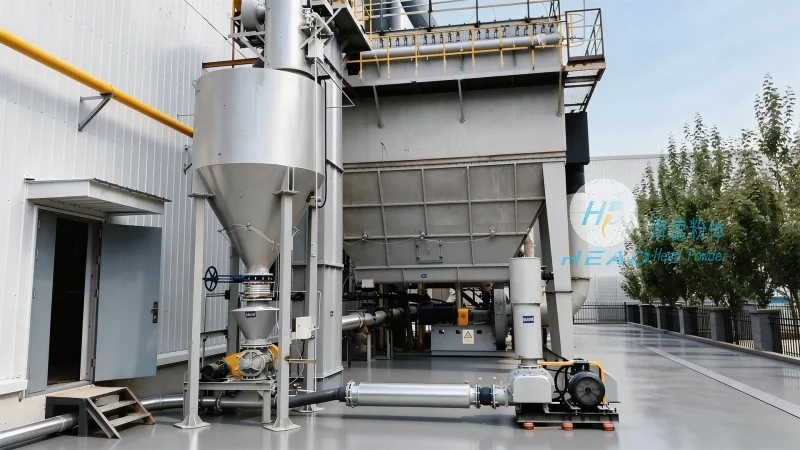
Operational Principles of Zinc Calcine Powder Conveying
The operational principle of zinc calcine powder conveying systems revolves around the movement of material from the source to the destination. In pneumatic conveying systems, the process begins with the material being fed into the hopper. The feeder then regulates the flow rate, ensuring a steady supply of powder. The blower then generates a high-pressure air stream that carries the powder particles through the pipeline. The air-powder mixture travels to the discharge point, where the material is separated from the air using a cyclone or a filter. The separated powder is then collected and transported to the next processing stage. Mechanical conveying systems, such as screw conveyors or belt conveyors, operate on a similar principle but use mechanical force to move the material. The screw or belt rotates, pushing the powder forward through the conveyor. This method is particularly effective for handling bulk quantities of zinc calcine and is often used in large-scale production facilities.
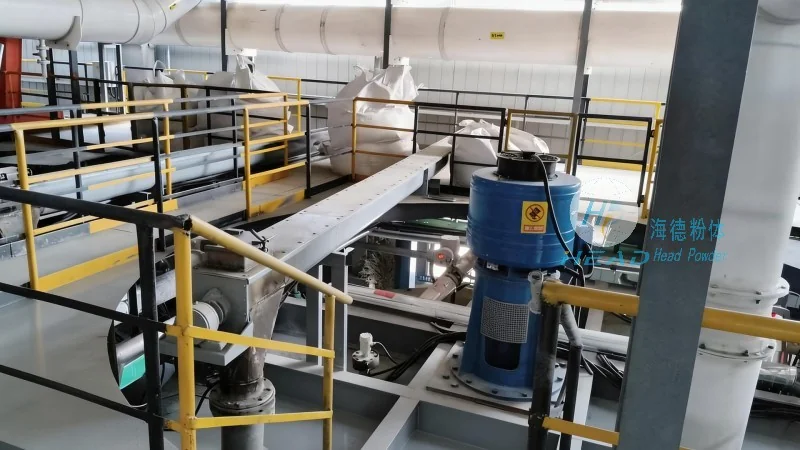
Advantages of Specialized Zinc Calcine Conveying Systems
Specialized zinc calcine powder conveying systems offer several advantages over conventional methods. Firstly, they provide a high level of efficiency in material transport, reducing the time and labor required for handling. Secondly, these systems minimize material loss and contamination, ensuring that the zinc calcine remains in optimal condition for further processing. Thirdly, the use of corrosion-resistant materials and robust design components extends the lifespan of the equipment, reducing maintenance costs. Additionally, the controlled flow rate and consistent operation of these systems improve process stability and product quality. For industries dealing with zinc calcine, investing in specialized conveying systems is a strategic decision that enhances operational efficiency and sustainability.
Conclusion and Company Commitment
In conclusion, zinc calcine powder conveying systems are critical components in the zinc production process. The structural design and operational principles of these systems are carefully engineered to handle the unique properties of zinc calcine, ensuring efficient and safe material transport. Shandong HeadPowder Engineering Co., Ltd. continues to innovate and provide advanced solutions for powder handling, helping clients achieve their production goals while maintaining high standards of quality and safety. With a focus on customer needs and technological advancement, HeadPowder remains a trusted partner in the development of efficient zinc calcine conveying systems.