

Introduction to Gypsum Powder Handling and Structural Principles
For industrial applications involving gypsum powder, efficient and reliable handling systems are crucial to ensure smooth production processes and maintain product quality. This article provides an overview of gypsum powder handling systems, focusing on the structural principles that underpin their design and operation. The discussion will cover key components, material properties, and the engineering considerations that make these systems effective for transporting and processing gypsum powder. As a leading provider of specialized engineering solutions, Shandong HeadPowder Engineering Co., Ltd. (headpowder) has extensive experience in designing and implementing such systems for clients across various industries.
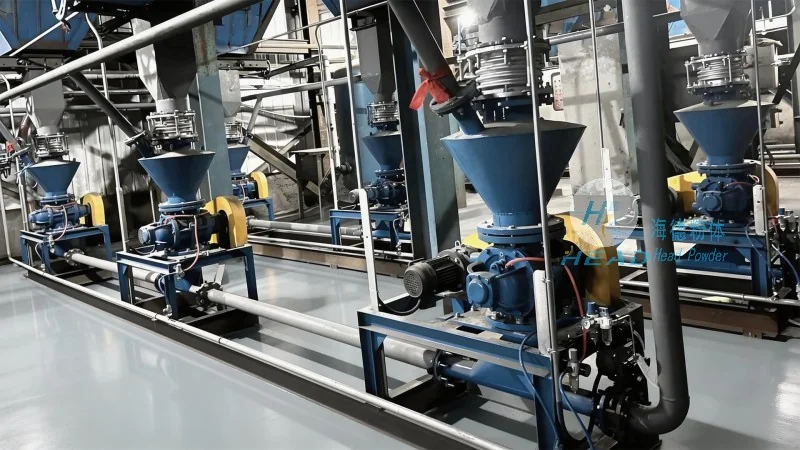
Gypsum Powder Handling: Core Components and System Design
At the heart of any gypsum powder handling system are several critical components that work in concert to move, store, and process the material. The primary elements include feeders, conveyors, storage silos, and control systems. Each component is selected based on the specific characteristics of gypsum powder, such as its particle size, moisture content, and flowability. For instance, rotary feeders are commonly used to regulate the flow of gypsum from storage silos to downstream equipment, while pneumatic conveyors or belt conveyors may be employed for longer transport distances. The design of these systems must also account for the potential for dust generation and the need for dust control measures, which are essential for maintaining a safe and clean working environment.
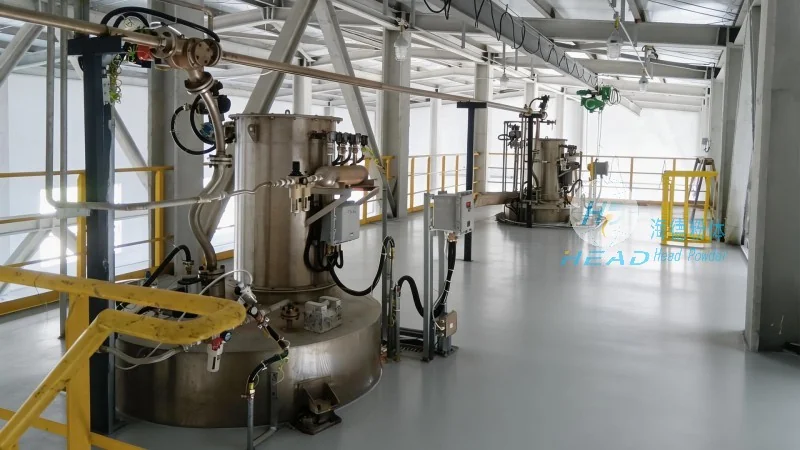
Structural Principles of Gypsum Powder Handling Systems
The structural principles governing gypsum powder handling systems are rooted in fluid dynamics and material science. One of the fundamental principles is the concept of bulk material behavior, where gypsum powder is treated as a granular solid. This approach allows engineers to apply principles from powder technology to optimize the system's performance. Key factors include the powder's angle of repose, which influences how it flows from hoppers and silos, and its compressibility, which affects the pressure drop in conveying lines. Additionally, the moisture content of gypsum powder is a critical variable; excessive moisture can lead to caking or blockages, while too little moisture may cause the powder to become too dusty and difficult to handle. Therefore, moisture control is often integrated into the handling system to maintain optimal conditions.
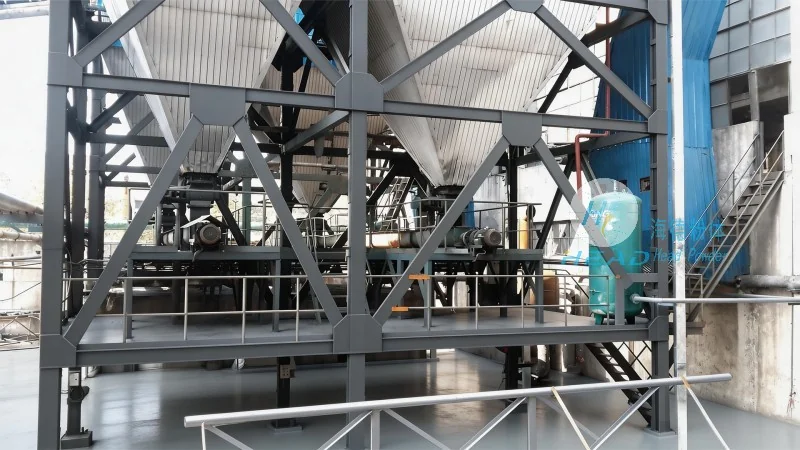
Engineering Considerations for Safe and Efficient Handling
Ensuring the safety and efficiency of gypsum powder handling systems requires careful attention to engineering principles. One of the most important considerations is the prevention of dust explosions, which can occur when fine powders are suspended in air under the right conditions. To mitigate this risk, systems often incorporate explosion-proof designs, dust collection systems, and proper ventilation. Another critical aspect is the maintenance of material flow; factors such as hopper design, feeder speed, and conveyor slope are all optimized to prevent bridging, rat-holing, or segregation of the powder. These issues can lead to uneven material distribution and reduced system efficiency. By addressing these challenges through proper engineering, the handling system can operate reliably and maintain consistent product quality.
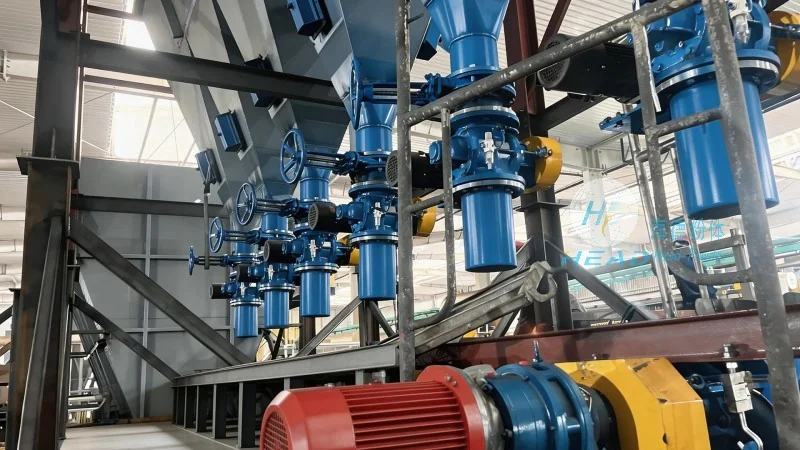
Applications and Industry Relevance
Gypsum powder handling systems are widely used in various industries, including construction, pharmaceuticals, and agriculture. In the construction sector, gypsum is used to produce drywall and plaster, where consistent powder quality is essential for achieving the desired finish and strength. The pharmaceutical industry relies on gypsum powder for certain formulations, where purity and uniformity are paramount. In agriculture, gypsum is used as a soil amendment to improve soil structure and nutrient availability. Regardless of the application, the structural principles discussed above ensure that the powder is handled safely and efficiently, meeting the specific requirements of each industry.