

Introduction to Corn Flour Bulk Material Conveying: Structure and Principle Explanation
For industrial operations dealing with corn flour, efficient bulk material handling is crucial to ensure smooth production processes and maintain product quality. The system designed by Shandong HeadPowder Engineering Co., Ltd. (headpowder), a leading engineering company based in Shandong, China, addresses these needs through a well-engineered approach that combines robust structural design with clear operational principles. This overview aims to provide insights into the key components and functional mechanisms of the corn flour bulk material conveying system, highlighting how it meets the demands of modern processing facilities. By understanding the structure and principles behind this technology, users can appreciate the efficiency and reliability that headpowder's solutions offer in managing corn flour in bulk.
Key Structural Components of the Conveying System
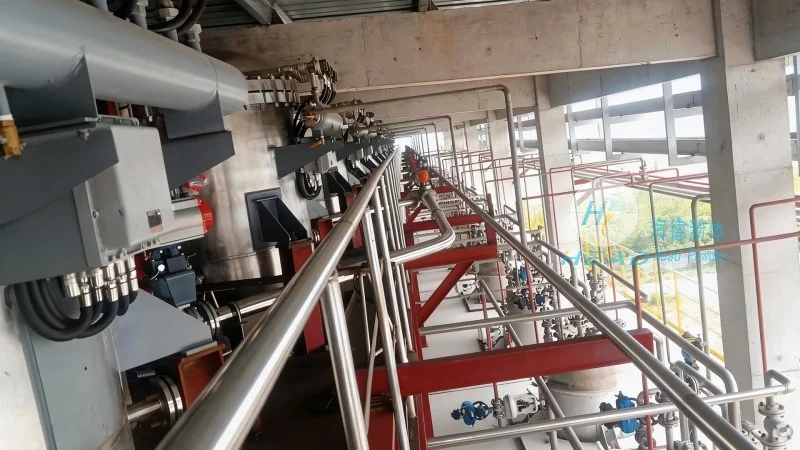
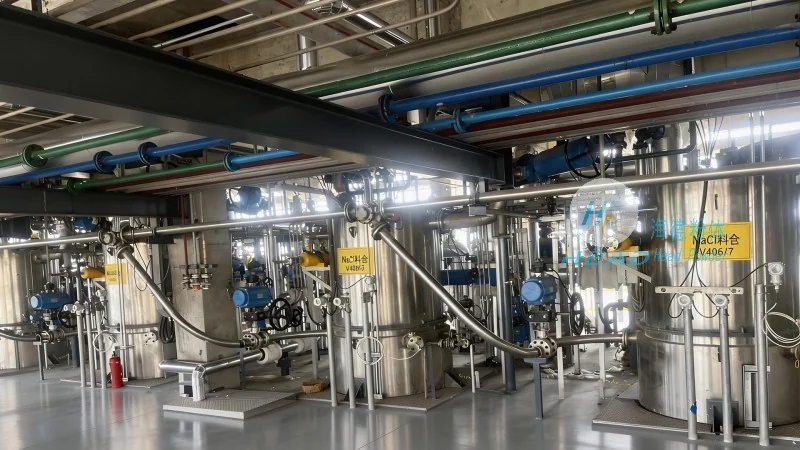
The corn flour bulk material conveying system developed by headpowder incorporates several critical structural elements that work in tandem to facilitate seamless material transport. At its core, the system features a durable frame constructed from high-quality materials, ensuring stability and resistance to the stresses associated with continuous operation. The frame is designed to support the weight of the conveyor components and the material being transported, providing a solid foundation for the entire system. The conveyor components, including the main drive mechanism (such as electric motors and gearboxes) and the conveying belt or chute, are engineered to handle the specific characteristics of corn flour, such as its fine particle size and potential for dust generation. The belt material is typically selected for its resistance to abrasion and its ability to prevent material buildup, which is essential for maintaining consistent flow rates. Additionally, the system incorporates specialized sealing and filtration components, such as dust collection hoods and air filters, to minimize dust dispersion and maintain a clean working environment. These structural features collectively contribute to the system's reliability and efficiency in handling corn flour in bulk, reducing the risk of product contamination and equipment damage.
Operational Principles and Functional Mechanisms
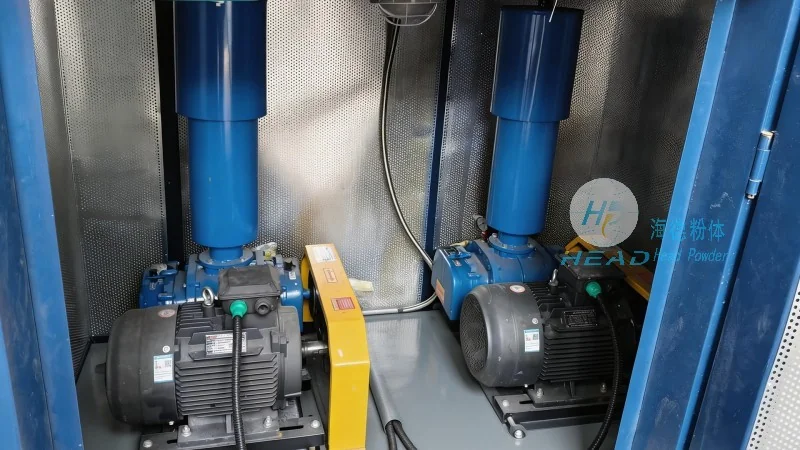
The operational principles of the corn flour bulk material conveying system are based on a combination of mechanical and pneumatic technologies, tailored to the unique properties of corn flour. The system utilizes a combination of gravity and mechanical force to move the material through the conveying path, with adjustable speed controls that allow for precise regulation of flow rates. The main drive mechanism, powered by an electric motor, rotates the conveyor belt or drives the chute, creating the necessary force to move the corn flour. The speed of the conveyor can be adjusted based on the required throughput, ensuring that the system operates at optimal efficiency. The system also incorporates sensors and control panels that allow operators to monitor key parameters, such as material level and conveyor speed, in real-time. This enables immediate adjustments to be made if any issues arise, preventing bottlenecks or equipment overload. Furthermore, the system is equipped with safety features, such as emergency stop buttons and overload protection, to ensure safe operation and prevent equipment damage. The integration of these operational principles ensures that the system operates efficiently while maintaining product integrity and workplace safety, aligning with industry standards and regulations.
Benefits of the Corn Flour Bulk Material Conveying System
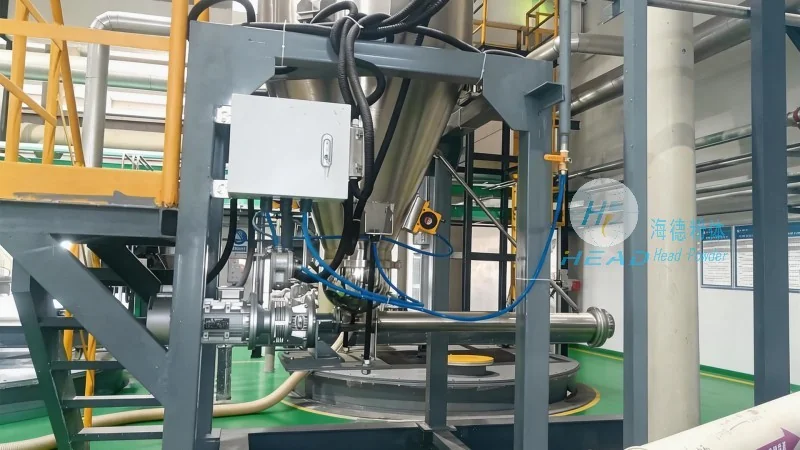
Implementing the corn flour bulk material conveying system from Shandong HeadPowder Engineering Co., Ltd. offers several advantages for industrial users. The system's robust design and efficient operational principles result in reduced downtime and maintenance costs, as the components are built to withstand the rigors of continuous use. The precise control over material flow rates enhances production consistency, leading to higher product quality and reduced waste. Additionally, the system's dust management features contribute to a safer working environment, complying with occupational health and safety regulations. These benefits make the system an ideal choice for businesses seeking to optimize their corn flour processing operations and improve overall operational efficiency. By investing in this technology, companies can enhance their production capabilities, meet increasing demand for corn flour products, and maintain a competitive edge in the market. The system's reliability and performance also support long-term business growth, providing a solid foundation for sustainable operations.