

Introduction to Sintering Dust Powder Conveying: Structure and Principle Overview
For industrial operations dealing with sintering dust and powder materials, efficient and reliable conveying systems are essential to maintain productivity and ensure safety. This overview focuses on the key aspects of sintering dust powder conveying, including its structural design and operational principles, as provided by Shandong HeadPowder Engineering Co., Ltd., a leading provider in the field.
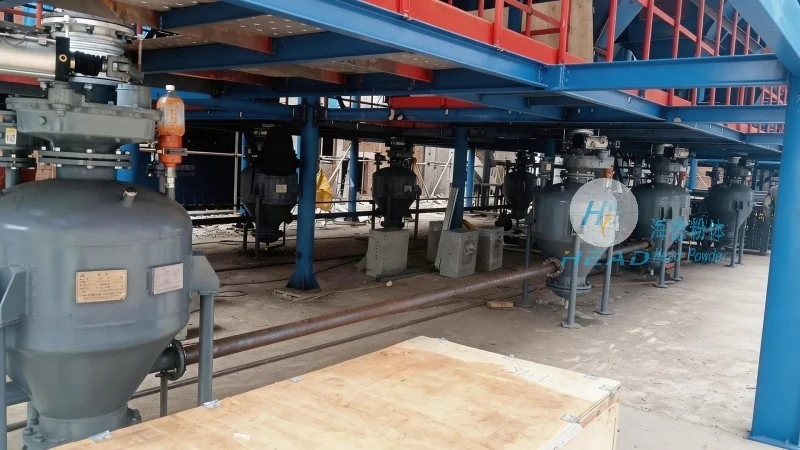
Understanding Sintering Dust Powder Conveying Systems
Sintering dust, often generated in processes like sintering, calcination, or other high-temperature operations, requires specialized handling due to its fine particle size and potential health hazards. Conveying these materials efficiently while minimizing dust dispersion is critical for both environmental compliance and operational efficiency. The systems designed for this purpose are engineered to address these challenges through robust construction and intelligent control mechanisms.
Core Components and Structural Design
The sintering dust powder conveying system typically consists of several key components that work in tandem to ensure smooth material transport. These include feed hoppers, conveyor belts or pipes, drive mechanisms, and control systems. The structural design emphasizes durability and resistance to abrasive particles, which are common in sintering operations. For instance, the use of high-strength materials and wear-resistant coatings on conveyor components extends the lifespan of the equipment and reduces maintenance costs.
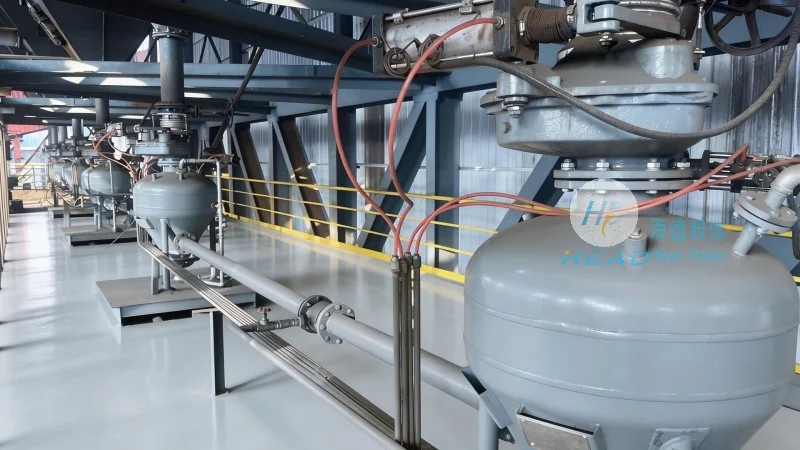
Operational Principles and Efficiency
The principle of operation for sintering dust powder conveying systems involves the controlled movement of fine particles from a source to a destination, such as a storage silo or processing unit. This is achieved through various mechanisms, including pneumatic conveying (using air pressure to move particles) or mechanical conveying (using belts, screws, or buckets). The choice of method depends on factors like material characteristics, distance, and required flow rates. Advanced systems may incorporate variable speed drives and sensors to optimize flow and prevent blockages, enhancing overall efficiency and reducing downtime.
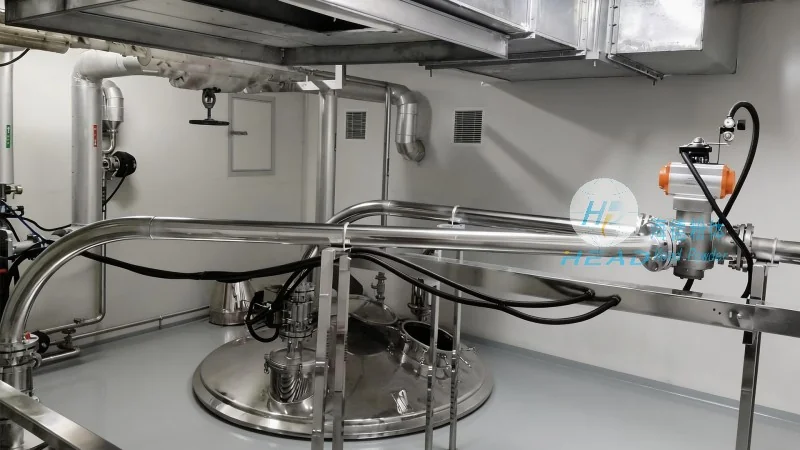
Applications and Industry Impact
Effective sintering dust powder conveying solutions are vital in industries such as metallurgy, ceramics, and chemical processing, where large volumes of fine powders are handled. By ensuring consistent material flow and minimizing waste, these systems contribute to improved product quality and reduced operational costs. The technology behind these systems, developed by companies like Shandong HeadPowder Engineering Co., Ltd., reflects a deep understanding of industrial needs and a commitment to innovation.
Company Overview: Shandong HeadPowder Engineering Co., Ltd.
As a professional manufacturer and supplier, Shandong HeadPowder Engineering Co., Ltd. specializes in providing customized conveying solutions tailored to the unique requirements of sintering dust and powder applications. With a focus on quality, reliability, and customer satisfaction, the company has established itself as a trusted partner in the industry. Headquartered in Shandong, China, the company leverages years of experience and technical expertise to deliver cutting-edge equipment that meets the highest standards of performance and safety.