

Introduction to Plastic Powder Handling Systems: Structure and Working Principles
Plastic powder handling systems are essential in various industrial applications, ensuring efficient and safe transportation of plastic powders from storage to processing units. The system's design and operational principles are crucial for maintaining product quality and operational efficiency. This article provides an overview of the key components, structural design, and working mechanisms of such systems, tailored for industries dealing with plastic powders.
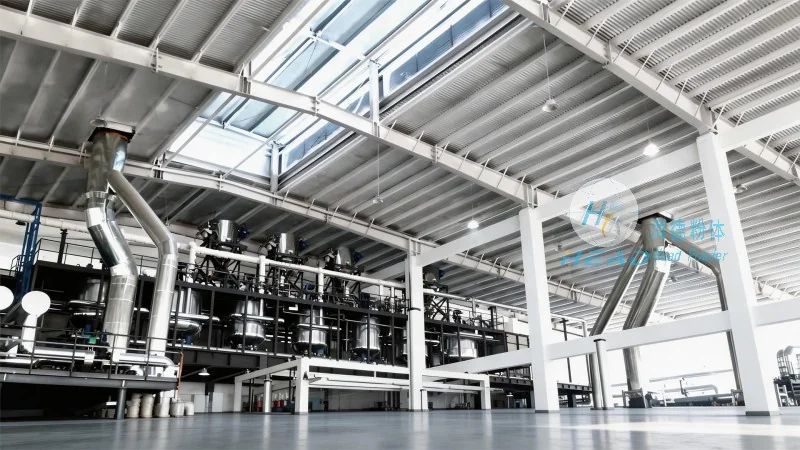
Key Components of Plastic Powder Handling Systems
The plastic powder handling system typically consists of several critical components that work in tandem to achieve reliable material transport. These components include storage hoppers, feeding mechanisms, conveying equipment, and control systems. Each component plays a vital role in the overall functionality of the system.
Storage hoppers are designed to hold large quantities of plastic powder, providing a stable and controlled environment for material storage. They are often equipped with liners or coatings to prevent material buildup and ensure easy discharge. The hoppers may also feature level indicators to monitor the powder inventory, allowing for timely refilling and preventing overfilling or underfilling.
Feeding mechanisms are responsible for transferring the plastic powder from the storage hopper to the conveying equipment. Common feeding methods include screw feeders, rotary valves, and vibratory feeders. Screw feeders use a rotating screw to push the powder forward, providing a controlled and consistent flow rate. Rotary valves, also known as star valves, use a rotating star-shaped mechanism to control the flow of powder, offering precise control over the discharge rate. Vibratory feeders utilize vibration to move the powder, which is particularly effective for handling cohesive or sticky powders.
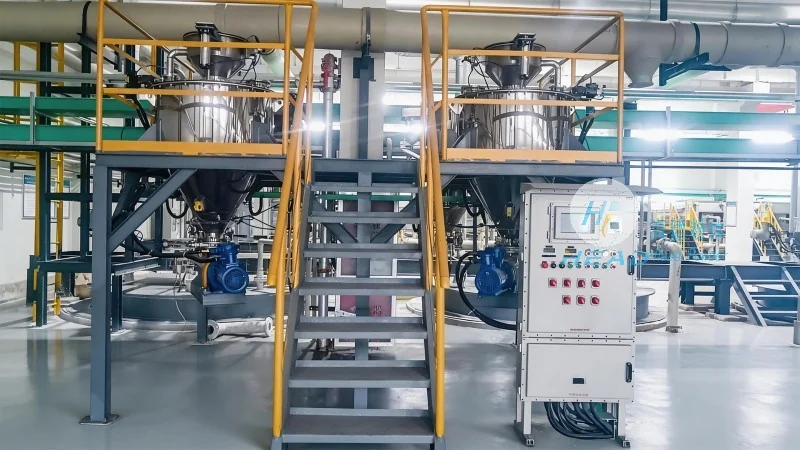
Conveying equipment is the core of the plastic powder handling system, responsible for transporting the powder from the feeding point to the processing unit. The most common types of conveying equipment include pneumatic conveyors, belt conveyors, and screw conveyors. Pneumatic conveyors use air pressure to move the powder through a pipeline, which is suitable for short to medium distances and can handle fine powders. Belt conveyors use a continuous belt to transport the powder, ideal for long-distance transport and bulk material handling. Screw conveyors use a rotating screw to move the powder along a trough, providing a reliable and low-maintenance solution for horizontal or slightly inclined transport.
Control systems are integral to the operation of the plastic powder handling system, ensuring that all components work in coordination. These systems typically include sensors, controllers, and monitoring devices. Sensors such as level sensors, pressure sensors, and flow meters provide real-time data on the system's status, allowing for automatic adjustments to maintain optimal performance. Controllers, often based on programmable logic controllers (PLCs), manage the operation of the feeding and conveying equipment, ensuring that the flow rate and pressure are maintained within specified limits. Monitoring devices, such as indicators and alarms, alert operators to any deviations or issues, enabling timely intervention and preventing system downtime.
Structural Design and Working Principles
The structural design of a plastic powder handling system is tailored to the specific requirements of the application, considering factors such as material properties, processing capacity, and environmental conditions. The system's structure typically includes a frame that supports all the components, ensuring stability and durability. The frame is often made of steel or other robust materials, providing resistance to corrosion and wear from the plastic powder.
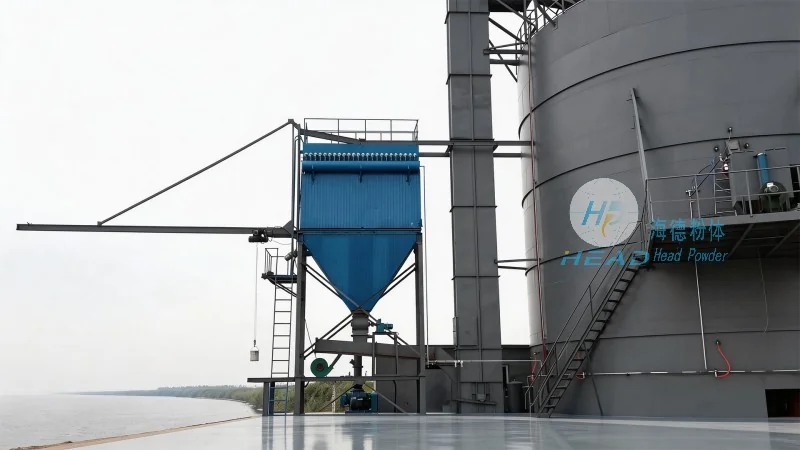
The working principles of the plastic powder handling system revolve around the controlled movement of the powder from the storage hopper to the processing unit. The process begins with the powder being stored in the hopper. The feeding mechanism then activates, transferring the powder to the conveying equipment. The conveying equipment then transports the powder to the processing unit, where it is further processed or used in the manufacturing process.
During the operation, the control system continuously monitors the system's parameters, such as flow rate, pressure, and level. If any parameter deviates from the set points, the control system automatically adjusts the operation of the feeding and conveying equipment to restore optimal conditions. For example, if the powder level in the hopper decreases, the control system may increase the feeding rate to maintain a consistent flow. Similarly, if the pressure in the pneumatic conveyor increases, the system may adjust the air flow to prevent overpressure and potential damage to the equipment.
The system's design also incorporates safety features to protect both the material and the operators. These features include dust collection systems to prevent the release of fine powders into the air, which can cause respiratory issues or fire hazards. The system may also include explosion-proof components in areas where the powder is flammable or explosive, ensuring compliance with safety regulations and preventing accidents.
Applications and Benefits
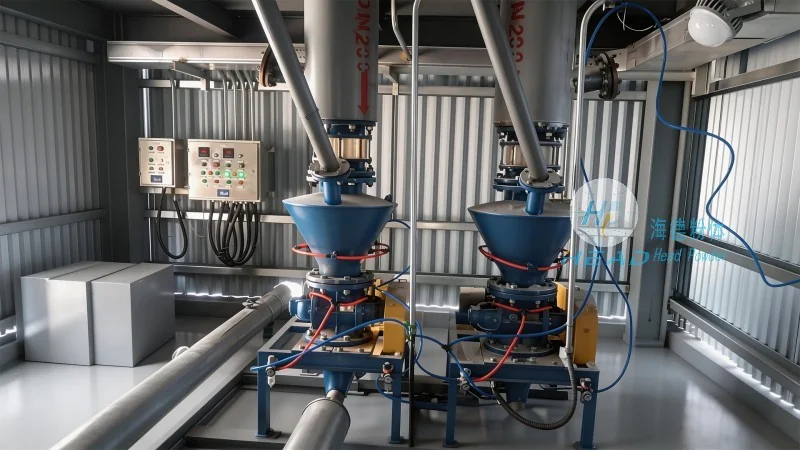
Plastic powder handling systems are widely used in various industries, including plastic manufacturing, food processing, and chemical processing. In the plastic industry, these systems are used to transport raw plastic powders from storage to extrusion or molding machines, ensuring a consistent and reliable supply of material. The benefits of using a plastic powder handling system include improved efficiency, reduced labor costs, and enhanced product quality.
Efficiency is a key benefit of these systems, as they can handle large quantities of plastic powder with minimal human intervention. The automated control systems ensure that the powder is transported at a consistent rate, reducing the risk of overfilling or underfilling, which can affect the quality of the final product. Labor costs are reduced as the system operates with minimal manual labor, allowing operators to focus on other tasks. Product quality is enhanced as the system maintains a consistent flow of powder, preventing contamination and ensuring that the final product meets the required specifications.
Another benefit of plastic powder handling systems is their flexibility. The systems can be customized to meet the specific needs of different applications, allowing for adjustments in capacity, flow rate, and material handling. This flexibility makes them suitable for a wide range of industries and applications, from small-scale operations to large-scale manufacturing plants.