

Introduction to Dye Powder Conveying Systems: Structure and Working Principles
HeadPowder, a leading provider in the field of powder handling technology, specializes in the design, manufacturing, and implementation of efficient dye powder conveying systems. Based in Shandong, China, the company has established itself as a trusted partner for industries requiring reliable and precise powder transport solutions. This article provides an overview of the dye powder conveying system, detailing its structural components and operational principles to help users understand its functionality and benefits.
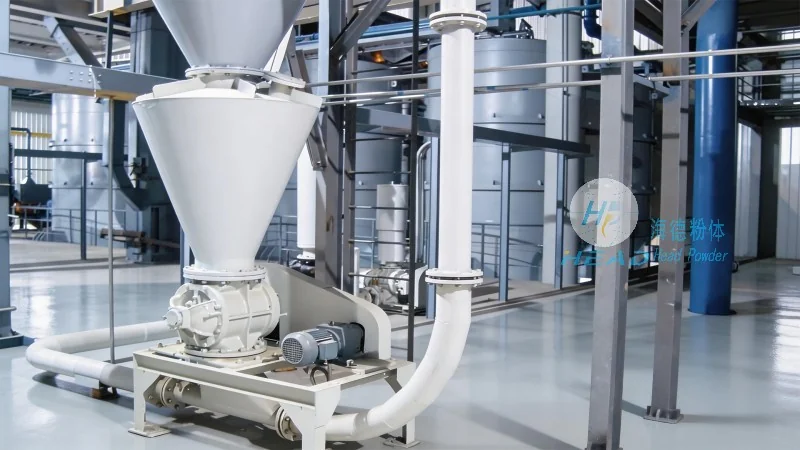
Overview of Dye Powder Conveying Systems
Dye powder conveying systems are engineered to handle the transportation of colored powder materials, such as pigments and dyes, from storage to processing units with minimal loss and maximum efficiency. These systems are critical in industries like textile manufacturing, printing, and chemical processing, where consistent and controlled powder flow is essential for product quality and operational stability. The system’s design incorporates advanced engineering principles to address the unique challenges of handling fine, abrasive, and potentially hazardous powder materials, ensuring safe and effective operation.
Key Structural Components of the Conveying System
The dye powder conveying system consists of several interrelated components that work in tandem to achieve seamless powder transport. The primary components include a hopper for material storage, a feeder mechanism to control the flow rate, a conveying pipeline (often equipped with a pneumatic or mechanical drive), and a discharge unit for delivering the material to the processing equipment. Each component is designed with precision to ensure compatibility with the specific characteristics of dye powders, such as particle size, density, and moisture content. The hopper is typically made of corrosion-resistant materials to prevent contamination and material degradation, while the feeder may use a rotary valve or screw mechanism to regulate the flow, preventing clogging and ensuring uniform material delivery.
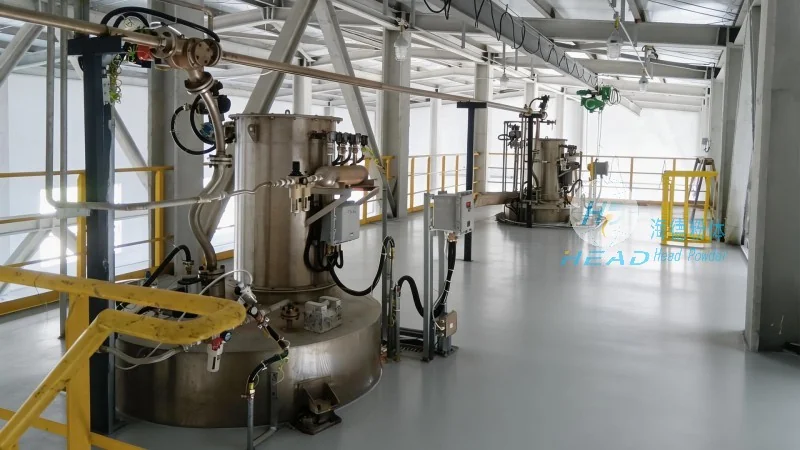
Working Principles of the Conveying System
The operational principle of the dye powder conveying system is based on the use of air or mechanical force to move the powder through the pipeline. In pneumatic conveying systems, compressed air is introduced into the hopper, creating a pressure differential that propels the powder particles forward. The air flow is carefully controlled to maintain a consistent velocity, preventing particle separation and ensuring smooth transport. Mechanical conveying systems, on the other hand, rely on rotating components like screws or belts to push the powder through the pipeline. Both methods are effective, but pneumatic systems are often preferred for handling fine powders due to their ability to maintain particle integrity and prevent agglomeration.
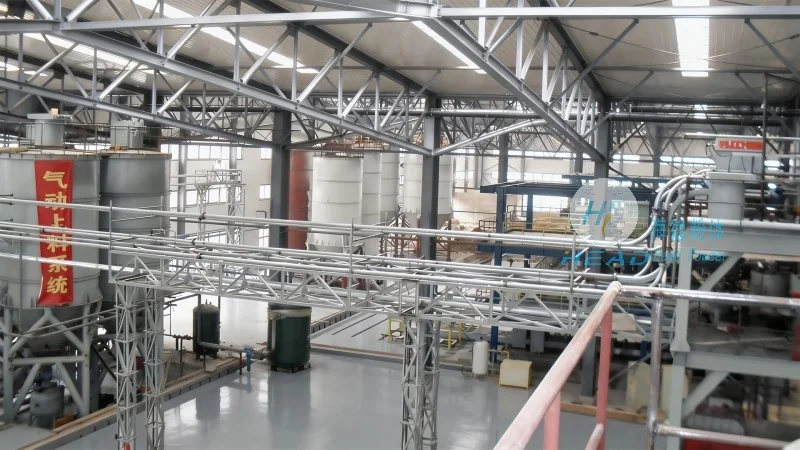
Advantages of the Dye Powder Conveying System
Implementing a dye powder conveying system offers numerous advantages for industrial applications. Firstly, it enhances operational efficiency by automating the powder transport process, reducing manual handling and associated labor costs. The system’s design minimizes material loss and contamination, which is crucial for maintaining product quality in dye applications. Additionally, the system provides precise control over the flow rate, allowing for consistent material delivery to processing units, which improves production consistency and reduces waste. The use of advanced materials and engineering in the system’s construction ensures durability and long-term reliability, reducing maintenance requirements and downtime. Furthermore, the system’s modular design allows for easy integration with existing production lines, making it a flexible solution for various industrial needs.
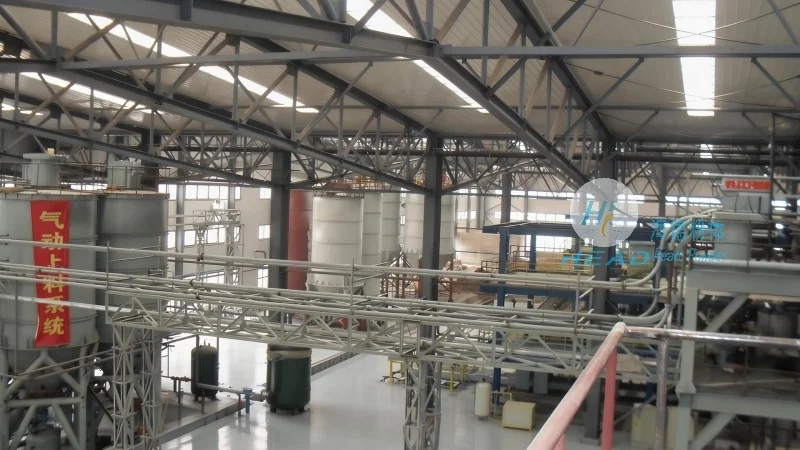
Application Scenarios in Dye Manufacturing
Dye powder conveying systems are widely used in the dye manufacturing industry for several key applications. In the production of textile dyes, the system efficiently transports raw dye powders from storage silos to mixing and blending units, ensuring uniform mixing and consistent color development. In printing industries, the system delivers dye powders to printing machines, maintaining the quality and consistency of printed materials. Chemical processing facilities also benefit from these systems when handling dye intermediates, as they provide a safe and controlled method for transporting potentially hazardous materials. The system’s ability to handle fine powders with high precision makes it indispensable in these applications, where even minor variations in powder flow can impact the final product quality.
Conclusion
HeadPowder’s dye powder conveying system exemplifies advanced powder handling technology, combining robust structural design with efficient operational principles to meet the demands of modern industrial applications. By understanding the system’s components and working mechanisms, users can appreciate its role in enhancing productivity, ensuring product quality, and maintaining operational safety. As a leading manufacturer based in Shandong, China, HeadPowder continues to innovate and provide tailored solutions that address the specific needs of industries relying on dye powder transport. The system’s reliability and efficiency make it a valuable asset for any facility requiring precise and consistent powder handling.