

[Iron Turnings Powder Conveying System: An Overview of Structure and Working Principle]
Iron turnings, a common byproduct in metalworking and recycling industries, often require efficient and reliable handling for processing, storage, and transport. The iron turnings powder conveying system is designed to address these needs by providing a robust solution for moving these fine particles with precision and control. This system is particularly crucial in applications where dust control, material flow optimization, and safety are paramount.
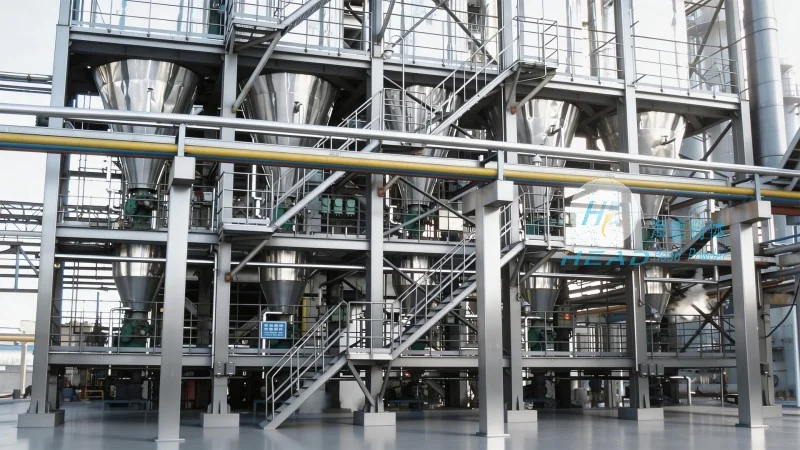
About Shandong HeadPowder Engineering Co., Ltd.
HeadPowder, a leading manufacturer in the field of powder handling equipment, specializes in developing and supplying advanced conveying systems tailored to the unique requirements of industrial applications. With a focus on innovation and quality, the company has established itself as a trusted partner for businesses seeking efficient and durable solutions for handling iron turnings and other fine powders. HeadPowder’s products are engineered to meet stringent industry standards, ensuring long-term performance and minimal maintenance.
Structure and Working Principle of the Iron Turnings Powder Conveying System
The iron turnings powder conveying system typically consists of several key components that work in tandem to ensure smooth material transport. The primary components include a hopper for material storage, a feeder to control the flow rate, a conveyor mechanism (such as a screw conveyor or pneumatic system), and a control panel for operational management. The hopper is designed to hold a sufficient quantity of iron turnings, preventing material buildup and ensuring a steady supply to the feeder. The feeder, often a rotary valve or a vibratory feeder, regulates the amount of material entering the conveyor, maintaining consistent flow rates that are critical for preventing blockages and optimizing system efficiency.
The conveyor mechanism is the core of the system, responsible for transporting the iron turnings from the feeder to the discharge point. In many designs, a screw conveyor is used, which features a rotating helical screw that moves material along a tube or trough. This type of conveyor is ideal for handling fine powders like iron turnings because it provides gentle material handling, minimizing particle degradation and reducing the risk of clogging. Alternatively, pneumatic conveying systems may be employed, which use air pressure to transport the material through a pipeline. Pneumatic systems are particularly effective for long-distance transport and can handle larger volumes of material, though they require careful control of air pressure and flow to maintain efficiency.
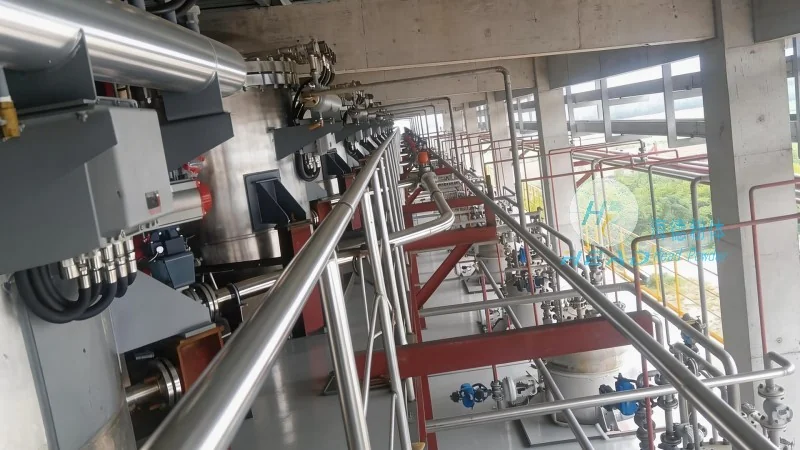
The control panel is an essential component that allows operators to monitor and adjust the system’s performance. It typically includes sensors to detect material levels in the hopper, flow rates from the feeder, and the status of the conveyor. These sensors provide real-time data, enabling operators to make immediate adjustments to maintain optimal operation. The control panel may also include safety features such as emergency stop buttons and overload protection, ensuring the system operates within safe parameters and preventing damage to equipment or injury to personnel.
Advantages of the Iron Turnings Powder Conveying System
Implementing an iron turnings powder conveying system offers several advantages for industrial operations. First, it enhances material handling efficiency by providing a continuous and controlled flow of iron turnings, reducing downtime caused by manual handling or material blockages. The system’s design minimizes the risk of dust accumulation, which is a common issue in iron turnings processing and can lead to safety hazards and equipment damage. By containing the material within the system, the conveyor helps maintain a clean and safe working environment, improving overall workplace safety.
Second, the system improves process consistency and product quality. The controlled flow rates and gentle material handling reduce the risk of particle degradation, ensuring that the iron turnings maintain their desired size and properties. This is particularly important in applications where the material is used for further processing, such as in the production of steel or other metal products. The consistent flow also allows for better integration with downstream equipment, such as mixers or classifiers, ensuring that the material is processed uniformly and efficiently.
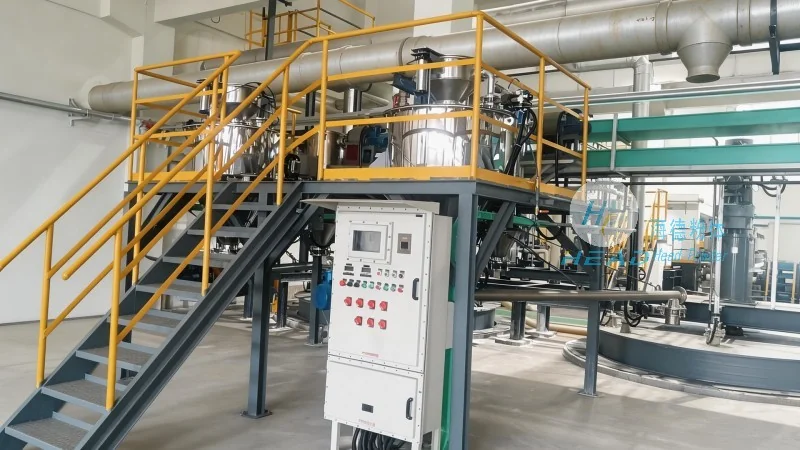
Third, the system reduces labor costs and improves operational safety. Manual handling of iron turnings can be hazardous due to the risk of dust inhalation and physical injury from moving parts. The automated conveying system eliminates the need for manual material transport, reducing the risk of accidents and lowering labor costs associated with manual labor. Additionally, the system’s design includes safety features such as enclosed conveyor sections and emergency stop mechanisms, further enhancing workplace safety.
Applications and Industries Served
The iron turnings powder conveying system is widely used in various industries that handle iron turnings and other fine powders. These include metal recycling facilities, steel manufacturing plants, foundries, and industrial waste processing centers. In metal recycling, the system is used to transport iron turnings from collection points to processing equipment, where they are melted or reprocessed into new steel products. In steel manufacturing, the system helps move iron turnings from storage to the production line, ensuring a steady supply of raw material. Foundries may use the system to transport iron turnings for use in casting processes, while industrial waste processing centers utilize it to handle and recycle iron turnings from various sources.
HeadPowder’s iron turnings powder conveying system is designed to be adaptable to different industrial needs, with customizable components that can be tailored to specific application requirements. The company’s engineers work closely with clients to understand their unique challenges and provide solutions that optimize material flow, reduce costs, and enhance safety. By leveraging advanced technology and a deep understanding of powder handling principles, HeadPowder delivers systems that meet the highest standards of performance and reliability.