

Introduction to Carbon Fiber Powder Handling Systems: Structure and Working Principles
Shandong HeadPowder Engineering Co., Ltd., branded as headpowder, is a professional manufacturer specializing in the design and production of powder handling equipment. With a focus on high-quality carbon fiber powder handling systems, the company has established itself as a key player in the industry, providing reliable solutions for material transportation and processing. Based in Shandong, China, headpowder leverages advanced technology and engineering expertise to meet the diverse needs of clients in various sectors.
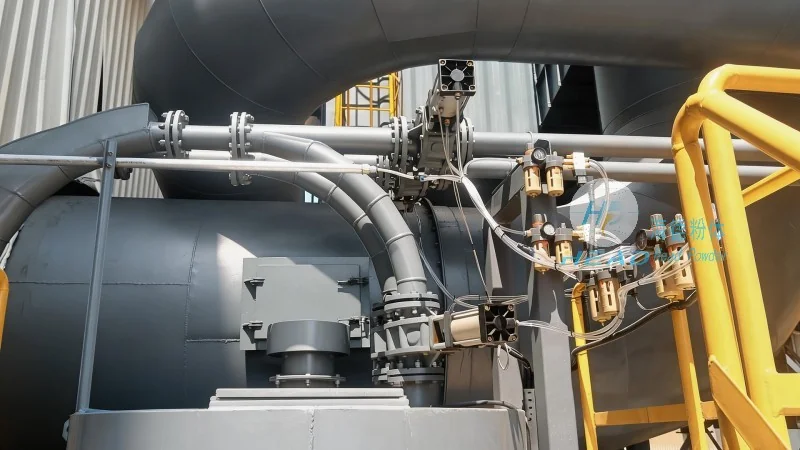
Carbon fiber powder handling systems are critical components in industrial applications where the efficient and safe transport of carbon fiber powders is essential. These systems are designed to handle the unique properties of carbon fiber powders, such as their high strength-to-weight ratio, electrical conductivity, and chemical resistance. The primary goal of such systems is to ensure consistent material flow, minimize dust generation, and maintain product integrity throughout the handling process. Understanding the structure and working principles of these systems is vital for optimizing performance and ensuring operational efficiency.
Overview of Carbon Fiber Powder Handling Systems
Carbon fiber powder handling systems typically consist of several key components that work in tandem to facilitate the movement of powders. These components include feeders, conveyors, storage vessels, and control systems. Each component plays a crucial role in the overall operation, ensuring that the powder is transferred from one point to another with minimal loss and maximum efficiency. The design of these systems is tailored to the specific characteristics of carbon fiber powders, which can be abrasive and difficult to handle due to their fine particle size and high density.
Structural Components and Their Functions
The structural design of a carbon fiber powder handling system is engineered to address the challenges associated with handling fine powders. Key structural components include:
1. Feeding Hoppers: These are designed to store and feed the carbon fiber powder into the system. The hopper's design, often with a conical or wedge-shaped bottom, helps in creating a controlled flow of material, preventing bridging and clogging. The material of the hopper is typically selected for its resistance to abrasion and chemical compatibility with carbon fiber powders.
2. Rotary Valves: Also known as star valves or rotary airlocks, these components are used to control the flow of powder from the hopper to the conveyor system. They act as a sealed gate, allowing the powder to pass through while maintaining an airtight seal to prevent dust emissions. The design of the rotary valve ensures that the powder is discharged in a controlled manner, reducing the risk of material degradation or loss.
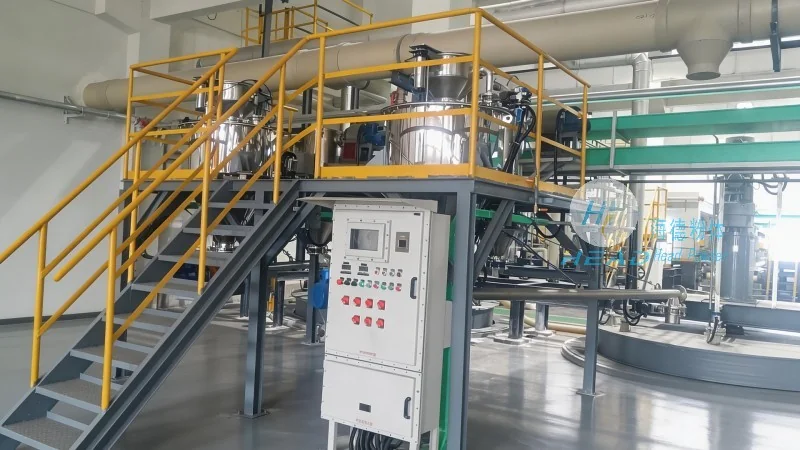
3. Pneumatic Conveying Systems: These systems use compressed air to transport carbon fiber powders through a network of pipes. The design of the conveying system is critical, as it must handle the high pressure and flow rates required for efficient powder transport. The system typically includes a blower, filter, and receiver tank to ensure that the powder is conveyed safely and without contamination.
4. Storage Silos: For applications requiring large volumes of carbon fiber powder, storage silos are used to store the material before it is transported to the processing area. The silos are designed with a sloped interior to prevent material buildup and ensure smooth discharge. They are often equipped with level indicators and pressure relief valves to monitor and control the storage conditions.
5. Control Panels: These systems are equipped with advanced control panels that allow operators to monitor and adjust the parameters of the powder handling process. The control panels typically include sensors for flow rate, pressure, and temperature, as well as alarms and safety features to prevent accidents and ensure compliance with industry standards.
Working Principles of the System
The operation of a carbon fiber powder handling system follows a systematic process that ensures the efficient transfer of material. The process begins with the loading of carbon fiber powder into the feeding hopper. The powder is then discharged from the hopper into a rotary valve, which controls the flow rate and prevents backflow. The powder is then conveyed through the pneumatic system using compressed air, which is supplied by a blower. The air and powder mixture travels through the pipes to the receiving end, where the powder is separated from the air using a filter or cyclone separator. The filtered powder is then collected in a storage silo or directly fed into the processing equipment.
The entire process is controlled by the system's control panel, which monitors the flow rate, pressure, and temperature of the system. The control panel adjusts the blower speed and valve positions to maintain optimal operating conditions. Safety features, such as pressure relief valves and dust collection systems, are integrated into the design to ensure that the system operates safely and complies with environmental regulations.
Benefits and Applications
Carbon fiber powder handling systems offer several benefits that make them ideal for industrial applications. These benefits include:
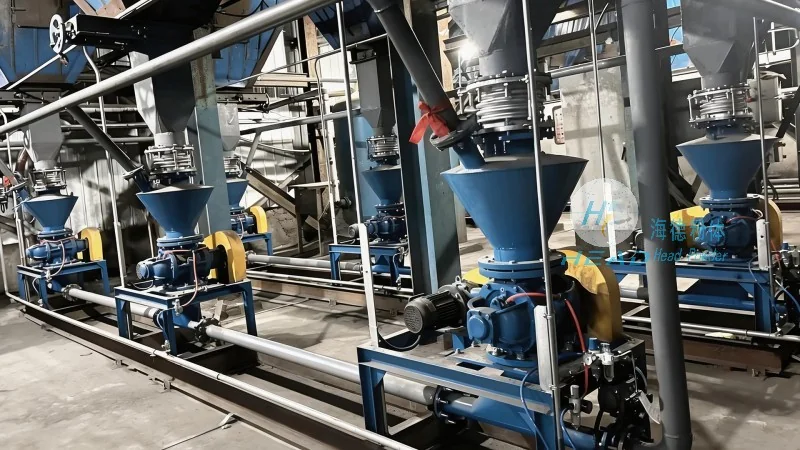
1. Efficient Material Transport: The systems are designed to handle high volumes of carbon fiber powder with minimal energy consumption, ensuring cost-effective operation.
2. Minimal Dust Emissions: The use of sealed components and dust collection systems reduces the risk of dust exposure and environmental contamination.
3. Product Integrity: The design of the system minimizes material degradation and ensures that the carbon fiber powder remains in its original state, preserving its quality and properties.
4. Customization: The systems can be customized to meet the specific needs of different industries, such as aerospace, automotive, and sports equipment manufacturing.
These benefits make carbon fiber powder handling systems essential for industries that rely on carbon fiber materials for their high-performance applications. The systems are used in various processes, including mixing, compounding, and molding, where the consistent and reliable transport of carbon fiber powders is critical to the final product quality.