

Activated Carbon Powder Conveying Systems: An Overview of Structure and Working Principles
For industrial applications involving activated carbon powder, efficient and reliable conveying systems are crucial. This article provides an overview of the structure and working principles of activated carbon powder conveying systems, highlighting key components and operational mechanisms that ensure smooth material handling. The systems are designed to handle the unique properties of activated carbon, such as its fine particle size and potential for dust generation, while maintaining high levels of performance and safety.
Key Components of the Conveying System
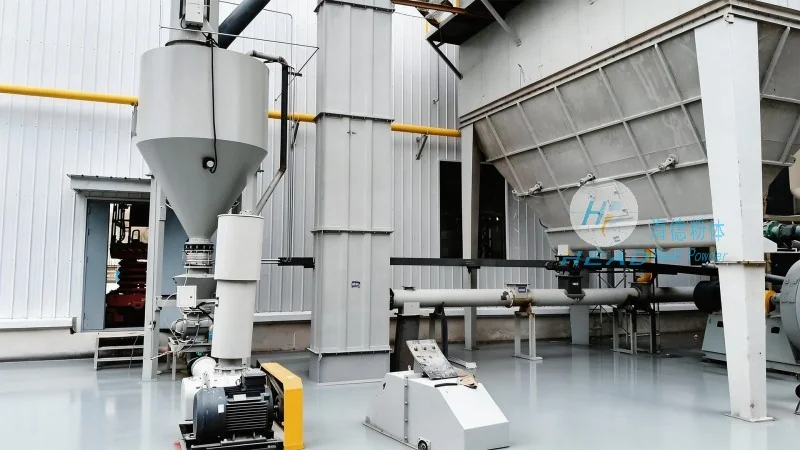
The activated carbon powder conveying system typically consists of several critical components that work in tandem to transport the material from the source to the destination. These components include a hopper or feeder for material storage and feeding, a conveyor mechanism (such as a screw conveyor, pneumatic conveyor, or belt conveyor), and control systems for regulating the flow and speed. The hopper is designed to minimize material bridging and ensure consistent feeding, while the conveyor mechanism provides the necessary force to move the powder through the system. Control systems, often integrated with sensors, monitor the flow rate, pressure, and other parameters to maintain optimal operation.
Working Principles of the Conveying Mechanism
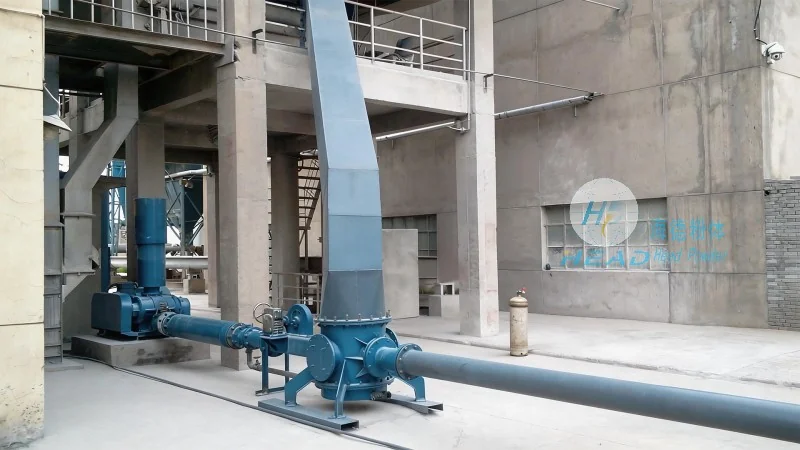
The working principle of the activated carbon powder conveying system varies depending on the type of conveyor used. For example, a screw conveyor operates by rotating a screw within a tube, pushing the powder forward through the system. This method is suitable for low to medium flow rates and is effective in preventing material segregation. Pneumatic conveying systems, on the other hand, use compressed air to transport the powder through a pipeline. This approach is ideal for high-volume applications and can handle longer distances with minimal pressure loss. The choice of mechanism depends on factors such as the particle size distribution, moisture content, and required throughput of the activated carbon powder.
Structural Design Considerations
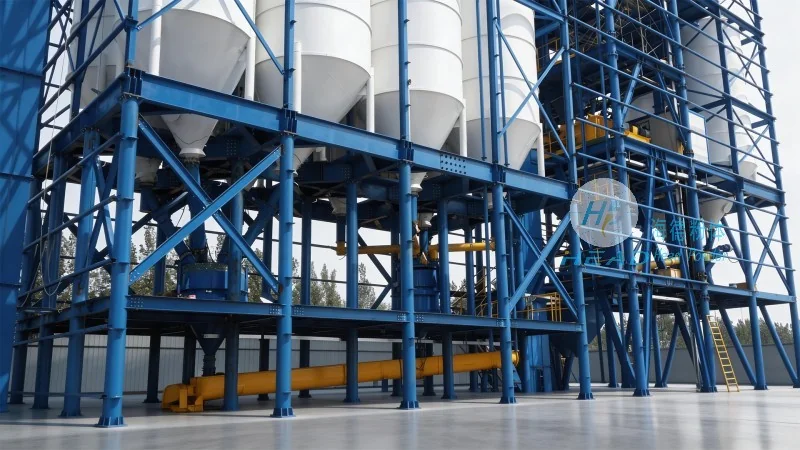
The structural design of the activated carbon powder conveying system is tailored to address the challenges posed by the material. For instance, the system may incorporate dust collection and filtration systems to prevent airborne particles from escaping into the environment. Additionally, the components are often made of materials resistant to corrosion and abrasion, as activated carbon can be abrasive and may contain acidic or basic compounds. The design also considers the need for easy maintenance and cleaning, as the system may need to be periodically flushed to remove accumulated powder. The overall structure is engineered to ensure durability, efficiency, and compliance with industrial safety standards.
Applications and Performance
Activated carbon powder conveying systems are widely used in various industries, including water treatment, air purification, and chemical processing. The systems are designed to deliver consistent performance under different operating conditions, ensuring that the activated carbon is transported without degradation or loss of quality. Performance metrics such as flow rate, pressure drop, and material handling capacity are carefully optimized to meet the specific requirements of each application. The systems are also equipped with safety features, such as emergency shut-off valves and pressure relief devices, to prevent accidents and protect personnel and equipment.
Conclusion
In summary, the activated carbon powder conveying system is a sophisticated piece of equipment that combines advanced engineering with practical design to handle the unique challenges of transporting activated carbon powder. By understanding the key components, working principles, and structural considerations, users can select and operate the system effectively, ensuring optimal performance and safety in industrial applications. The system's reliability and efficiency make it an essential component in industries that rely on activated carbon for filtration, adsorption, and other processes.