

Introduction to Positive and Negative Electrode Powder Conveying Systems: Structure and Working Prin
HeadPowder, a leading enterprise in the field of powder handling technology, specializes in the design and manufacturing of advanced conveying systems tailored for the battery material industry. This article provides an overview of the positive and negative electrode powder conveying systems, focusing on their structural design and operational principles.
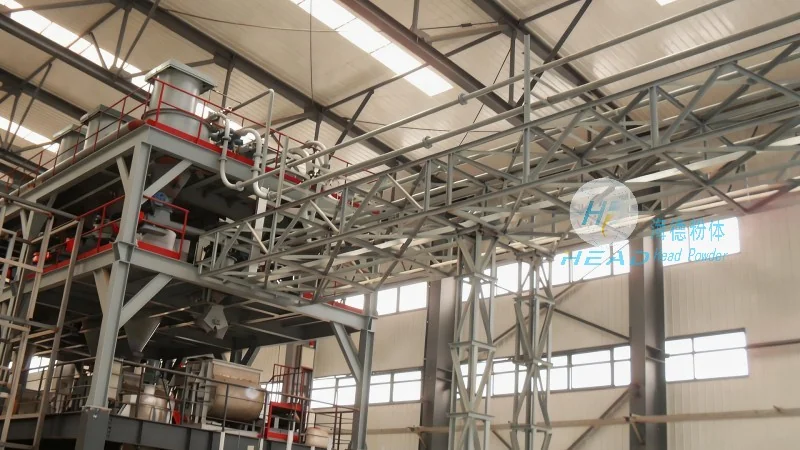
Overview of the Conveying System
The positive and negative electrode powder conveying system is a critical component in the production line of lithium-ion batteries. It is responsible for the efficient and safe transportation of raw materials such as cathode and anode powders from storage to processing equipment. The system is engineered to meet the stringent requirements of the battery manufacturing industry, ensuring high throughput, minimal material loss, and consistent quality control.
Structural Components and Design
The system typically consists of several key components, each playing a vital role in the overall operation. The main parts include a hopper for material storage, a feeder to control the flow rate, a conveying mechanism (such as a screw conveyor or pneumatic system), and a control system for monitoring and adjusting the process. The design emphasizes durability and compatibility with the specific properties of battery materials, including their fine particle size and potential reactivity.
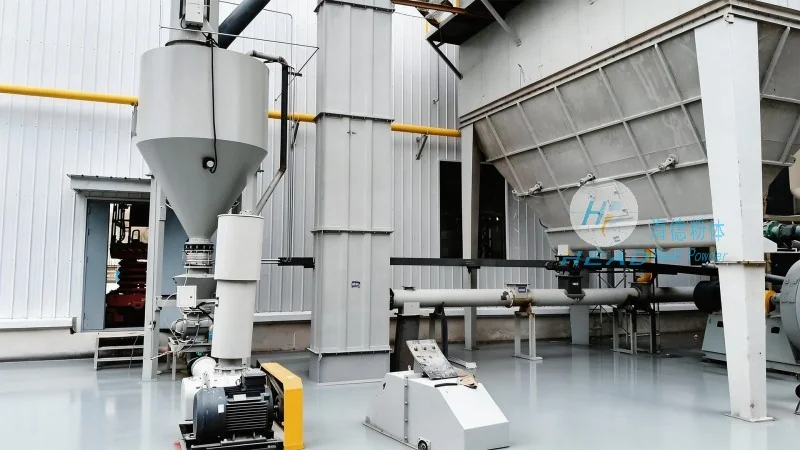
Working Principle of the Conveying Process
The operation of the positive and negative electrode powder conveying system follows a systematic sequence. Initially, the raw powder is fed into the hopper from a storage silo. The feeder then regulates the discharge rate, ensuring a steady flow into the conveying mechanism. Depending on the system configuration, the powder may be transported via mechanical means (e.g., screw conveyors) or pneumatic methods (e.g., air slides or pressure vessels). The conveying mechanism moves the powder through the system, delivering it to the next stage of the production process, such as mixing or coating equipment. The control system continuously monitors parameters like flow rate, pressure, and temperature, allowing for real-time adjustments to maintain optimal performance and prevent issues like blockages or material degradation.
Key Features and Advantages
HeadPowder's conveying systems are equipped with several advanced features that enhance their performance and reliability. These include automated control systems for precise material handling, robust construction to withstand the abrasive nature of battery powders, and integration capabilities with existing production lines. The systems are designed to minimize dust generation and ensure environmental compliance, addressing the safety and regulatory requirements of the industry. Additionally, the modular design allows for easy maintenance and scalability, enabling manufacturers to adapt the system as their production needs evolve.
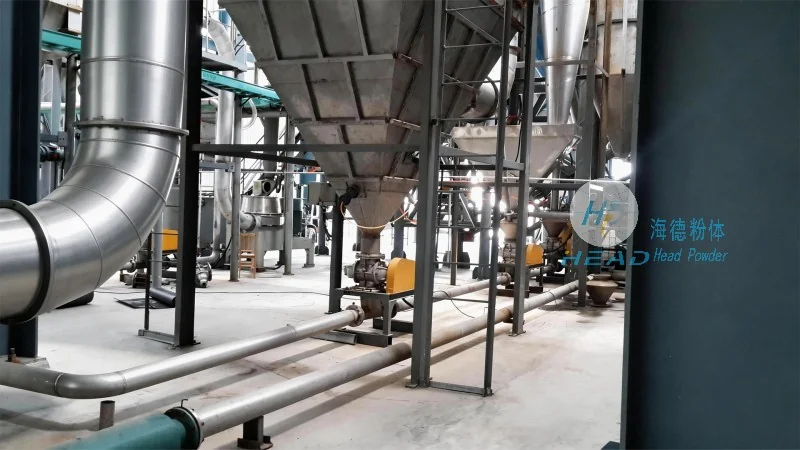
Application in Battery Manufacturing
The positive and negative electrode powder conveying system is integral to the battery production process, particularly in the stages of material preparation and mixing. By efficiently transporting the cathode and anode powders, the system contributes to the overall productivity and quality of the final battery products. The consistent and controlled delivery of materials ensures uniform mixing and coating, which are critical factors in achieving the desired electrochemical performance of the batteries. HeadPowder's systems are widely adopted by battery manufacturers due to their reliability, efficiency, and ability to handle the specific challenges associated with battery material handling.
Conclusion
In summary, the positive and negative electrode powder conveying system is a sophisticated piece of equipment that plays a pivotal role in the battery manufacturing industry. With its robust structural design and advanced operational principles, it ensures the efficient and safe handling of critical materials. HeadPowder, as a reputable provider in this field, continues to innovate and improve its conveying systems to meet the evolving demands of the battery industry, supporting the production of high-quality lithium-ion batteries.