

Working Principle and Classification Application of Pneumatic Conveying for Lithium-Ion Battery Anod
HeadPowder, a leading provider in the field of material handling solutions, specializes in the development and application of pneumatic conveying systems tailored for lithium-ion battery anode materials. This article provides an in-depth exploration of the working principles, classification, and practical applications of such systems, highlighting the technical aspects and industry relevance.
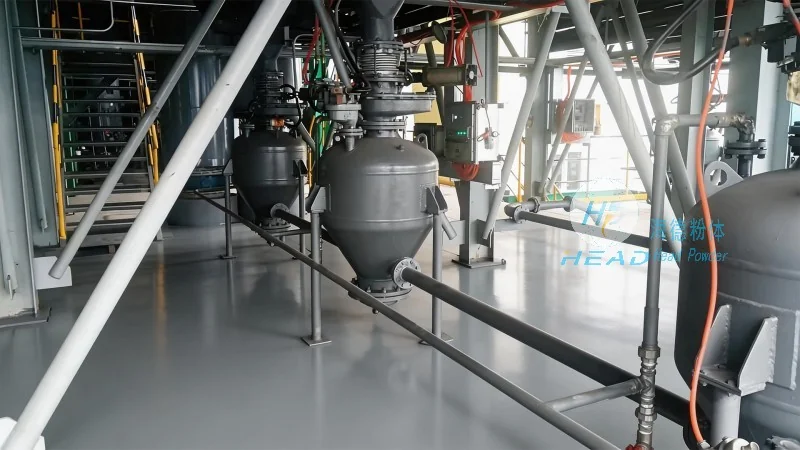
Company Overview
Shandong HeadPowder Engineering Co., Ltd., commonly known as HeadPowder, is headquartered in Shandong, China. The company focuses on engineering solutions for efficient material transport, particularly in the battery materials sector. With a commitment to innovation and precision, HeadPowder offers customized pneumatic conveying systems that meet the stringent requirements of lithium-ion battery production lines.
Working Principle of Pneumatic Conveying Systems
Pneumatic conveying systems utilize air or gas as the medium to transport bulk materials, such as lithium-ion battery anode powders, through a pipeline network. The core working principle involves generating a pressure differential between the conveying line and the ambient environment. This is typically achieved by using a blower or compressor to create a vacuum or positive pressure within the system. As the material is introduced into the conveying line, it is entrained by the moving air stream and transported to the destination point. The system can operate under either vacuum or pressure conditions, depending on the specific application and material characteristics.
Classification of Pneumatic Conveying Systems
Pneumatic conveying systems for lithium-ion battery anode materials are classified based on the pressure differentials and operational modes. The primary classifications include:
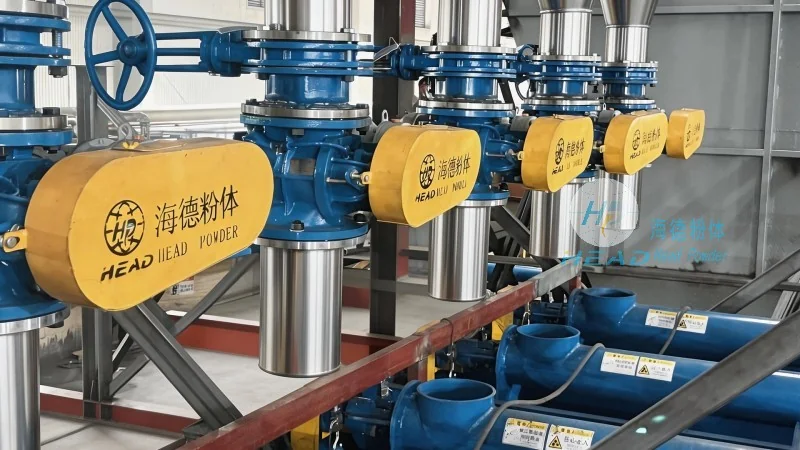
1. Vacuum Conveying Systems: These systems operate under negative pressure, drawing material from the source into the conveying line. They are ideal for applications requiring gentle material handling, minimizing particle degradation and dust generation. Vacuum systems are commonly used for short to medium-distance transport and for handling fine powders.
2. Pressure Conveying Systems: Operating under positive pressure, these systems push material through the pipeline. They are suitable for longer distances and can handle a wider range of material sizes and flow rates. Pressure systems are often preferred in industrial settings where high throughput is required.
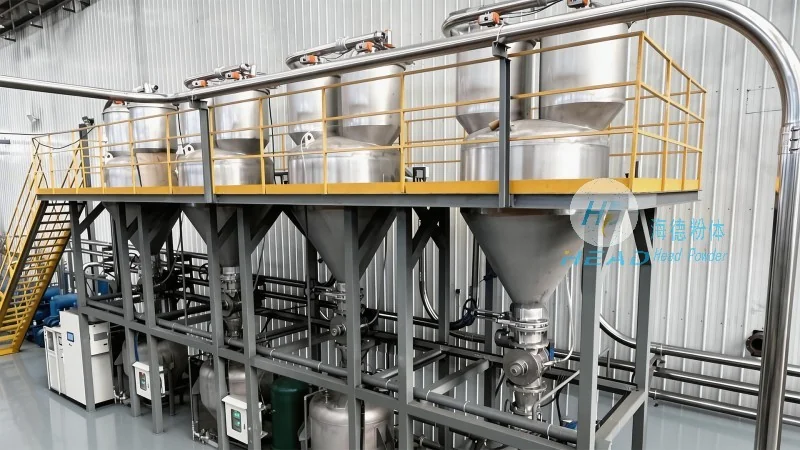
3. Combined Conveying Systems: A hybrid approach that combines elements of both vacuum and pressure systems. This classification is used for complex material handling scenarios, such as multi-stage transport or handling materials with varying particle sizes and moisture content.
Application Scenarios and Benefits
The application of pneumatic conveying systems in lithium-ion battery anode material processing offers several advantages. Firstly, these systems provide a dust-free and enclosed transport environment, which is crucial for maintaining material purity and reducing occupational health risks. Secondly, they enable precise control over material flow rates and particle distribution, ensuring consistent quality in the final battery products. Additionally, pneumatic conveying minimizes equipment wear and tear compared to mechanical systems, leading to lower maintenance costs and extended equipment lifespan.
Conclusion
For manufacturers of lithium-ion battery anode materials, the adoption of advanced pneumatic conveying systems is essential for optimizing production efficiency and product quality. Shandong HeadPowder Engineering Co., Ltd. leverages its expertise to design and implement customized solutions that align with the specific needs of battery production lines. By understanding the working principles and classification of these systems, industry stakeholders can make informed decisions to enhance operational performance and competitiveness.