

Principle and Classification of Vinyl Ester Resin Pneumatic Conveying
HeadPowder, a leading enterprise in the field of powder processing technology, specializes in the research, development, and application of advanced material handling solutions. Based in Shandong, China, the company has established itself as a key player in providing efficient and reliable pneumatic conveying systems for various industrial applications. This article aims to provide a comprehensive overview of the working principles and classification applications of vinyl ester resin pneumatic conveying systems, highlighting the technical aspects and practical implementations that make such systems effective in modern industrial settings.
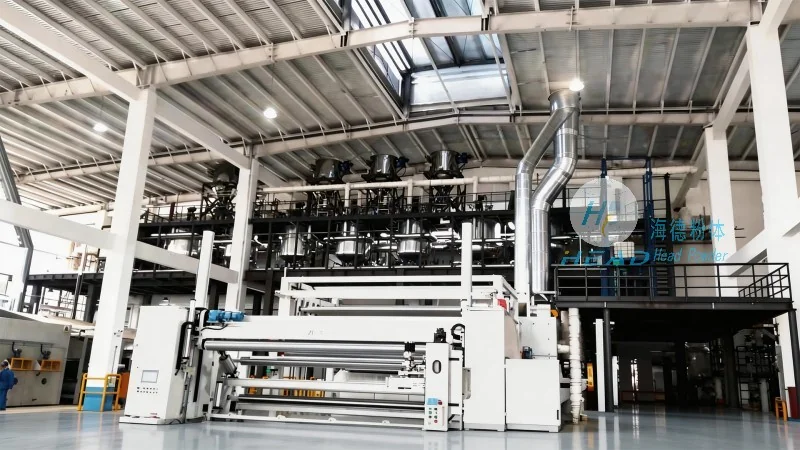
Understanding Vinyl Ester Resin and Its Significance in Pneumatic Conveying
Vinyl ester resin is a type of thermosetting polymer known for its excellent chemical resistance, high strength, and durability. It is widely used in industrial applications where materials require protection against aggressive chemicals, high temperatures, or mechanical stress. In pneumatic conveying systems, vinyl ester resin is often employed as a powder or granular material that needs to be transported from one location to another within a facility. The effectiveness of the conveying process depends on the proper design and operation of the system, which involves understanding the physical properties of the resin and the principles of fluid dynamics in pneumatic transport.
The Working Principle of Vinyl Ester Resin Pneumatic Conveying
Pneumatic conveying is a method of transporting bulk materials through a pipeline using a gas stream, typically air or other gases. The working principle of vinyl ester resin pneumatic conveying involves several key steps: material feeding, air injection, and transport through the pipeline. The process begins with the resin being fed into a hopper or feeder, where it is then introduced into the conveying line. Simultaneously, a high-velocity air stream is generated and introduced into the line, creating a flow that lifts and transports the resin particles. The air velocity must be sufficient to overcome the gravitational forces acting on the particles and to maintain a stable flow within the pipeline. The system typically includes components such as a blower, a filter, and a receiver, which work together to ensure efficient and clean transport of the resin.
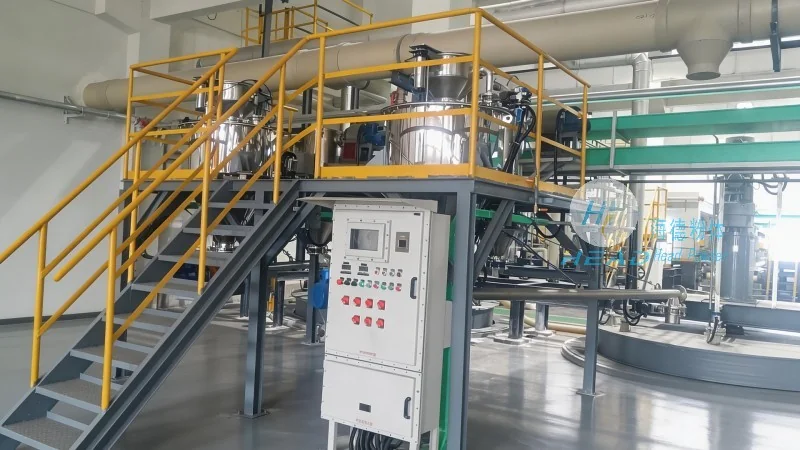
Classification of Pneumatic Conveying Systems for Vinyl Ester Resin
Pneumatic conveying systems for vinyl ester resin can be classified based on several factors, including the air flow direction, the pressure used, and the type of material being conveyed. The main classifications are pressure conveying, vacuum conveying, and mixed flow conveying. Pressure conveying systems operate at positive pressure, using a blower to push the air and material through the pipeline. This method is suitable for long-distance or high-capacity transport of non-abrasive materials like vinyl ester resin. Vacuum conveying systems, on the other hand, operate at negative pressure, using a vacuum pump to draw the material into the pipeline. This approach is ideal for short-distance or low-capacity applications where the material is light or has a low density. Mixed flow conveying systems combine elements of both pressure and vacuum conveying, using a combination of positive and negative pressure to optimize the transport of materials with varying properties. For vinyl ester resin, the choice of system classification depends on the specific application requirements, such as the distance between the feeding and receiving points, the material flow rate, and the environmental conditions.
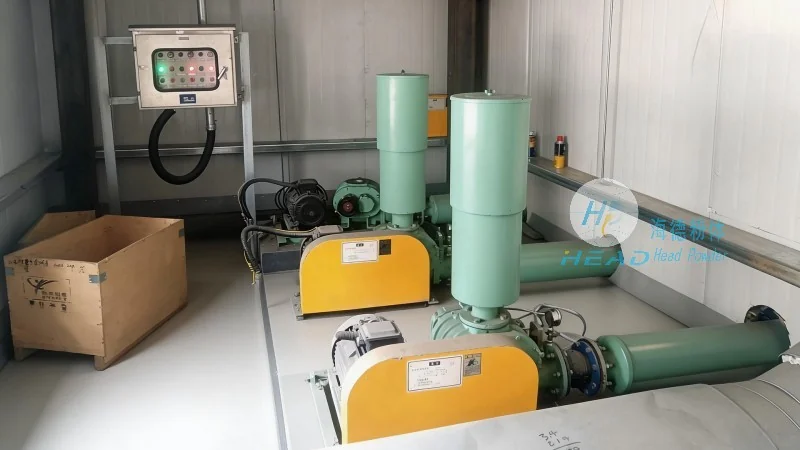
Key Components and Design Considerations for Vinyl Ester Resin Pneumatic Conveying Systems
The efficiency and reliability of a vinyl ester resin pneumatic conveying system depend on the proper selection and integration of key components. These components include the feeder, which controls the material flow rate and prevents blockages; the blower or vacuum pump, which provides the necessary air pressure or vacuum; the pipeline, which is typically made of materials resistant to the resin's chemical properties; and the filter and receiver, which collect the conveyed material and remove any air or dust particles. Design considerations also involve the selection of appropriate materials for the pipeline and components to ensure compatibility with the vinyl ester resin, as well as the optimization of air velocity and flow rate to minimize material degradation and system wear. Additionally, the system must be equipped with safety features such as pressure relief valves and dust collection systems to comply with industrial safety standards and prevent environmental contamination.
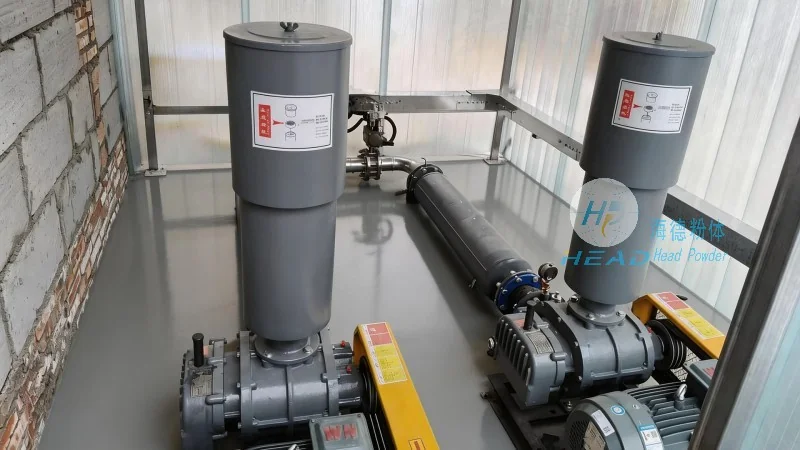
Applications of Vinyl Ester Resin Pneumatic Conveying in Industrial Settings
Vinyl ester resin pneumatic conveying systems are widely used in various industrial sectors, including chemical manufacturing, pharmaceuticals, and food processing. In chemical manufacturing, these systems are used to transport vinyl ester resin powders to reactors or storage tanks, ensuring a consistent and controlled supply of raw materials. In the pharmaceutical industry, the systems are employed to handle vinyl ester resin in a clean and sterile environment, maintaining the purity of the material and preventing contamination. In food processing, the systems are used to transport resin-based materials that are used in the production of food packaging or other food-related products, where hygiene and safety are paramount. The versatility of pneumatic conveying systems allows them to be adapted to different industrial needs, making them a preferred choice for transporting vinyl ester resin in a wide range of applications.
Advantages and Challenges of Vinyl Ester Resin Pneumatic Conveying
There are several advantages to using pneumatic conveying systems for vinyl ester resin. These include the ability to transport materials over long distances, the flexibility to handle different material types and flow rates, and the reduced risk of material contamination compared to other transport methods. Additionally, pneumatic conveying systems can be integrated with other processing equipment, such as mixers or reactors, to create a continuous production line. However, there are also challenges associated with the technology, including the potential for material degradation due to high air velocities, the need for regular maintenance of components like filters and blowers, and the higher energy consumption compared to other transport methods. To overcome these challenges, manufacturers and operators must carefully design and operate the system, ensuring that the air velocity and flow rate are optimized for the specific material and application.