

Principles and Classification Applications of Pneumatic Conveying for Positive and Negative Electrod
Shandong HeadPowder Engineering Co., Ltd., commonly known as headpowder, specializes in advanced material handling solutions, particularly pneumatic conveying systems tailored for the processing of positive and negative electrode materials used in lithium-ion batteries. This article provides an in-depth exploration of the working principles and various classification applications of pneumatic conveying in this specialized field.
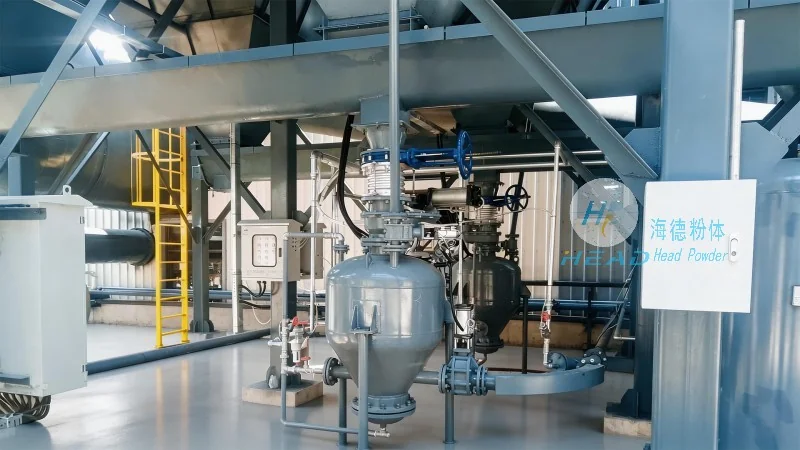
Working Principles of Pneumatic Conveying for Electrode Materials
Pneumatic conveying is a method of transporting bulk materials through a pipeline using a gas stream, typically air or other gases. In the context of positive and negative electrode materials, the system operates by creating a pressure differential or using suction to move powders from a source to a destination. The core components include a hopper, a conveyor line, a control system, and a dust collection unit. The process begins with the material being fed into the hopper, where it is then drawn into the conveyor line by the moving air stream. This method ensures a continuous, dust-free transfer of fine powders, which is critical for maintaining material quality and preventing contamination in battery manufacturing.
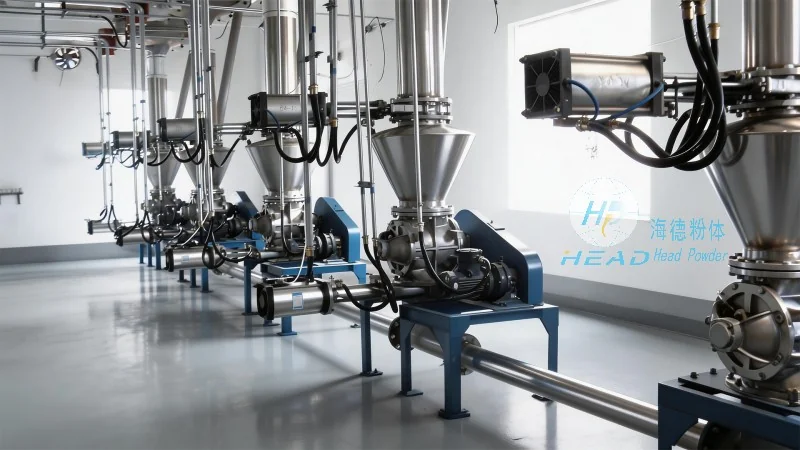
Classification Applications of Pneumatic Conveying Systems
Pneumatic conveying systems for electrode materials are broadly classified into two main categories: pressure and vacuum systems. Pressure systems operate by forcing air into the pipeline, creating a positive pressure that pushes the material forward. These are suitable for long-distance and high-volume transport, often used in large-scale battery production facilities. Vacuum systems, on the other hand, use suction to draw material from the source, making them ideal for short-distance or when the material needs to be collected from multiple points. Additionally, there are hybrid systems that combine both pressure and vacuum capabilities, offering flexibility for complex material handling scenarios. Each classification is designed to address specific operational requirements, such as material properties, transport distance, and environmental constraints.
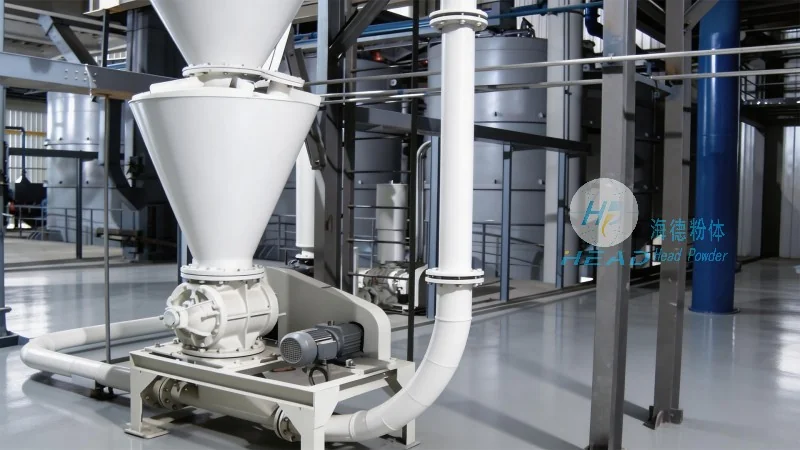
Key Advantages and Practical Applications
The application of pneumatic conveying in the processing of positive and negative electrode materials offers several key advantages. Firstly, it provides a dust-free and enclosed environment, which is essential for maintaining the purity of the materials and ensuring compliance with environmental regulations. Secondly, the system allows for precise control over material flow rates, enabling manufacturers to optimize production efficiency and reduce waste. Thirdly, the technology is highly adaptable, with options for different pipeline configurations and material handling speeds. In practical applications, these systems are used in the transfer of raw materials like graphite, nickel, and lithium compounds from storage silos to mixing and coating lines. The ability to handle fine powders without agglomeration or degradation is particularly valuable in battery production, where material consistency directly impacts battery performance and lifespan.
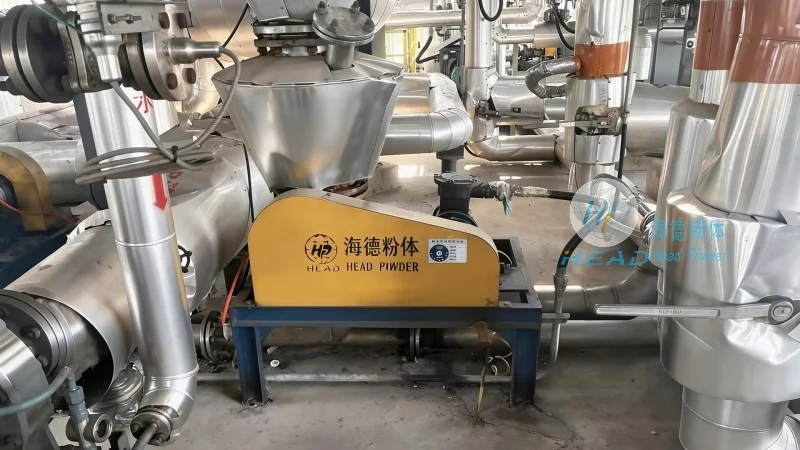
About Shandong HeadPowder Engineering Co., Ltd.
As a leading provider of material handling solutions, Shandong HeadPowder Engineering Co., Ltd. leverages its expertise in pneumatic conveying technology to support the growing demands of the battery industry. With a focus on innovation and customer-centric solutions, the company offers customized systems that meet the specific needs of clients, from small-scale research and development to large-scale industrial production. Headpowder's commitment to quality and reliability ensures that its pneumatic conveying systems deliver consistent performance and contribute to the overall efficiency of electrode material processing. Based in Shandong, China, the company serves a global market, providing advanced engineering solutions that enhance productivity and sustainability in battery manufacturing.