

Working Principle and Classification Applications of Air-Driven Light Calcium Carbonate Transport
Light calcium carbonate (LCC) is a widely used industrial material, and its efficient transportation is crucial for various production processes. Air-driven transport, or pneumatic conveying, offers a reliable method for moving LCC from storage to processing units. This article provides an overview of the working principles and classification applications of air-driven light calcium carbonate transport, highlighting the key aspects of this technology.
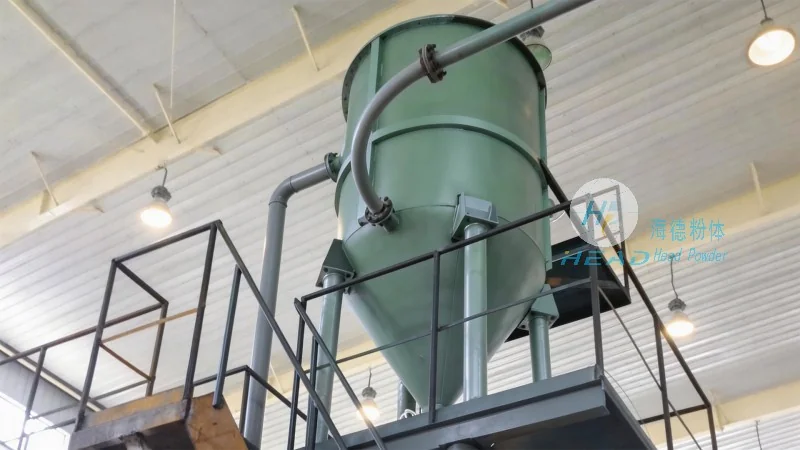
Working Principle of Air-Driven Light Calcium Carbonate Transport
The core of air-driven light calcium carbonate transport lies in the use of air as the conveying medium. The process typically involves a hopper or storage silo where the LCC is stored. A fan or blower generates a flow of air, which is directed into the conveying line. The LCC is then introduced into the air stream, and the combination of air velocity and particle size allows the material to be transported through the pipeline. The system may include components such as a feeder, a filter, and a receiver to ensure efficient and clean operation. The working principle is based on the balance between the air flow rate and the material's properties, such as particle size, density, and moisture content. Proper design of the conveying system is essential to prevent issues like blockages or material degradation.
Classification of Air-Driven Light Calcium Carbonate Transport Systems
There are two main classifications of pneumatic conveying systems for light calcium carbonate: suction (or negative pressure) systems and pressure (or positive pressure) systems. Each type has distinct characteristics and applications.
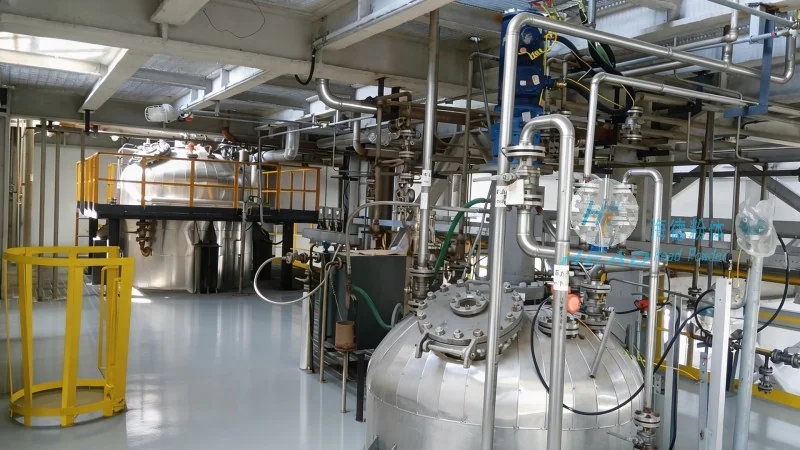
Suction systems operate by creating a negative pressure in the conveying line, drawing the LCC from the source and transporting it to the destination. These systems are often used for short to medium distances and are suitable for materials that are not too abrasive or sticky. The main advantage of suction systems is their ability to handle large volumes of material with relatively low energy consumption. However, they may have limitations in terms of distance and material properties, as high air velocities are required to maintain flow.
Pressure systems, on the other hand, use positive pressure to push the LCC through the pipeline. The material is fed into the conveying line under pressure, and the air is introduced at the discharge end to assist in the movement. Pressure systems are generally more suitable for longer distances and can handle a wider range of materials, including those with higher moisture content or larger particle sizes. They are also less prone to blockages compared to suction systems. The choice between suction and pressure systems depends on factors such as the distance between the source and destination, the material's characteristics, and the required flow rate.
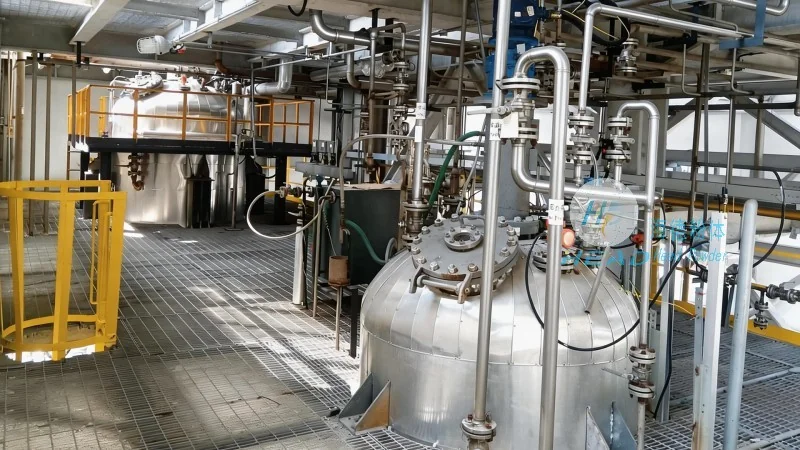
Application Scenarios of Air-Driven Light Calcium Carbonate Transport
Air-driven light calcium carbonate transport is widely used in various industries, including plastics, paper, and coatings. In the plastics industry, LCC is often used as a filler to improve the mechanical properties and reduce costs of plastic products. The pneumatic conveying system ensures that the LCC is delivered to the mixing and extrusion units efficiently and consistently. In the paper industry, LCC is used as a filler to enhance the paper's brightness and strength. The transport system must maintain the material's quality, as any contamination or moisture can affect the final product. In the coatings industry, LCC is used as a pigment or filler to improve the coating's performance. The system must ensure that the LCC is delivered in a fine and uniform form to achieve the desired coating properties.
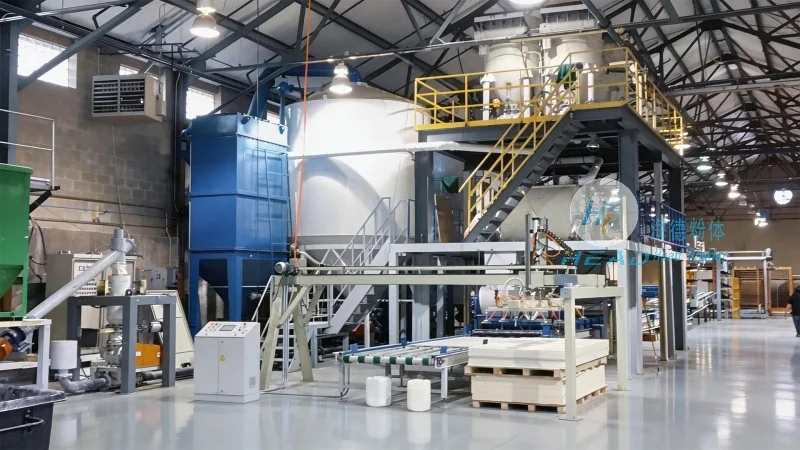
Key Factors Affecting Air-Driven Light Calcium Carbonate Transport Efficiency
The efficiency of air-driven light calcium carbonate transport is influenced by several factors. The particle size and density of the LCC are critical, as they affect the air velocity required for conveying. Smaller particles may require higher air velocities to maintain flow, while larger particles may need lower velocities. The moisture content of the material also plays a role, as excess moisture can lead to blockages or material degradation. The design of the conveying line, including the pipe diameter and length, is another important factor. Proper sizing of the pipes and the use of appropriate fittings can minimize pressure losses and ensure smooth operation. The selection of the fan or blower is also crucial, as it must provide sufficient air flow and pressure to meet the system's requirements. Regular maintenance of the system, including cleaning of filters and checking for wear and tear, is essential to maintain efficiency and prevent downtime.
About Shandong HeadPowder Engineering Co., Ltd.
Shandong HeadPowder Engineering Co., Ltd., operating under the brand name headpowder, is a leading provider of air-driven light calcium carbonate transport solutions. With a focus on innovation and quality, the company offers a range of conveying systems tailored to the specific needs of its clients. The company's expertise lies in the design, manufacturing, and installation of pneumatic conveying equipment, ensuring reliable and efficient transport of light calcium carbonate. Headpowder's commitment to customer satisfaction and technical excellence has made it a trusted partner in the industry. The company's facilities are located in Shandong, China, where it continues to develop and improve its products to meet the evolving demands of the market.