

Working Principle and Classification Application of Flexible Coke Powder Pneumatic Conveying
Flexible coke powder pneumatic conveying is a key technology in material handling, particularly for transporting fine powders like coke powder efficiently and reliably. This article provides an overview of its working principles, classification, and practical applications, highlighting the expertise of Shandong HeadPowder Engineering Co., Ltd. from China.
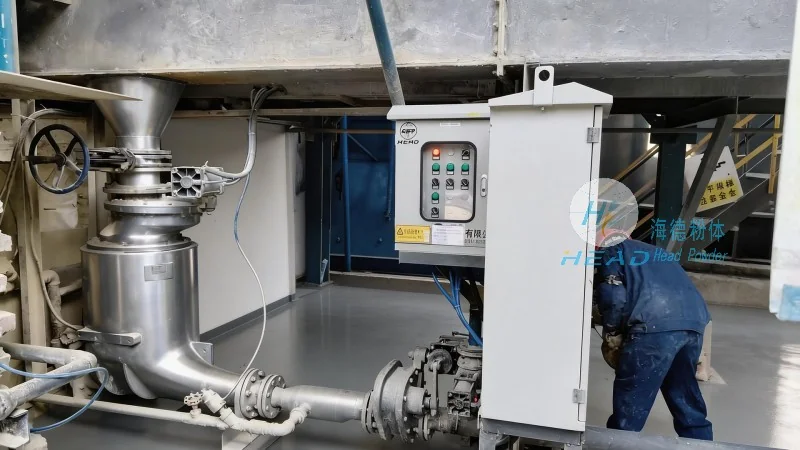
Introduction to Flexible Coke Powder Pneumatic Conveying
Shandong HeadPowder Engineering Co., Ltd., based in China, specializes in advanced material handling solutions. The company's focus on flexible coke powder pneumatic conveying systems addresses the challenges of transporting fine coke powders, which are widely used in industrial processes such as steel production and chemical manufacturing. This technology offers a cost-effective and efficient method to move coke powder from storage to processing units, ensuring minimal loss and contamination.
Working Principle of Flexible Coke Powder Pneumatic Conveying
The core principle of flexible coke powder pneumatic conveying involves using compressed air to transport the powder through a network of pipes. The system typically consists of a feeding device, a conveying line, and a discharge unit. As compressed air is introduced into the pipe, it creates a flow that lifts and propels the coke powder particles. The flexibility of the conveying line, often made from durable materials like rubber or plastic, allows for easy installation in complex layouts, adapting to the spatial constraints of industrial facilities. The pressure and flow rate of the air are carefully controlled to maintain optimal conveying efficiency and prevent particle degradation or blockages. For instance, the feeding device may use a rotary valve or a screw feeder to ensure a consistent flow of coke powder into the conveying line. The discharge unit, such as a rotary valve or a cyclone separator, controls the release of the powder at the destination, preventing backflow and ensuring precise dosing.
Classification of Pneumatic Conveying Systems for Coke Powder
Pneumatic conveying systems for coke powder can be classified into several types based on the conveying method and pressure used. The primary classifications include:
1. Dilute Phase Conveying: This method uses low-pressure air to transport the powder in a dispersed state. It is suitable for short to medium distances and low to medium powder flow rates. The system operates with a relatively low air-to-powder ratio, making it energy-efficient for certain applications. For example, in small-scale chemical plants, dilute phase conveying is used to move coke powder over distances of up to 50 meters, handling flow rates of up to 10 tons per hour.
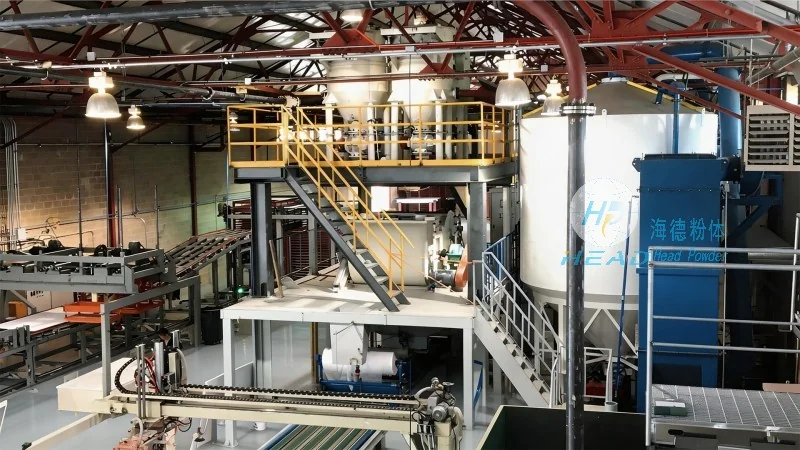
2. Dense Phase Conveying: In this classification, the powder is conveyed in a more concentrated form, often with higher air pressure and lower flow rates. Dense phase systems are ideal for longer distances and higher flow rates, as they minimize particle degradation and reduce the risk of blockages. The higher pressure ensures that the powder moves in a more controlled manner, maintaining product quality. For instance, in steel plants, dense phase conveying is used to transport coke powder over distances of several hundred meters, ensuring a steady supply to the blast furnace without any interruptions.
3. Pressure and Vacuum Conveying: These systems utilize either positive pressure (pressure conveying) or negative pressure (vacuum conveying) to move the coke powder. Pressure conveying is commonly used for short to medium horizontal and vertical distances, while vacuum conveying is preferred for longer horizontal runs or when the material needs to be drawn from a lower elevation. The choice between pressure and vacuum depends on the specific application requirements, including the distance, elevation changes, and material characteristics. In power generation facilities, pressure conveying is used to deliver coke powder to the boiler over horizontal distances of up to 200 meters, while vacuum conveying is employed in chemical plants for long horizontal runs of over 500 meters.
Applications of Flexible Coke Powder Pneumatic Conveying
The versatility of flexible coke powder pneumatic conveying makes it applicable in various industrial sectors. Key applications include:
Industrial Steel Production: In steel plants, coke powder is a critical raw material used in blast furnaces. Flexible pneumatic conveying systems efficiently transport coke powder from storage silos to the furnace, ensuring a steady supply and reducing downtime. The system's ability to handle fine powders without segregation or loss is crucial for maintaining the quality of the steel production process. For example, in large-scale steel mills, the conveying system can handle up to 200 tons of coke powder per hour, with minimal material loss and consistent flow rates.
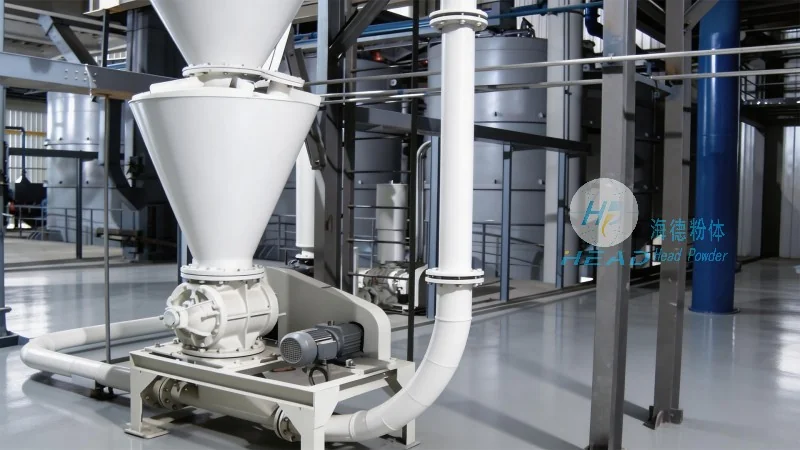
Chemical Manufacturing: Chemical plants often use coke powder as a raw material in the production of various chemicals, such as carbon black and other carbon-based compounds. The flexible conveying system allows for precise control over the powder flow, ensuring consistent quality in the final products. The system's design minimizes contamination and dust emissions, adhering to environmental regulations. For instance, in the production of carbon black, the coke powder is conveyed to a reactor where it undergoes thermal decomposition, and the flexible system ensures a uniform feed rate, leading to higher yields and better product consistency.
Power Generation: Coal-fired power plants may also utilize coke powder as a fuel supplement. The pneumatic conveying system efficiently delivers the powder to the boiler, optimizing combustion efficiency and reducing operational costs. The flexibility of the system enables easy integration with existing infrastructure, minimizing the need for major modifications. In power plants, the system can handle flow rates of up to 150 tons per hour, with the ability to adjust the feed rate based on boiler load requirements.
Advantages of Flexible Coke Powder Pneumatic Conveying
Implementing flexible coke powder pneumatic conveying offers several advantages over traditional methods like bucket elevators or belt conveyors. These benefits include:
Efficiency and Cost-Effectiveness: The system reduces labor costs by automating the material handling process. It also minimizes material loss and contamination, leading to lower operational expenses over time. The energy efficiency of pneumatic conveying, especially in dilute phase systems, makes it a cost-effective solution for long-term use. For example, a dilute phase system can achieve energy savings of up to 30% compared to traditional belt conveyors, resulting in significant cost reductions for large-scale operations.
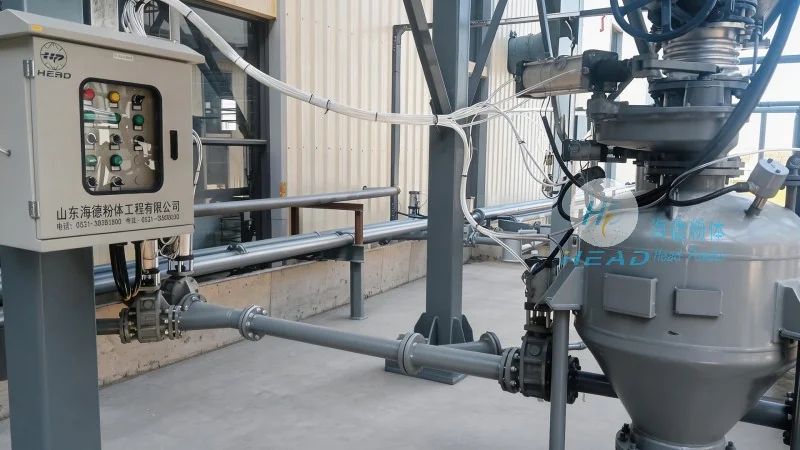
Flexibility and Adaptability: The flexible nature of the conveying line allows for easy installation in complex layouts, adapting to the spatial constraints of industrial facilities. This adaptability is particularly valuable in retrofitting existing plants or in new construction projects where space is limited. The system can be easily reconfigured to accommodate changes in production requirements, such as increased flow rates or altered storage locations.
Product Protection: Pneumatic conveying systems protect the coke powder from external factors such as moisture, dust, and contamination. The enclosed system ensures that the powder remains in a controlled environment, maintaining its quality and reducing the risk of degradation. This is especially important for fine powders that are sensitive to environmental changes. For instance, in chemical manufacturing, the system prevents moisture absorption by the coke powder, which could affect the quality of the final chemical products.
Reduced Maintenance: Compared to mechanical conveyors, pneumatic systems have fewer moving parts, resulting in lower maintenance requirements and longer service life. The simplicity of the design minimizes the risk of mechanical failures, ensuring consistent performance over time. The system typically requires routine checks of air pressure and filter maintenance, with minimal downtime for repairs.
Conclusion
Flexible coke powder pneumatic conveying is a sophisticated and efficient technology that addresses the challenges of transporting fine coke powders in industrial applications. Shandong HeadPowder Engineering Co., Ltd. from China specializes in providing tailored solutions that meet the specific needs of various industries, ensuring optimal performance and reliability. By understanding the working principles and classification of these systems, industries can leverage this technology to enhance productivity, reduce costs, and maintain product quality. The continued development and application of flexible pneumatic conveying systems will play a crucial role in the future of material handling in sectors that rely on coke powder as a key raw material. As industrial demands evolve, the adaptability and efficiency of flexible pneumatic conveying will remain a vital component in modern material handling strategies.