

Principles and Classification of Pneumatic Conveying for Calcium Carbide Dust Removal
Calcium carbide dust removal and its subsequent pneumatic conveying are critical processes in industrial applications, particularly in facilities that handle calcium carbide. The efficiency of these operations directly impacts operational safety, environmental compliance, and overall productivity. This article provides an in-depth look at the working principles and various classification applications of pneumatic conveying systems designed for calcium carbide dust, presented by Shandong HeadPowder Engineering Co., Ltd., a leading provider in this field based in Shandong, China.
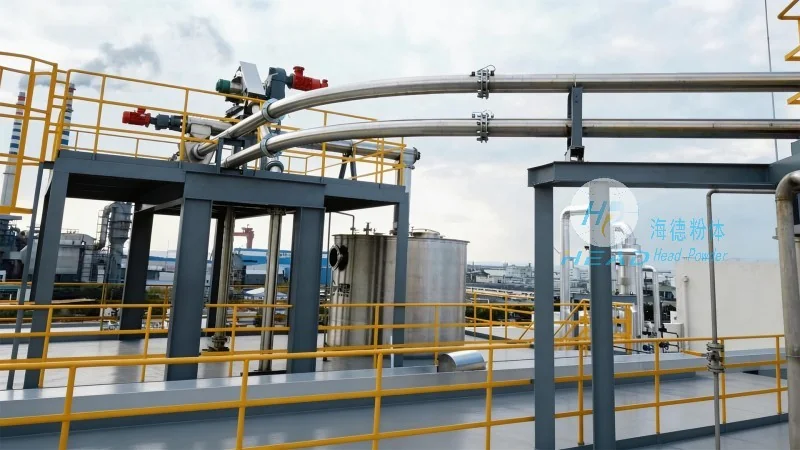
Understanding Pneumatic Conveying Systems for Calcium Carbide Dust
Pneumatic conveying is a method of transporting bulk materials, such as calcium carbide dust, through a pipeline using air or other gas as the conveying medium. The core principle involves creating a pressure differential within the system to move the material from the source to the destination. There are two primary types of pneumatic conveying systems: pressure and vacuum. Pressure systems operate by forcing air or gas under pressure into the material, while vacuum systems create a negative pressure to draw the material into the pipeline.
For calcium carbide dust, the choice of system depends on factors like the dust's properties, the distance to be conveyed, and the required flow rate. The material's particle size, moisture content, and abrasiveness are key considerations that influence the selection of the most suitable conveying method. Additionally, the system's design must account for the dust's potential reactivity and the need for explosion-proof measures, given the hazardous nature of calcium carbide dust under certain conditions.
Key Working Principles of Pneumatic Conveying
The fundamental working principle of pneumatic conveying for calcium carbide dust involves the interaction between the material particles and the conveying air. In a pressure system, the air is introduced at high pressure into the material hopper, causing the dust to be entrained and carried through the pipeline. The velocity of the air must be sufficient to overcome the gravitational and frictional forces acting on the particles, ensuring stable transport. In a vacuum system, the air is drawn from the pipeline, creating a suction that pulls the dust from the source to the collection point.
Another critical principle is the use of appropriate air velocity and pressure to maintain the material's suspension. If the air velocity is too low, the particles may settle, leading to blockages or uneven flow. Conversely, excessive velocity can cause wear on the pipeline and equipment, as well as increase energy consumption. Therefore, optimizing the air velocity and pressure is essential for efficient and reliable pneumatic conveying of calcium carbide dust.
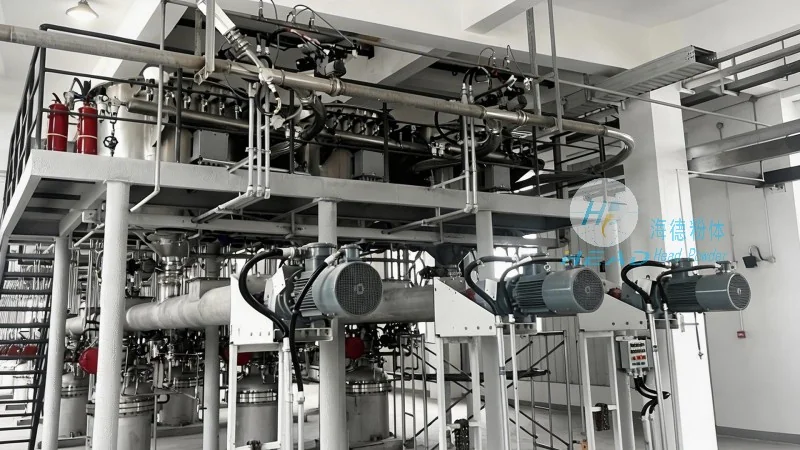
Classification of Pneumatic Conveying Applications
Pneumatic conveying systems for calcium carbide dust are classified based on their operational characteristics and the specific requirements of the application. The main classifications include dilute-phase, dense-phase, and hybrid systems.
Dilute-phase systems are commonly used for short to medium-distance conveying of fine calcium carbide dust. These systems operate at high air velocities, typically above 20 m/s, and use low pressure. The material is suspended in the air stream, allowing for continuous and high-capacity transport. However, they are less effective for handling larger particles or materials with high moisture content.
Dense-phase systems, on the other hand, are designed for longer distances or when the material needs to be transported gently to prevent degradation or damage. These systems operate at lower air velocities and higher pressure, often using a piston or plunger to push the material through the pipeline. The material is conveyed in a slurry-like state, with the air serving as a cushion to reduce impact and friction. This method is particularly suitable for calcium carbide dust that is sensitive to high velocities or has a tendency to agglomerate.
Hybrid systems combine elements of both dilute and dense-phase operations, offering flexibility in conveying different types of calcium carbide dust over varying distances. They can switch between high-velocity and low-velocity modes based on the material's characteristics and the required transport conditions. This adaptability makes hybrid systems a popular choice for industrial applications where diverse material handling needs are present.
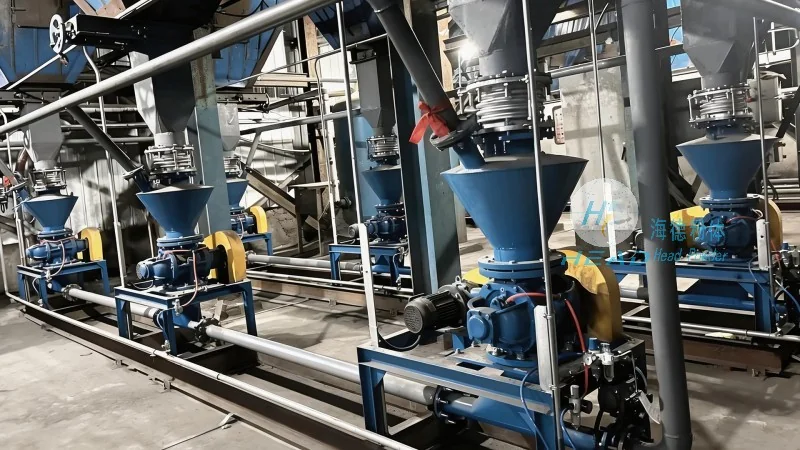
Application Scenarios and Practical Considerations
The application of pneumatic conveying for calcium carbide dust removal varies across different industrial sectors. In the chemical industry, these systems are used to transport dust from reactors or reactors to storage silos or processing units. In steel and metallurgical applications, they help in handling dust generated during the production of calcium carbide, ensuring that the material is recycled or disposed of safely.
Key practical considerations when implementing pneumatic conveying systems for calcium carbide dust include material handling efficiency, system reliability, and safety measures. The system must be designed to handle the dust's potential reactivity, such as the formation of acetylene gas when exposed to moisture, which requires explosion-proof components and proper ventilation. Additionally, the equipment must be constructed from materials resistant to corrosion and abrasion, given the dust's chemical and physical properties.
Energy efficiency is another important factor in the selection of pneumatic conveying systems. Optimizing the air pressure and velocity can reduce energy consumption while maintaining the required conveying capacity. Regular maintenance of the system, including cleaning of filters and checking for wear on components, is essential to ensure long-term operational performance and minimize downtime.
Conclusion
Pneumatic conveying systems play a vital role in the efficient and safe handling of calcium carbide dust. By understanding the working principles and classification applications, industrial facilities can select the most appropriate system to meet their specific needs. Shandong HeadPowder Engineering Co., Ltd. specializes in designing and manufacturing customized pneumatic conveying solutions tailored to the unique requirements of calcium carbide dust removal, ensuring optimal performance and compliance with industry standards.