

How to Prevent Pipeline Blockages in Pneumatic Conveying Systems for Flour Transport? Key Design Par
For businesses in the flour processing industry, maintaining efficient and reliable material handling is paramount. Pneumatic conveying systems have emerged as a preferred solution for transporting flour and other fine powders due to their ability to handle delicate materials without the need for mechanical components that can cause wear or contamination. However, a common challenge in these systems is the risk of pipeline blockages, which can lead to downtime, increased maintenance costs, and product loss. Understanding how to prevent such blockages through proper system design is crucial for ensuring smooth operations. This article explores effective strategies and key design parameters that contribute to the prevention of pipeline blockages in pneumatic conveying systems specifically for flour transport.
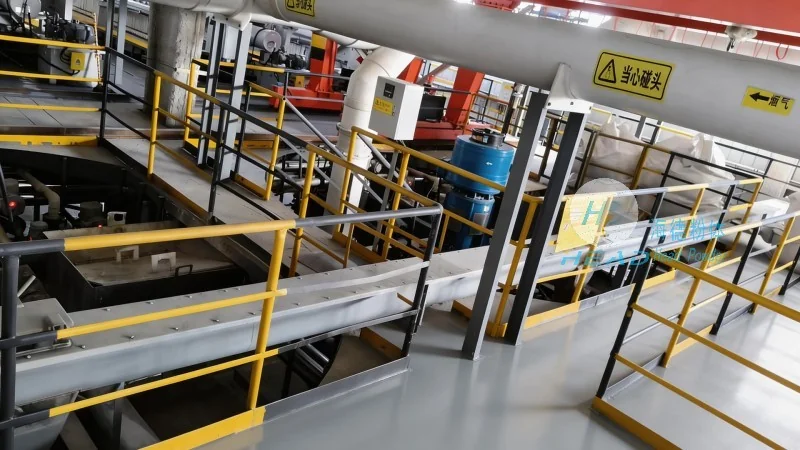
Understanding Pneumatic Conveying Systems for Flour
Pneumatic conveying systems utilize air or gas to transport bulk materials like flour through a network of pipes. These systems can be categorized into two main types: dilute-phase and dense-phase. Dilute-phase systems rely on high-velocity air to suspend the material, while dense-phase systems use lower air velocities to push the material in a plug-like flow. The choice of system type significantly impacts the risk of blockages and the overall efficiency of flour transport. For flour, which is a fine, cohesive powder, dilute-phase systems are often preferred as they allow for better control of material flow and reduce the likelihood of agglomeration that can lead to blockages.
Key Design Parameters for Preventing Pipeline Blockages
Several critical design parameters must be carefully considered when designing a pneumatic conveying system for flour to minimize the risk of pipeline blockages. These parameters include pipe diameter, air velocity, material characteristics, and system layout. Each of these factors plays a vital role in ensuring the smooth and continuous transport of flour.
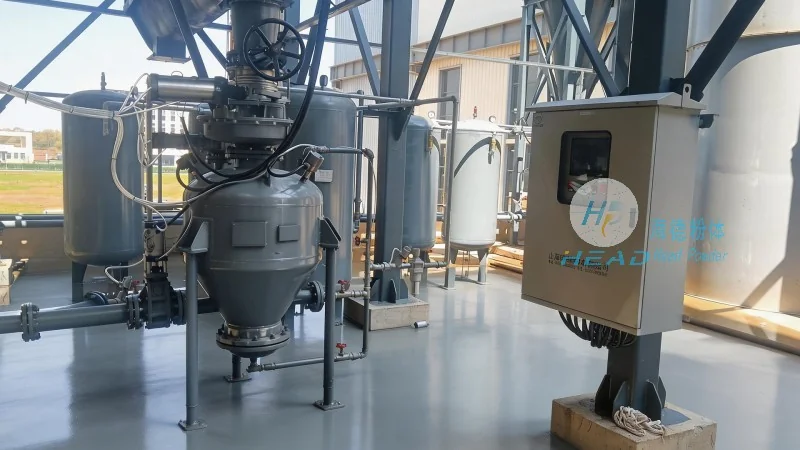
1. Pipe Diameter and Material Flow Rate
The diameter of the conveying pipe is one of the most significant factors influencing the risk of blockages. Larger pipe diameters generally reduce the risk of blockages as they allow for higher material flow rates without increasing air velocity excessively. However, excessively large pipes can increase system costs and energy consumption. A common rule of thumb is to select a pipe diameter that is at least 1.5 to 2 times the diameter of the largest particle in the flour mixture. This ensures that the material can flow freely without causing friction or abrasion that could lead to blockages. Additionally, the flow rate of the material should be matched to the pipe diameter to maintain a consistent velocity that prevents material settling or agglomeration.
2. Air Velocity and Pressure
Air velocity is another critical parameter that directly affects the risk of blockages. In dilute-phase systems, the air velocity must be high enough to suspend the flour particles but not so high that it causes excessive wear on the system components or leads to energy inefficiency. For flour, typical air velocities range from 20 to 30 meters per second. Maintaining this velocity ensures that the flour remains in a suspended state throughout the conveying process, reducing the likelihood of particles sticking to the pipe walls and forming blockages. The pressure within the system also plays a role, as higher pressures can help maintain the suspended state but may increase energy costs. Proper pressure control is essential to balance efficiency and blockage prevention.
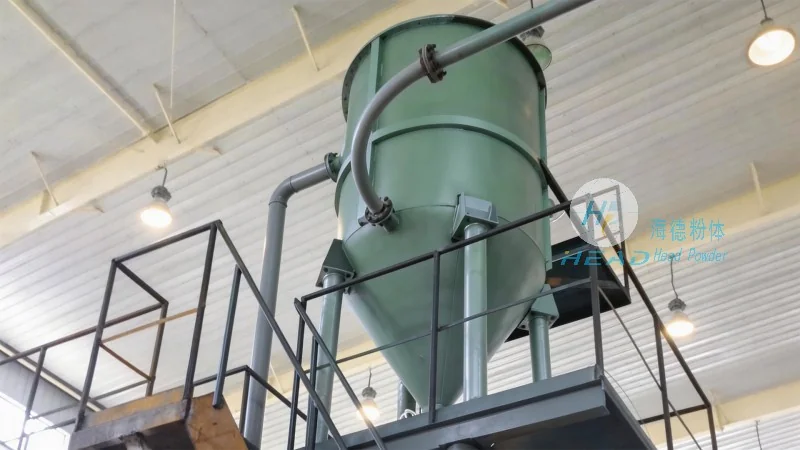
3. Material Characteristics and Moisture Content
The physical and chemical properties of the flour, such as particle size distribution, cohesion, and moisture content, are key factors in determining the risk of blockages. Flour with a high moisture content is more prone to clumping and agglomeration, which can lead to blockages. Therefore, it is important to ensure that the flour is properly dried before being fed into the pneumatic system. Additionally, the particle size distribution should be as uniform as possible to prevent larger particles from causing abrasion or clogging the pipe. Materials with high cohesion or stickiness require special attention, as they may need additional measures like anti-stick coatings or the use of additives to prevent blockages.
4. System Layout and Bends
The layout of the pneumatic conveying system, including the number and angle of bends, can significantly impact the risk of blockages. Sharp bends and turns can cause the flour particles to impact the pipe walls, leading to abrasion and potential blockages. To minimize this risk, system designers should use smooth, gradual bends with radii that are at least 5 times the pipe diameter. Additionally, the number of bends should be minimized, and the overall system length should be kept as short as possible to reduce the energy required for conveying and the likelihood of material settling. Properly designed system layouts can help maintain consistent flow and prevent the accumulation of material that could lead to blockages.
5. Filtration and Cleaning Systems
Even with proper design, some level of maintenance is required to prevent blockages. Installing effective filtration systems at the inlet and outlet of the conveying line can help remove debris and foreign materials that could cause clogs. Regular cleaning of the system, such as using air blasts or mechanical cleaning tools, is also essential to remove any accumulated material from the pipe walls. For flour systems, it is important to use filters that are compatible with the material to avoid contamination or clogging of the filter media. Regular maintenance schedules should be established to ensure that the filtration and cleaning systems are functioning correctly and to prevent the buildup of material that could lead to blockages.
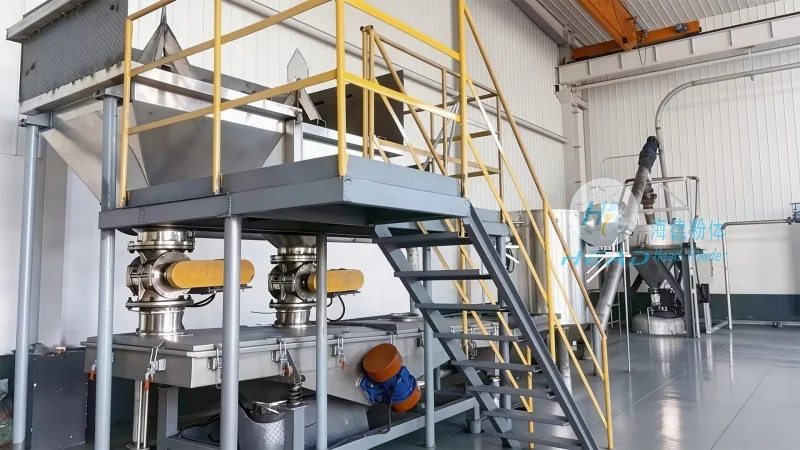
Case Study: HeadPowder Engineering's Pneumatic Conveying Solutions
Shandong HeadPowder Engineering Co., Ltd., a leading provider of pneumatic conveying systems, specializes in designing and manufacturing solutions tailored to the unique needs of the flour industry. With years of experience in the field, HeadPowder has developed a range of systems that incorporate the key design parameters discussed above to prevent pipeline blockages. Their systems are engineered to handle the specific characteristics of flour, including its fine particle size and potential for clumping. By carefully selecting pipe diameters, optimizing air velocities, and implementing effective filtration and cleaning systems, HeadPowder's solutions help clients maintain efficient and reliable flour transport. The company's commitment to quality and innovation has made it a trusted partner for businesses seeking to improve their material handling processes and minimize downtime caused by blockages.
Conclusion: Balancing Efficiency and Reliability
Preventing pipeline blockages in pneumatic conveying systems for flour transport requires a comprehensive approach that considers multiple design parameters. By focusing on pipe diameter, air velocity, material characteristics, system layout, and maintenance, system designers can create efficient and reliable systems that minimize the risk of blockages. For businesses in the flour industry, investing in properly designed pneumatic conveying systems is essential to maintain productivity and reduce operational costs. Companies like Shandong HeadPowder Engineering Co., Ltd. offer specialized solutions that incorporate these key parameters, helping clients achieve optimal performance and minimize downtime. By prioritizing proper system design and maintenance, flour processing facilities can ensure smooth and continuous operation, ultimately enhancing their overall efficiency and profitability.