

Preventing Pipeline Blockages in Pneumatic Conveying Systems for Iron Sand Transport: Key Design Par
When it comes to transporting iron sand, pneumatic conveying systems offer an efficient and reliable solution. However, a common challenge in such operations is the risk of pipeline blockages, which can disrupt the entire process and lead to costly downtime. Understanding how to prevent these blockages and the key design parameters that influence system performance is crucial for optimizing iron sand transport operations. This article explores effective strategies and essential design considerations to ensure smooth and uninterrupted iron sand transport using pneumatic conveying systems.
About HeadPowder Engineering
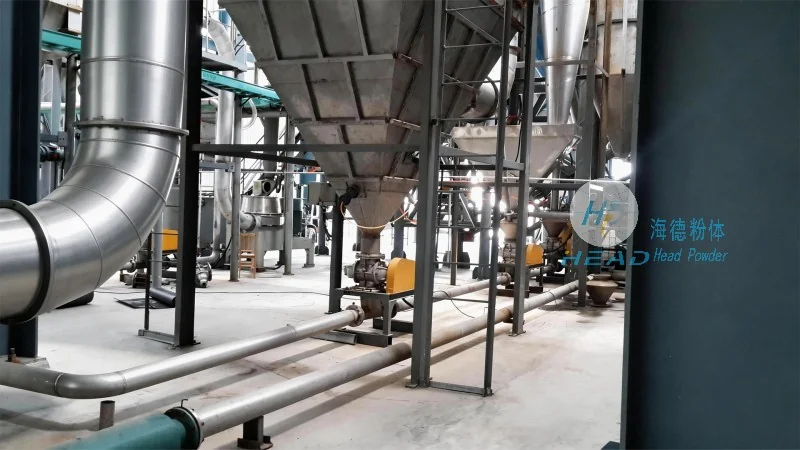
HeadPowder, a leading provider of pneumatic conveying solutions, specializes in designing and manufacturing systems tailored to the unique demands of iron sand transport. With years of experience in the industry, HeadPowder has developed advanced technologies and expertise to address the challenges associated with iron sand handling. The company’s commitment to quality and innovation ensures that their systems are built to withstand the demands of industrial applications, providing reliable performance and minimal maintenance requirements.
Key Strategies to Prevent Pipeline Blockages in Pneumatic Conveying Systems
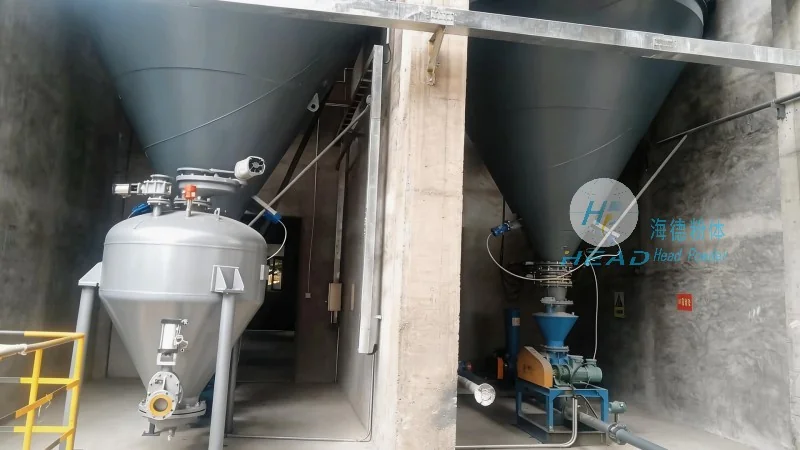
Preventing pipeline blockages in pneumatic conveying systems for iron sand transport involves a combination of proper system design, material handling considerations, and operational best practices. One of the primary factors contributing to blockages is the accumulation of iron sand particles in the pipeline, which can lead to clogs if not managed effectively. To mitigate this risk, several strategies can be implemented. First, ensuring proper air velocity and pressure within the system is critical. Maintaining adequate air velocity helps to keep the iron sand particles suspended and moving smoothly through the pipeline, reducing the likelihood of particle agglomeration and blockage formation. Additionally, using appropriate air distribution and flow control mechanisms can help to maintain consistent airflow, preventing uneven particle distribution that may lead to localized blockages.
Essential Design Parameters for Iron Sand Pneumatic Conveying Systems
The design of a pneumatic conveying system for iron sand transport involves several critical parameters that directly impact system performance and the prevention of blockages. These parameters include air velocity, pressure, system layout, and material characteristics. Air velocity is a fundamental parameter that determines the ability of the system to transport iron sand particles. For iron sand, the recommended air velocity typically ranges between 20 to 30 meters per second, depending on the particle size and density. Maintaining this velocity ensures that particles remain suspended and do not settle in the pipeline. Pressure levels in the system also play a crucial role, as higher pressures can improve the conveying capacity but may increase the risk of blockages if not properly controlled. System layout, including the number of bends, elbows, and horizontal and vertical sections, must be optimized to minimize friction losses and prevent particle accumulation. The characteristics of the iron sand itself, such as particle size distribution, moisture content, and density, must also be considered in the design process. Proper sizing of the pipeline and selection of appropriate materials for the system components are essential to ensure compatibility with the iron sand and to prevent corrosion or wear that could lead to blockages over time.
Operational Considerations for Smooth Iron Sand Transport
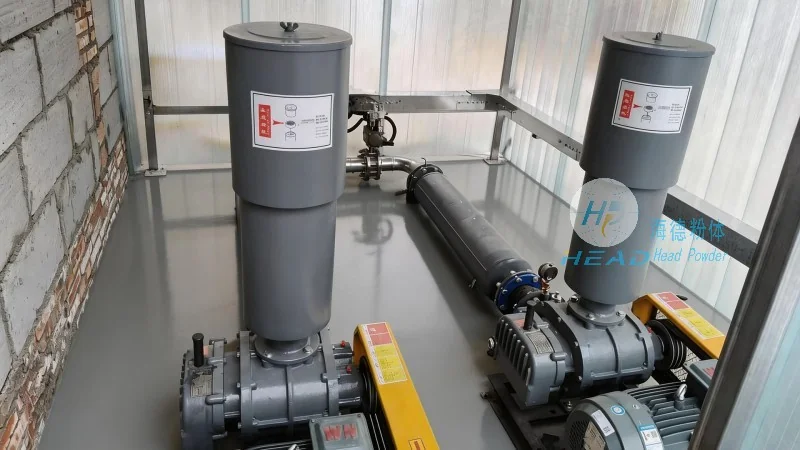
In addition to design parameters, proper operation and maintenance of the pneumatic conveying system are vital for preventing blockages and ensuring long-term performance. Regular monitoring of system pressure and air flow is essential to detect any deviations that may indicate the onset of blockages. Implementing a routine cleaning schedule for the pipeline and components can help to remove accumulated particles and prevent clogs. Additionally, training operators on the proper use of the system and the signs of potential blockages can improve overall system reliability. By adhering to these operational practices, iron sand transport operations can minimize downtime and maximize productivity.