

How to Prevent Pipeline Blockages in Pneumatic Conveying Systems for Slurry Transport? Key Design Pa
Slurry transport, especially in industrial applications involving fine particles and high moisture content, often relies on pneumatic conveying systems to move materials efficiently. However, one of the most significant challenges in such operations is the risk of pipeline blockages, which can halt production, increase maintenance costs, and lead to equipment damage. Understanding how to prevent these blockages through proper system design is crucial for ensuring smooth and reliable operation. This article explores effective strategies and key design parameters for preventing pipeline blockages in pneumatic conveying systems used for slurry transport, with a focus on the expertise of Shandong HeadPowder Engineering Co., Ltd.
Understanding the Risks of Pipeline Blockages in Slurry Conveying
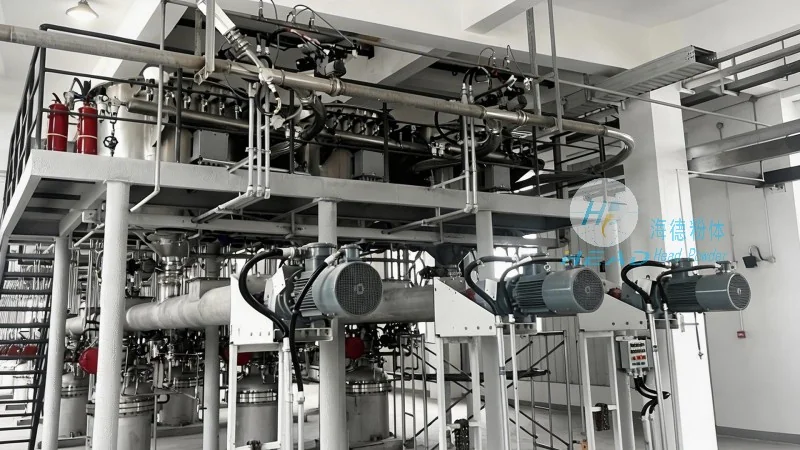
Pipeline blockages in pneumatic conveying systems occur when the material being transported accumulates and forms a solid plug within the pipeline. This can happen due to several factors, including high moisture content in the slurry, the presence of sticky or cohesive particles, and improper system design. The consequences of blockages range from minor operational delays to severe equipment failure, making it essential to implement preventive measures from the initial design phase. By addressing the root causes of blockages, such as inadequate air velocity or incorrect pipe sizing, operators can significantly reduce downtime and improve overall system efficiency.
Key Design Parameters for Preventing Pipeline Blockages
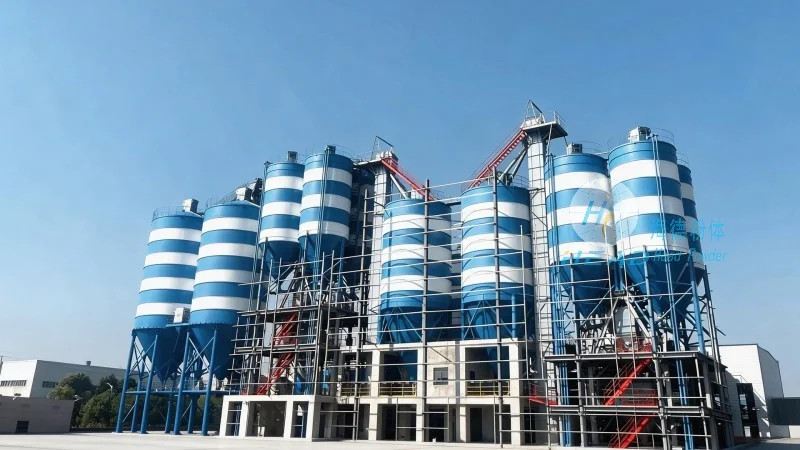
Several critical design parameters must be carefully considered when designing a pneumatic conveying system for slurry transport to minimize the risk of blockages. These parameters are directly related to the physical properties of the slurry and the operational requirements of the system. The first and most important parameter is the **pipe diameter**. A larger pipe diameter generally reduces the risk of blockages by allowing for higher air velocities and lower material concentration, which helps maintain the fluidized state of the slurry. However, larger diameters also increase capital costs and may not be feasible for all applications. The optimal pipe diameter is typically determined based on the maximum particle size, flow rate, and desired air velocity. For example, in systems handling fine sand or silt, a minimum pipe diameter of 100 mm is often recommended to prevent particle abrasion and blockage.
The second key parameter is the **air velocity** or **air-to-material ratio**. Maintaining an appropriate air velocity is crucial for keeping the slurry in a suspended state and preventing particle settling. The air velocity must be high enough to overcome the gravitational forces acting on the particles but not so high as to cause excessive pressure drops or energy consumption. The optimal air velocity is usually determined by the specific gravity of the slurry, particle size distribution, and the desired conveying distance. For slurry with high moisture content and fine particles, air velocities of 20-30 m/s are commonly used to ensure effective transport without causing blockages. The air-to-material ratio, which is the ratio of the volumetric flow rate of air to the volumetric flow rate of material, also plays a critical role. A higher air-to-material ratio helps maintain a dilute phase flow, reducing the likelihood of particle agglomeration and blockages.
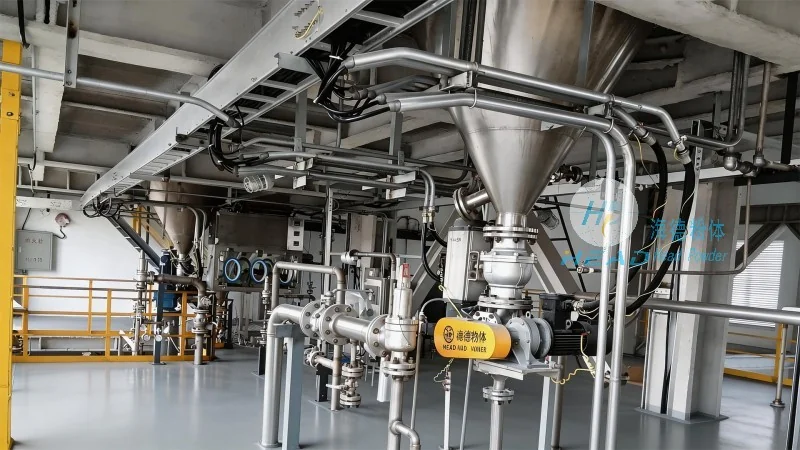
The third important parameter is the **system layout and pipe routing**. The design of the pipeline, including the number of bends, vertical and horizontal sections, and the presence of any restrictions or obstructions, significantly impacts the risk of blockages. Sharp bends and sudden changes in direction can cause the slurry to separate from the air stream, leading to particle accumulation and blockages. Therefore, it is recommended to use smooth, gradual bends with a radius of at least 5 times the pipe diameter. Additionally, the pipeline should be laid out to minimize vertical drops and horizontal turns, as these can cause the slurry to settle and form deposits. The use of inclined pipelines (with a slope of at least 1:100) can help prevent slurry accumulation and facilitate self-cleaning of the system.
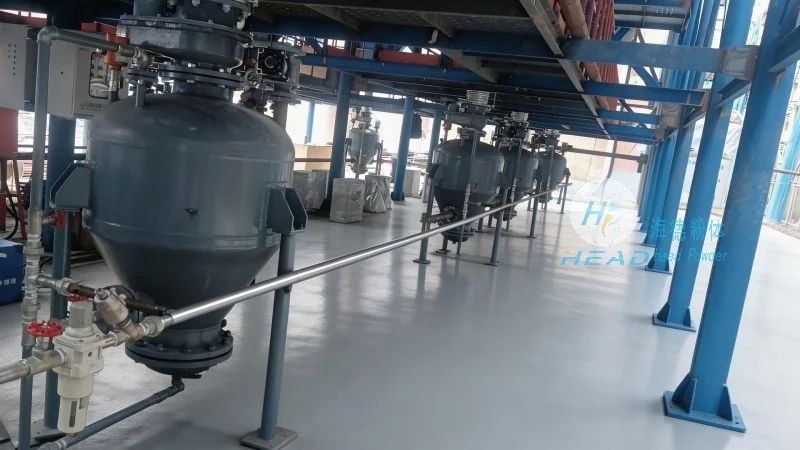
Another critical design parameter is the **material handling equipment** and its integration with the pneumatic conveying system. The feed system, such as a hopper or feeder, must be designed to provide a consistent and controlled flow of slurry into the pipeline. A sudden surge or fluctuation in the feed rate can cause the air velocity to drop, leading to particle settling and blockages. Therefore, the use of feeders with variable speed control and anti-blocking features is essential. The discharge system, including the receiver and discharge valve, should also be designed to prevent the backflow of air and the accumulation of material, which can lead to blockages. Proper sealing and maintenance of the discharge equipment are crucial to avoid air leakage and material buildup.