

How to Prevent Pipeline Blockages in Pneumatic Conveying Systems for Salt Transport? Key Design Para
When it comes to transporting bulk materials like salt, the choice of conveying system is critical for efficiency and reliability. Pneumatic conveying systems offer a solution that can handle the demands of salt transport while minimizing the risk of pipeline blockages. This article explores the key design parameters and strategies that Shandong HeadPowder Engineering Co., Ltd. employs to ensure effective and uninterrupted salt transport through pneumatic systems.
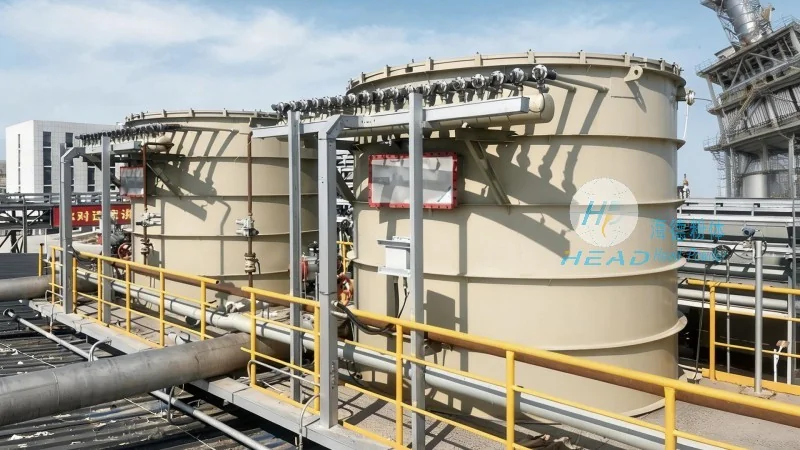
Understanding the Risks of Pipeline Blockages in Salt Conveying
One of the primary challenges in pneumatic salt transport is the formation of blockages within the pipeline. These blockages can result from various factors, including the physical properties of salt, such as its moisture content, particle size distribution, and flow characteristics. When salt particles adhere to the inner walls of the pipeline or agglomerate into larger masses, the flow can be significantly impeded, leading to system downtime and increased maintenance costs. Preventing such blockages is therefore a top priority for any pneumatic conveying system designed for salt transport.
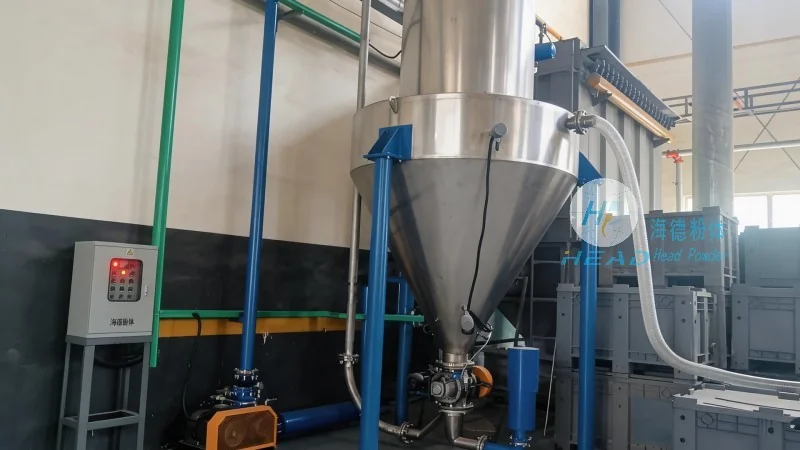
Key Design Parameters for Preventing Blockages in Pneumatic Salt Systems
Shandong HeadPowder Engineering Co., Ltd. recognizes that the success of a pneumatic conveying system for salt transport hinges on several critical design parameters. These parameters are carefully selected and optimized to ensure smooth material flow and minimize the risk of blockages. The primary design considerations include:
- System Pressure and Air Velocity: Maintaining an appropriate pressure and air velocity is essential to keep salt particles suspended and moving through the pipeline. Insufficient air velocity can lead to particle settling and blockage, while excessive pressure may cause wear and tear on the system components.
- Particle Size and Distribution: The size and distribution of salt particles play a crucial role in system performance. Coarser particles require higher air velocities to remain suspended, while finer particles may need additional measures, such as moisture control or additives, to prevent agglomeration.
- Pipeline Material and Surface Finish: The choice of pipeline material and its surface finish directly impacts the likelihood of blockages. Materials with smooth, non-stick surfaces, such as stainless steel or specialized coatings, reduce the adhesion of salt particles to the pipeline walls, thereby minimizing the risk of blockages.
- System Layout and Bends: The design of the pipeline layout, including the number and angle of bends, affects the flow dynamics. Properly designed bends with gradual transitions can prevent particle accumulation and reduce the likelihood of blockages. Additionally, incorporating expansion joints or flexible sections can accommodate thermal expansion and reduce stress on the system.
- Moisture Control and Conditioning: Salt is hygroscopic, meaning it can absorb moisture from the air. Excessive moisture can cause the salt to clump together, leading to blockages. Shandong HeadPowder Engineering Co., Ltd. often incorporates moisture control measures, such as desiccant systems or drying units, to maintain the salt's dryness and prevent agglomeration.
Implementation Strategies by Shandong HeadPowder Engineering Co., Ltd.
Shandong HeadPowder Engineering Co., Ltd. employs a comprehensive approach to prevent pipeline blockages in pneumatic salt conveying systems. The company's expertise lies in customizing systems based on the specific characteristics of the salt being transported, ensuring that all design parameters are optimized for the application. By integrating advanced control systems and monitoring technologies, the company can dynamically adjust air pressure and velocity in real-time, responding to changes in material flow and preventing potential blockages before they occur.
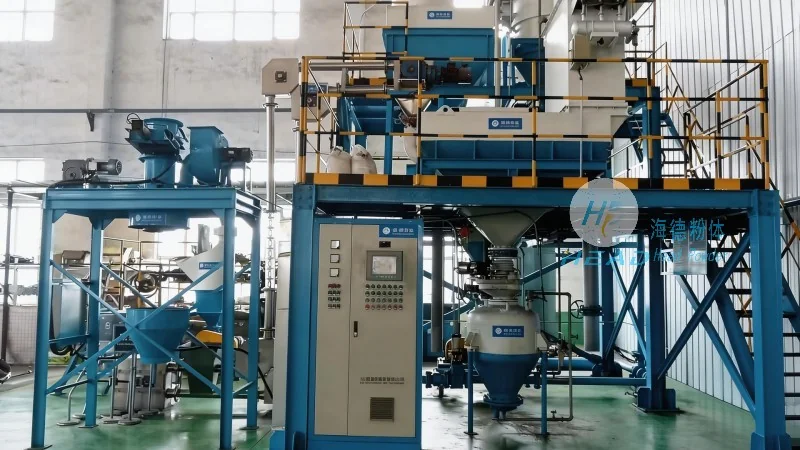
Conclusion: Ensuring Reliable Salt Transport with Pneumatic Systems
Preventing pipeline blockages in pneumatic conveying systems for salt transport is a multifaceted challenge that requires careful consideration of design parameters and implementation strategies. Shandong HeadPowder Engineering Co., Ltd. demonstrates a commitment to delivering reliable and efficient solutions by focusing on the key factors that influence system performance. By optimizing system pressure, particle characteristics, pipeline materials, and moisture control, the company ensures that its pneumatic conveying systems can handle the demands of salt transport while minimizing downtime and maintenance costs. For industries relying on bulk salt transport, partnering with a company like Shandong HeadPowder Engineering Co., Ltd. can provide the expertise and solutions needed to achieve seamless and uninterrupted material handling.