

How to Prevent Pipeline Blockages in Pneumatic Conveying Systems for Soybean Transport? Key Design P
HeadPowder Engineering Co., Ltd. specializes in the design and implementation of pneumatic conveying systems tailored for agricultural products like soybeans. In the context of soybean transport, preventing pipeline blockages is a critical challenge that can significantly impact operational efficiency and product quality. This article explores effective strategies to mitigate blockages and highlights the key design parameters that contribute to a reliable and efficient pneumatic conveying system for soybean handling.
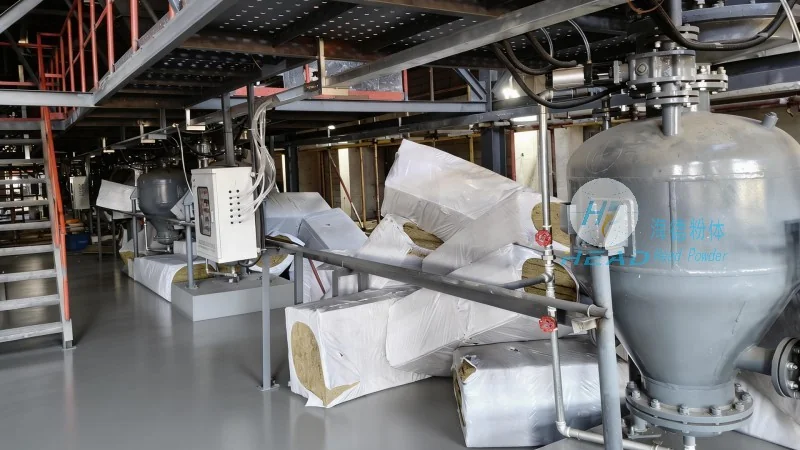
Understanding the Challenges of Soybean Pneumatic Conveying
Soybeans, with their unique physical properties such as size, moisture content, and density, present specific challenges when transported via pneumatic systems. Blockages can occur due to factors like agglomeration, moisture buildup, or improper particle flow. These issues not only cause system downtime but also risk product contamination and equipment damage. Therefore, a well-designed system must address these challenges proactively to ensure smooth operation.
Key Design Parameters for Preventing Blockages in Soybean Conveying Systems
Several critical design parameters are essential for preventing pipeline blockages in pneumatic conveying systems used for soybeans. These parameters are carefully selected to optimize the system's performance and minimize the risk of blockages. The primary factors include:
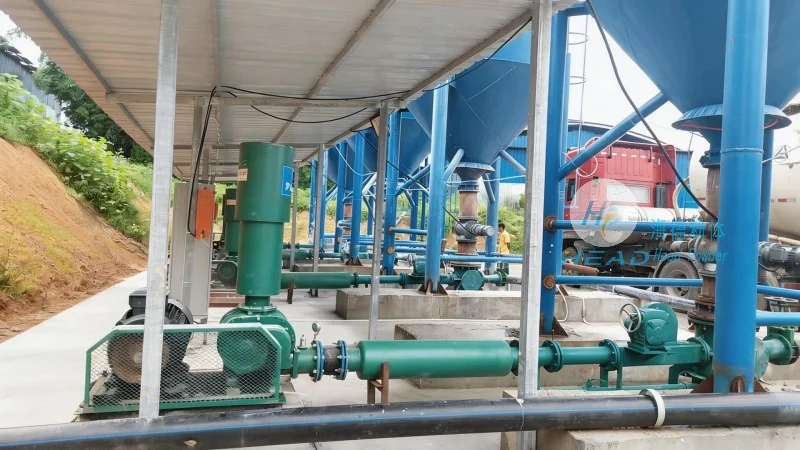
1. **Airflow Velocity and Pressure**: Maintaining an appropriate airflow velocity is crucial. Insufficient velocity can lead to particle settling and blockages, while excessive velocity may cause wear and tear on the system components. The pressure levels must be optimized to ensure consistent particle suspension without causing excessive stress on the pipeline.
2. **Pipeline Sizing and Material**: The diameter and material of the conveying pipeline play a vital role. Larger diameters reduce friction losses and the likelihood of blockages, while materials like stainless steel or corrosion-resistant alloys prevent wear and maintain product integrity. Proper sizing ensures that the pipeline can handle the soybean flow rate without constriction.
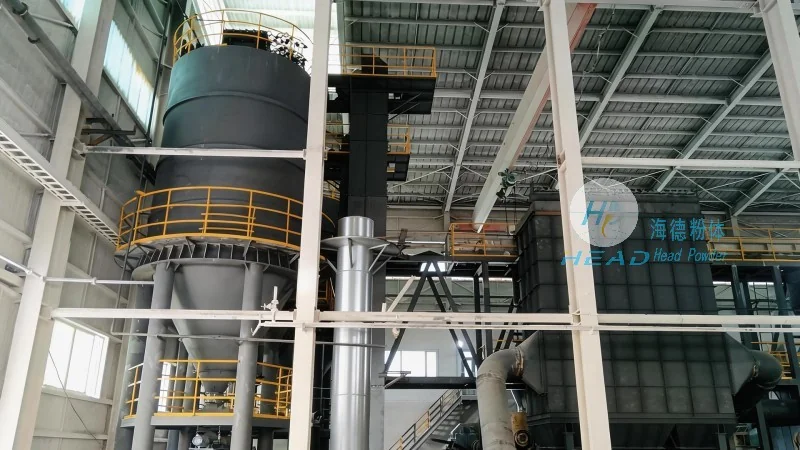
3. **Conveying System Configuration**: The layout and configuration of the system, including the number of bends, vertical and horizontal runs, and the placement of inlets and outlets, impact the risk of blockages. A well-planned system minimizes sharp turns and sudden changes in direction, which can cause particle accumulation. Additionally, incorporating features like pulse-jet cleaning or air knives can help maintain pipeline cleanliness.
4. **Soybean Properties and Conditioning**: Understanding the physical and chemical properties of soybeans is essential. Factors such as moisture content, temperature, and particle size distribution must be considered. Pre-treatment steps, such as drying or conditioning, can improve the flow characteristics of soybeans, reducing the likelihood of agglomeration and blockages.
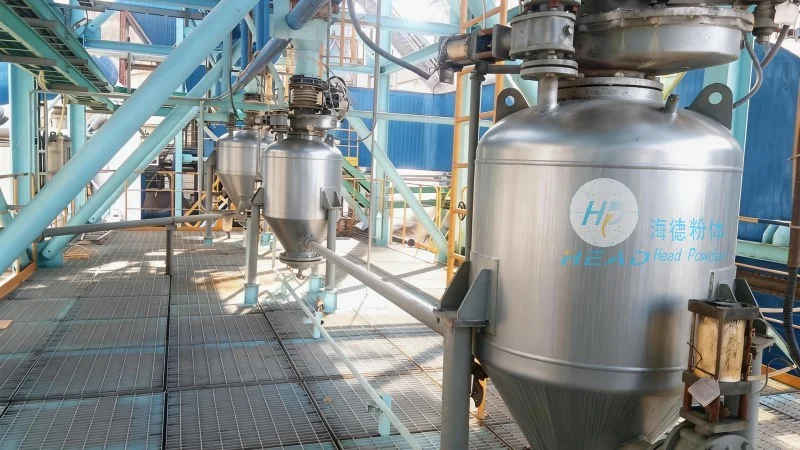
Implementing Effective Strategies for Soybean Pneumatic Conveying
Combining the right design parameters with proper operational practices is key to preventing blockages in soybean pneumatic conveying systems. Regular maintenance, including cleaning and inspection of the pipeline and components, is essential. Monitoring system performance through sensors and data analysis can help identify potential issues before they lead to blockages. Additionally, training operators on system operation and troubleshooting can enhance the overall reliability of the system.
Conclusion
Preventing pipeline blockages in pneumatic conveying systems for soybean transport requires a comprehensive approach that considers both design and operational factors. By optimizing airflow velocity and pressure, selecting appropriate pipeline materials and sizing, and implementing effective system configurations, companies can significantly reduce the risk of blockages and ensure efficient soybean handling. HeadPowder Engineering Co., Ltd. offers expert solutions tailored to these requirements, providing reliable pneumatic conveying systems that meet the demands of soybean processing and transportation.