

Preventing Pipeline Blockages in Pneumatic Conveying Systems for Fine Materials: Key Design Paramete
When handling fine materials through pneumatic conveying systems, operators often face the challenge of pipeline blockages. These blockages can disrupt production, increase maintenance costs, and reduce overall system efficiency. Understanding and implementing the right design parameters are crucial to mitigate these issues and ensure smooth material transport. This article explores effective strategies and key design considerations to prevent blockages in pneumatic conveying systems, with a focus on the expertise of Shandong HeadPowder Engineering Co., Ltd., a leading provider in the field.
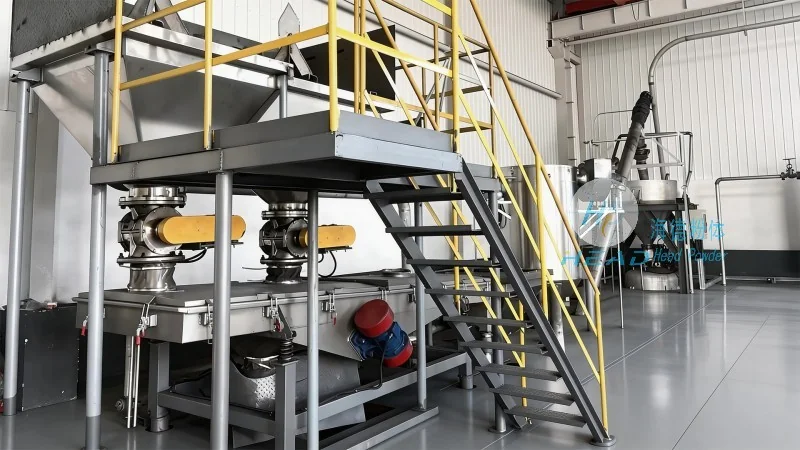
Understanding the Risks of Blockages in Fine Material Conveying
Fine materials, such as powders, granules, and dust, have unique characteristics that make them prone to agglomeration and caking within the conveying pipeline. Factors like moisture content, particle size distribution, and material density can significantly influence the likelihood of blockages. When these materials are transported under high pressure or with insufficient air flow, they may form solid plugs that obstruct the pipeline. Recognizing these risks is the first step toward designing a system that minimizes blockage occurrences.
Key Design Parameters for Preventing Blockages
Several critical design parameters must be considered when configuring a pneumatic conveying system for fine materials. These parameters work together to ensure proper flow, prevent material buildup, and maintain system performance. The following sections detail the most important factors:
System Pressure and Air Flow Rate
The pressure and air flow rate are fundamental to the success of a pneumatic conveying system. Higher pressure can enhance the conveying capacity but may also increase the risk of blockages if not balanced with the material's properties. The air flow rate must be sufficient to keep the material in suspension and prevent it from settling on the pipe walls. Shandong HeadPowder Engineering Co., Ltd. recommends optimizing the pressure and flow rate based on the specific characteristics of the fine material being handled. For example, systems handling highly cohesive powders may require higher air flow rates to maintain suspension and reduce the chance of agglomeration.
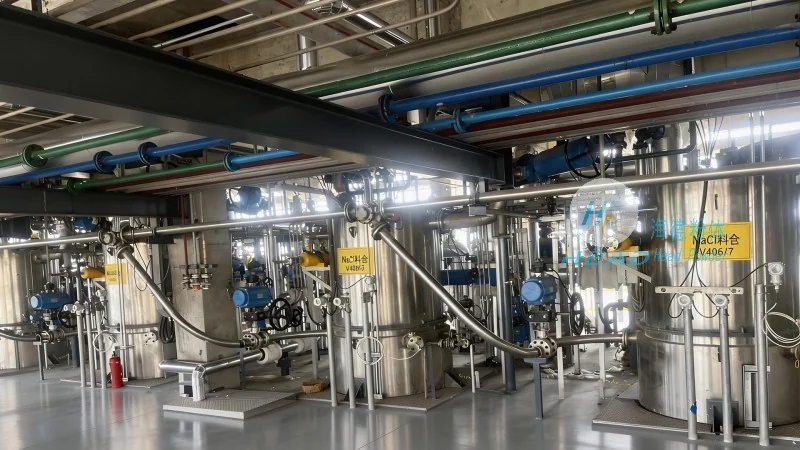
Pipeline Diameter and Length
The diameter of the conveying pipeline and its length are directly related to the risk of blockages. Larger diameter pipes generally reduce the velocity of the material-air mixture, which can lead to settling and blockages. Conversely, smaller diameter pipes increase the velocity but may cause excessive wear and energy consumption. The optimal diameter is determined by the material's flowability and the required conveying capacity. Additionally, longer pipelines increase the likelihood of pressure drop and material accumulation, so proper sizing and possibly the inclusion of expansion joints or bends are necessary to maintain flow. HeadPowder engineers carefully calculate the pipeline dimensions to ensure a balance between conveying efficiency and blockage prevention.
Material Characteristics and Conditioning
The physical and chemical properties of the fine material play a significant role in system design. Materials with high moisture content or those prone to caking require additional conditioning measures. Pre-drying or adding anti-caking agents can improve flowability and reduce the risk of blockages. Furthermore, the particle size distribution affects the air-solid interaction; finer particles may require higher air flow rates to remain suspended. Shandong HeadPowder Engineering Co., Ltd. conducts thorough material analysis to tailor the system design, ensuring that the conveying parameters are matched to the material's specific characteristics.
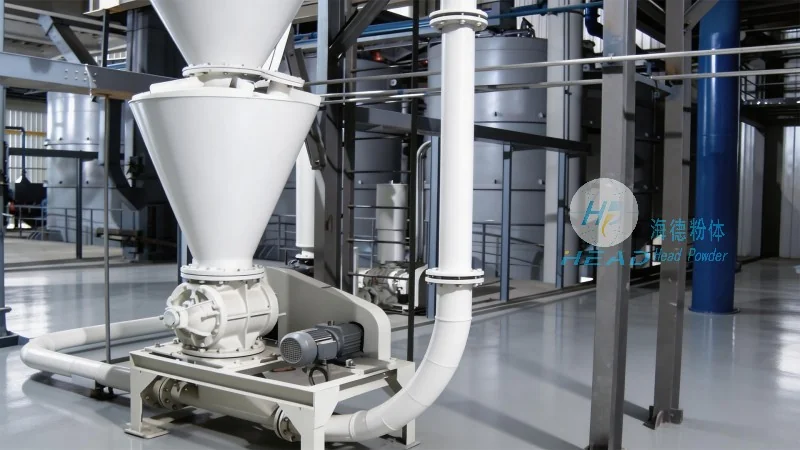
Air-Solid Ratio and Pulse Conveying
The air-solid ratio, which is the ratio of air volume to material volume, is a critical parameter in pneumatic conveying. An appropriate ratio ensures that the material is fully suspended and transported efficiently. For fine materials, a higher air-solid ratio may be necessary to prevent settling. Pulse conveying, where intermittent bursts of high-pressure air are used, can also help break up agglomerates and maintain flow. This method is particularly effective for cohesive materials and can significantly reduce blockage incidents. HeadPowder's systems often incorporate pulse control mechanisms to dynamically adjust the air flow and prevent material buildup.
System Layout and Bends
The layout of the conveying system, including the placement of bends and elbows, impacts the risk of blockages. Sharp bends can cause material to impact the pipe walls and accumulate, leading to blockages. Using larger radius bends or smoothing the pipe transitions can reduce this risk. Additionally, the orientation of the pipeline (horizontal vs. vertical) affects the flow dynamics. Vertical sections may require higher air flow rates to counteract gravity and prevent material settling. Proper system layout, designed by experienced engineers at Shandong HeadPowder Engineering Co., Ltd., minimizes the potential for blockages by ensuring smooth transitions and optimal flow paths.
Monitoring and Maintenance Practices
Even with optimal design, regular monitoring and maintenance are essential to prevent blockages. Installing pressure sensors and flow meters allows operators to detect changes in system performance that may indicate impending blockages. Routine cleaning and inspection of the pipeline, especially in areas prone to material buildup, are also critical. Shandong HeadPowder Engineering Co., Ltd. provides comprehensive maintenance services and training to help clients maintain their systems effectively. By combining proper design with proactive maintenance, the risk of blockages can be significantly reduced, ensuring continuous and efficient operation of pneumatic conveying systems for fine materials.