

Preventing Pipeline Blockages in Pneumatic Conveying Systems for Barley Transport: Key Design Parame
Efficient and reliable material handling is crucial in the agricultural and food processing industries, especially when dealing with bulk commodities like barley. Pneumatic conveying systems have emerged as a preferred method for transporting barley due to their ability to move materials over long distances without the need for mechanical components. However, a common challenge in such systems is the risk of pipeline blockages, which can lead to operational downtime and increased maintenance costs. Understanding how to prevent these blockages and the key design parameters involved is essential for optimizing the performance of pneumatic conveying systems in barley transport.
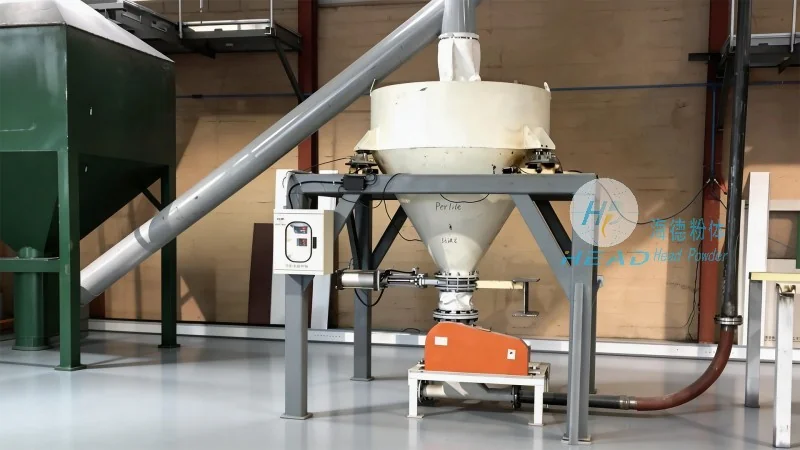
Understanding the Risks of Pipeline Blockages in Barley Pneumatic Conveying
Pipeline blockages in pneumatic conveying systems for barley can occur due to several factors, including the physical properties of the barley, the design of the conveying system, and operational conditions. Barley, being a granular material with varying moisture content and size distribution, can agglomerate or form clumps under certain conditions, leading to blockages. Additionally, improper system design, such as insufficient air velocity or inadequate pipe diameter, can exacerbate these issues. Recognizing these risks is the first step toward implementing effective prevention strategies.
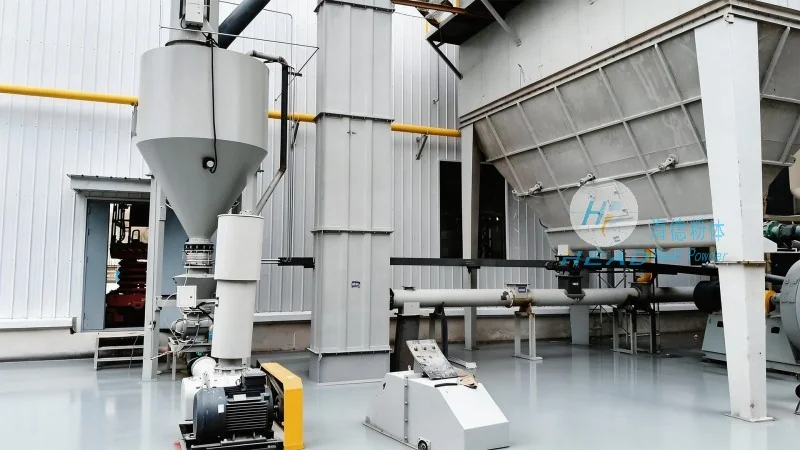
Key Design Parameters for Preventing Blockages in Pneumatic Conveying Systems
Several critical design parameters must be considered to minimize the risk of pipeline blockages in pneumatic conveying systems used for barley transport. These parameters are interrelated and must be optimized based on the specific characteristics of the barley and the operational requirements of the system.
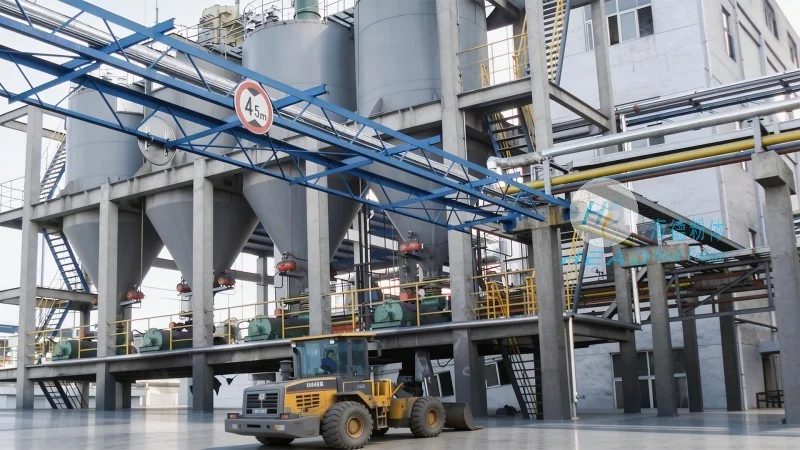
- Air Velocity and Pressure: Maintaining an appropriate air velocity is paramount. The velocity must be high enough to prevent the barley from settling and forming a bed in the pipe, but not so high as to cause excessive wear on the system components. The pressure within the system also plays a role, as higher pressures can help maintain the flow of material and reduce the likelihood of blockages.
- Pipe Diameter and Length: The diameter of the conveying pipe is a key factor. Larger diameters generally reduce the risk of blockages by providing more space for the barley to move and reducing friction. However, the length of the pipe also affects the system's performance; longer pipelines may require higher air velocities or pressures to maintain flow. Proper sizing of the pipe diameter and length is essential to ensure smooth material transport.
- Material Characteristics: The physical properties of the barley, such as its bulk density, moisture content, and particle size distribution, must be considered in the system design. For example, barley with higher moisture content may be more prone to clumping, requiring adjustments in air velocity or the addition of drying equipment. Understanding these characteristics allows for tailored system design that minimizes blockage risks.
- System Configuration: The configuration of the pneumatic conveying system, including the type of conveying (e.g., dilute phase or dense phase), the presence of bends, and the use of filters or cyclones, can impact the risk of blockages. Dilute phase systems, which use higher air velocities, are generally less prone to blockages compared to dense phase systems. However, the presence of bends or other obstructions can increase the risk, necessitating careful design to minimize these points of potential blockage.
Implementing Effective Prevention Strategies
While design parameters are crucial, operational strategies also play a vital role in preventing pipeline blockages. Regular maintenance and monitoring of the system are essential. This includes checking for clogs in the pipe, ensuring that the air supply is clean and free of contaminants, and monitoring the pressure and velocity of the system. Additionally, implementing a cleaning schedule for the system can help prevent the buildup of material that could lead to blockages over time.
Conclusion
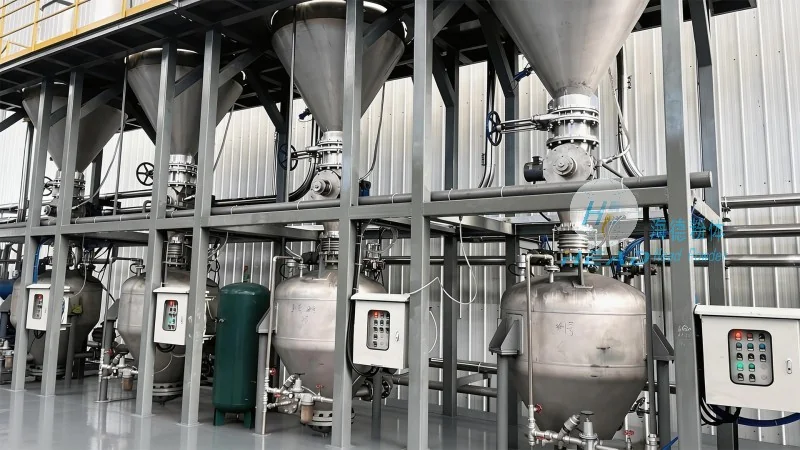
Preventing pipeline blockages in pneumatic conveying systems for barley transport is a multifaceted challenge that requires careful consideration of both design parameters and operational strategies. By optimizing air velocity and pressure, selecting appropriate pipe diameter and length, accounting for material characteristics, and implementing effective system configurations and maintenance practices, the risk of blockages can be significantly reduced. Companies like Shandong HeadPowder Engineering Co., Ltd., with expertise in pneumatic conveying systems, offer tailored solutions that address these challenges, ensuring efficient and reliable barley transport for their clients. With the right design and operational approach, pneumatic conveying systems can provide a cost-effective and efficient method for handling barley, minimizing downtime and maximizing productivity.