

How to Prevent Pipeline Blockages in Pneumatic Conveying Systems for Fertilizer Transport? What are
Pneumatic conveying systems are widely used in the fertilizer industry for efficient and safe material transport. However, one of the most common challenges in this application is pipeline blockage, which can lead to system downtime, increased maintenance costs, and potential safety hazards. To address this issue, understanding and implementing the right design parameters is crucial. This article explores effective strategies to prevent blockages in pneumatic conveying systems for fertilizer transport and highlights the key design considerations that ensure smooth operation.
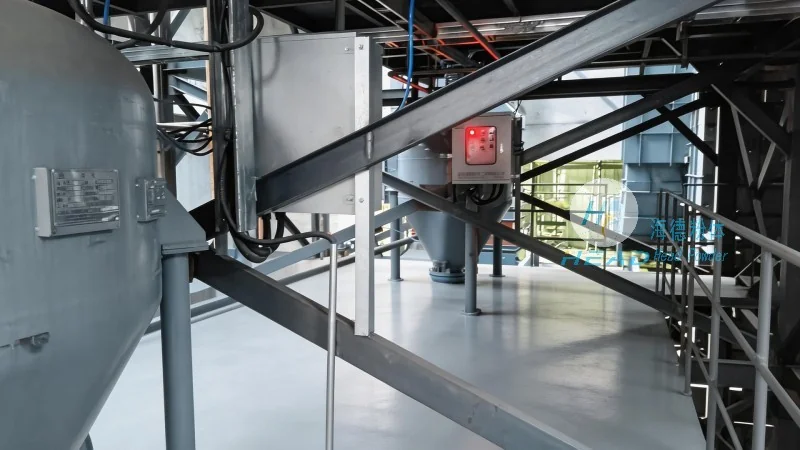
Understanding the Risks of Pipeline Blockages in Fertilizer Conveying
In fertilizer handling, blockages can occur due to various factors, including the physical properties of the material, system design, and operational conditions. Fertilizers often have a high moisture content or are prone to agglomeration, which can cause particles to stick together or adhere to the pipe walls. Additionally, improper air flow rates or pressure differentials can lead to uneven material distribution, creating localized areas of high concentration that are more susceptible to clogging. Recognizing these risks is the first step toward implementing preventive measures.
Key Design Parameters for Preventing Blockages in Pneumatic Conveying
The design of a pneumatic conveying system for fertilizer transport must consider several critical parameters to minimize the risk of blockages. These parameters are interrelated and must be optimized based on the specific characteristics of the fertilizer being handled.
1. Air Velocity and Flow Rate
Maintaining an appropriate air velocity is fundamental to preventing blockages. The air velocity must be high enough to keep the material in suspension but not so high that it causes excessive wear on the system components. For most granular fertilizers, an air velocity of 20-30 meters per second is commonly recommended. This velocity ensures that the particles remain airborne and do not settle, reducing the likelihood of agglomeration and subsequent blockage. The flow rate of air is also critical; it must be sufficient to handle the required material throughput without creating pressure drops that could lead to clogging.
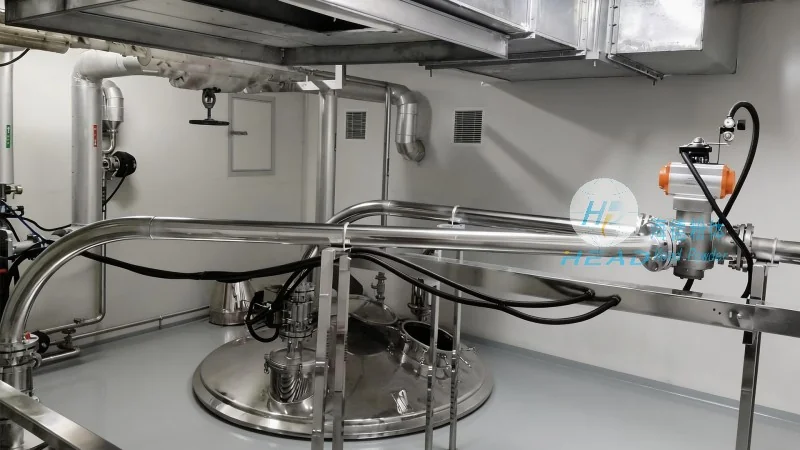
2. Pipe Diameter and Length
The diameter of the conveying pipe is directly related to the air velocity and flow rate. A larger pipe diameter allows for higher material throughput but may require higher air velocity to maintain suspension. Conversely, a smaller pipe diameter reduces the risk of blockage but limits the system's capacity. The length of the pipeline also impacts the system's performance; longer pipelines increase the risk of pressure loss and material settling, necessitating additional booster fans or higher air pressure. Proper sizing of the pipe diameter and length is essential to balance capacity and blockage prevention.
3. Material Characteristics and Particle Size
The physical properties of the fertilizer, such as particle size distribution, moisture content, and bulk density, play a significant role in system design. Coarser particles are generally less prone to blockage than fine powders, as they have a lower tendency to agglomerate. However, fine particles require higher air velocities to remain suspended. The moisture content of the fertilizer is another critical factor; higher moisture levels can cause the material to stick to the pipe walls or form clumps, leading to blockages. Therefore, understanding the material's characteristics is vital for selecting the appropriate conveying method and design parameters.
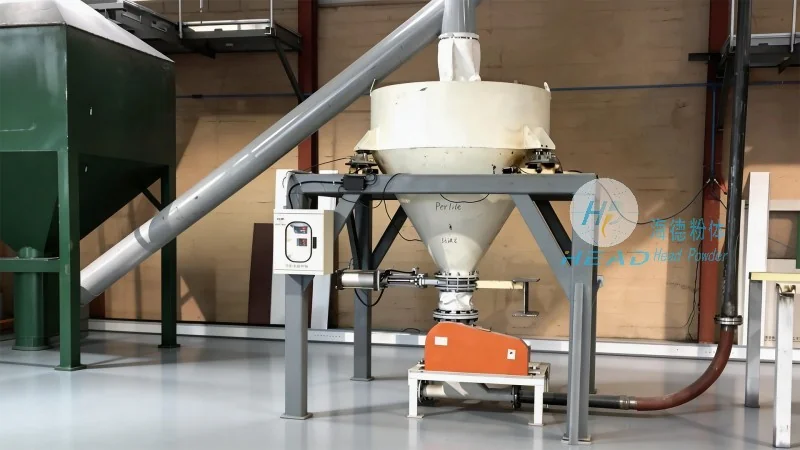
4. System Configuration and Pressure Differentiation
The configuration of the pneumatic conveying system, including the type of conveying (e.g., dilute-phase or dense-phase), also affects blockage risk. Dilute-phase systems use higher air velocities and lower pressure differentials, making them suitable for fine powders but more susceptible to blockage if not properly designed. Dense-phase systems, on the other hand, use lower air velocities and higher pressure differentials, which can reduce the risk of blockage by ensuring the material is transported in a compacted state. The pressure differentials between the inlet and outlet of the system must be carefully managed to avoid excessive pressure drops that could cause material to settle and clog the pipe.
Best Practices for Preventing Blockages in Fertilizer Conveying Systems
Beyond the design parameters, several operational and maintenance practices can further reduce the risk of blockage. Regular cleaning and inspection of the pipeline are essential to remove any accumulated material or debris that could contribute to clogging. Using appropriate filters and separators to remove moisture and fine particles from the air stream can also improve system performance and reduce the likelihood of blockage. Additionally, monitoring system pressure and air flow rates in real-time allows operators to detect any changes that may indicate an impending blockage and take corrective action promptly.
Conclusion
Preventing pipeline blockages in pneumatic conveying systems for fertilizer transport is a multifaceted challenge that requires careful consideration of design parameters and operational practices. By optimizing air velocity, pipe diameter, material characteristics, and system configuration, manufacturers can significantly reduce the risk of downtime and maintenance costs. Companies like Shandong HeadPowder Engineering Co., Ltd., with expertise in engineering and manufacturing pneumatic conveying solutions, offer tailored systems that address these challenges and ensure reliable operation. Their commitment to understanding the unique needs of the fertilizer industry helps clients achieve efficient and safe material transport, minimizing the risk of blockages and maximizing productivity.