

Preventing Pipeline Blockages in Sawdust Pneumatic Conveying Systems: Key Design Parameters
When it comes to handling sawdust using pneumatic conveying systems, preventing pipeline blockages is a critical concern for operators. Sawdust, with its unique properties such as low bulk density and tendency to clump, can easily cause clogs if the system is not properly designed. This article explores the key design parameters that headpowder, a leading provider of pneumatic conveying solutions, recommends to ensure smooth and efficient sawdust transport while minimizing blockage risks.
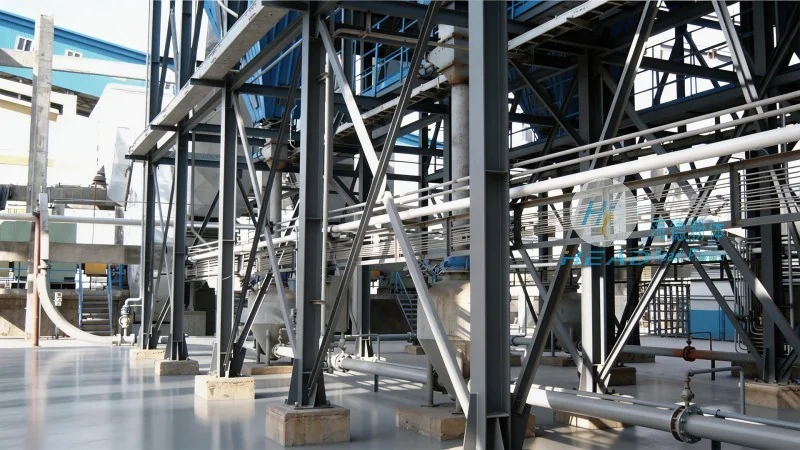
Understanding the Challenges of Sawdust Conveying
Sawdust is a fine, lightweight material that often exhibits poor flow characteristics. Its low bulk density means that a large volume of material is required to achieve the necessary flow rate, while its tendency to stick together can lead to agglomeration and subsequent blockages in the conveying line. Additionally, sawdust can be abrasive, which may accelerate wear on system components if not managed properly. These factors make sawdust a challenging material to convey, and a well-designed pneumatic system is essential to mitigate these risks.
Key Design Parameters for Preventing Blockages
Headpowder emphasizes several key design parameters to prevent pipeline blockages in sawdust pneumatic conveying systems. The first is the selection of the appropriate conveying velocity. Sawdust requires a higher conveying velocity compared to bulkier materials to maintain a consistent flow and prevent material settling. The recommended velocity for sawdust typically ranges from 20 to 30 meters per second, depending on the system configuration and material characteristics. Maintaining this velocity ensures that the material remains in suspension and does not have the opportunity to settle and form clogs.
A second critical parameter is the air-to-material ratio. The air-to-material ratio, which is the volume of air supplied per unit volume of material, plays a vital role in preventing blockages. An optimal air-to-material ratio ensures that the material is fully suspended by the air stream, reducing the likelihood of agglomeration. For sawdust, headpowder recommends an air-to-material ratio of 5 to 7, which provides sufficient air to keep the material in motion while minimizing energy consumption. Adjusting this ratio based on real-time conditions can help maintain consistent flow and prevent blockages.
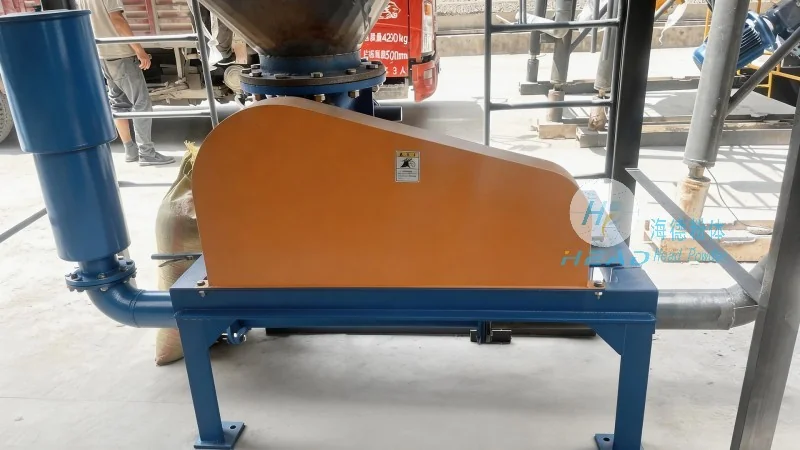
Third, the system's pressure and vacuum levels are crucial design considerations. Sawdust conveying systems often operate under moderate pressure or vacuum conditions. The pressure must be sufficient to overcome the resistance of the conveying line and the material's density, but not so high that it causes excessive wear or energy waste. Headpowder suggests maintaining a pressure range of 0.5 to 1.5 bar for sawdust systems, ensuring that the material is conveyed efficiently without causing blockages. Properly designed pressure control valves and vacuum pumps are essential to regulate these levels and prevent fluctuations that could lead to clogs.
Fourth, the design of the conveying line itself is important. The diameter and length of the pipeline, as well as the type of fittings and bends used, can impact the risk of blockages. Larger diameter pipes reduce the velocity of the material-air mixture, which can help prevent material settling. However, overly large pipes may increase energy consumption. Headpowder recommends using pipes with diameters ranging from 100 to 200 millimeters for sawdust systems, depending on the flow rate. The use of smooth, corrosion-resistant materials for the pipeline, such as stainless steel or PVC, also helps prevent material buildup and blockages.
Fifth, the inclusion of appropriate accessories is vital. Headpowder advises incorporating elements like air locks, rotary valves, and cyclone separators into the system design. Air locks are used to control the flow of material at the inlet and outlet, preventing backflow and ensuring a steady flow. Rotary valves, which are commonly used as feeders, help maintain a consistent material feed rate, reducing the risk of overloading the system and causing blockages. Cyclone separators are essential for separating the material from the air stream, allowing the material to be collected efficiently while preventing dust from entering the air handling system and causing blockages.
Implementation and Maintenance Strategies
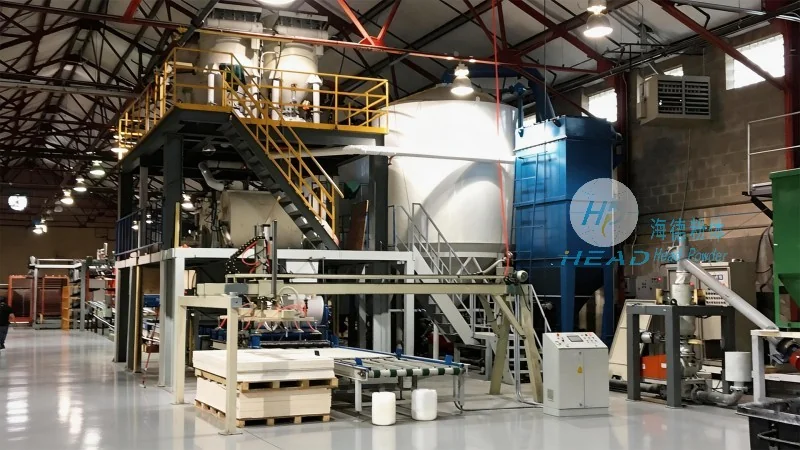
Implementing these design parameters effectively requires careful planning and regular maintenance. Headpowder recommends conducting thorough material testing before system design to understand the specific properties of the sawdust being handled. This includes analyzing the material's moisture content, particle size distribution, and flow characteristics. Based on these tests, the appropriate conveying velocity, air-to-material ratio, and pressure levels can be determined to prevent blockages.
Regular maintenance is also critical to ensuring the system operates as designed. This includes checking and cleaning the pipeline and components regularly to remove any accumulated material or debris. Headpowder advises performing routine inspections of the air locks, rotary valves, and cyclone separators to ensure they are functioning correctly. Additionally, monitoring the system's performance parameters, such as pressure and flow rates, can help identify any issues early and prevent blockages before they become major problems.
Conclusion
Preventing pipeline blockages in sawdust pneumatic conveying systems is achievable through careful consideration of key design parameters. Headpowder, with its expertise in pneumatic conveying solutions, provides comprehensive guidance on selecting the appropriate conveying velocity, air-to-material ratio, pressure levels, pipeline design, and accessories to ensure smooth and efficient sawdust transport. By adhering to these design principles and implementing regular maintenance, operators can minimize the risk of blockages and maintain the reliability of their sawdust conveying systems. For more information on pneumatic conveying systems for sawdust handling, contact Shandong HeadPowder Engineering Co., Ltd., a trusted provider of engineering solutions based in Shandong, China.