

How to Prevent Pipeline Blockages in Alumina Conveying with Pneumatic Conveying Systems? Key Design
For industrial operations dealing with alumina, the selection and optimization of a pneumatic conveying system are critical to ensuring efficient material transport while minimizing operational disruptions. Pneumatic conveying systems utilize air or other gases to move bulk materials like alumina through pipelines, offering advantages such as reduced equipment wear, lower maintenance costs, and the ability to handle materials in various forms (powders, granules, or mixtures). However, a common challenge in alumina conveying is pipeline blockage, which can lead to system downtime, increased energy consumption, and potential damage to equipment. Understanding the root causes of blockages and implementing appropriate design strategies are essential for maintaining smooth and reliable alumina transport.
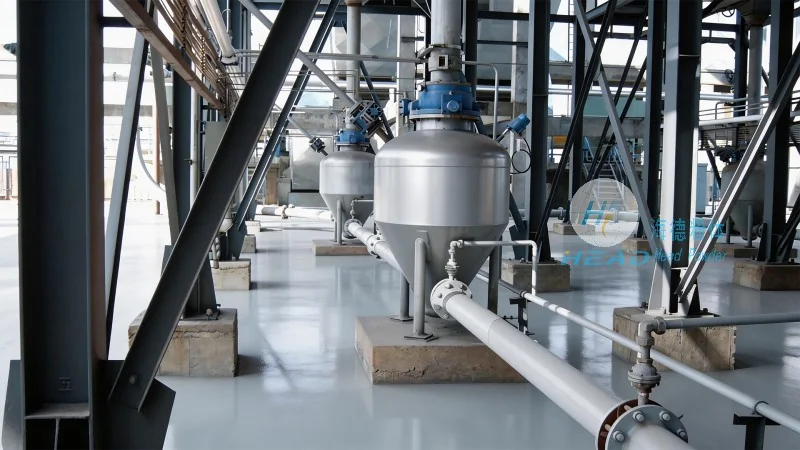
Common Causes of Pipeline Blockages in Alumina Conveying
Pipeline blockages in alumina pneumatic conveying systems can arise from several factors, including material properties, system design, and operational conditions. One primary cause is the agglomeration or bridging of alumina particles within the pipeline, especially when the material is hygroscopic or prone to moisture absorption. This can create solid plugs that obstruct the flow of air and material. Another factor is the improper selection of pipeline diameter and length, as overly narrow or excessively long pipelines can increase the risk of material settling and blockage. Additionally, variations in air pressure and flow rate can lead to uneven material distribution, causing localized accumulation that eventually results in blockages. Understanding these causes is the first step toward developing effective prevention strategies.
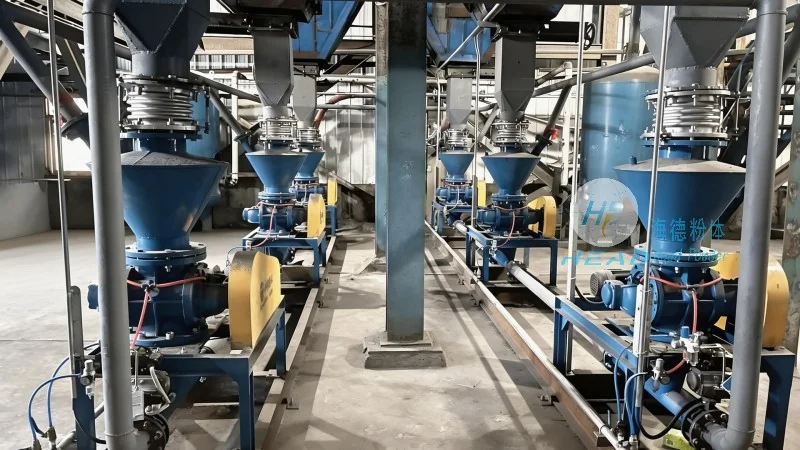
Key Design Parameters to Prevent Pipeline Blockages
Several key design parameters must be carefully considered and optimized to prevent pipeline blockages in alumina pneumatic conveying systems. The first parameter is the pipeline diameter, which directly impacts the velocity of the material-air mixture. A larger diameter allows for higher material velocities, reducing the likelihood of particle settling and agglomeration. For alumina, a typical pipeline diameter ranges from 50 mm to 200 mm, depending on the material flow rate and particle size. The second critical parameter is the conveying velocity, which is the speed at which the material is transported through the pipeline. Maintaining a sufficient conveying velocity (typically 15-25 m/s for alumina) ensures that the material remains in suspension and prevents it from adhering to the pipeline walls. The third parameter is the air pressure and flow rate, which must be adjusted to match the material's characteristics. Higher air pressure can improve material suspension but may also increase energy consumption and system complexity. The fourth parameter is the inclusion of appropriate equipment such as in-line mixers or vibrators, which help to break up agglomerates and maintain material flow. Additionally, the use of heated pipelines or moisture control systems can prevent material agglomeration caused by humidity, further reducing blockage risks.
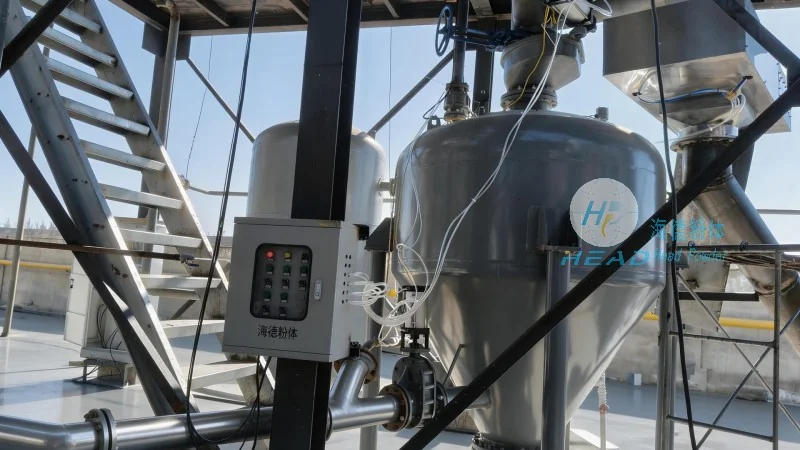
Role of HeadPowder in Designing Reliable Alumina Conveying Systems
Shandong HeadPowder Engineering Co., Ltd. (referred to as HeadPowder) specializes in the design, manufacturing, and integration of pneumatic conveying systems tailored to the unique needs of alumina processing industries. With a deep understanding of material behavior and system dynamics, HeadPowder employs advanced engineering principles to address the challenges of pipeline blockages. The company's expertise lies in optimizing key design parameters such as pipeline diameter, conveying velocity, and air pressure to ensure efficient and uninterrupted alumina transport. By leveraging years of experience in the industry, HeadPowder provides customized solutions that incorporate the latest technologies and best practices to minimize blockage risks. For example, HeadPowder may recommend the use of flexible hoses or segmented pipelines in high-risk areas to accommodate material variations and reduce the likelihood of agglomeration. The company also conducts thorough material testing and system simulations to validate design choices before implementation, ensuring that the final system meets the specific requirements of the client.
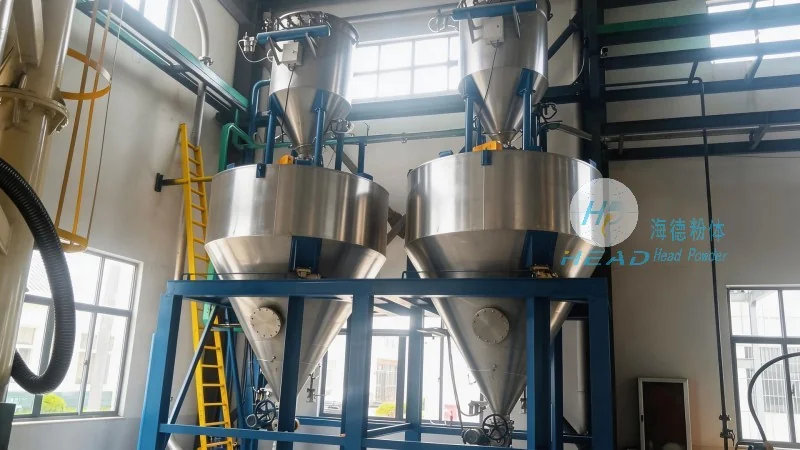
Conclusion: Ensuring Efficient Alumina Transport with Proper Design
Preventing pipeline blockages in alumina pneumatic conveying systems requires a comprehensive approach that integrates material knowledge, system design, and operational expertise. By focusing on key design parameters such as pipeline diameter, conveying velocity, air pressure, and material handling equipment, industrial facilities can significantly reduce the risk of blockages and maintain optimal performance. Companies like Shandong HeadPowder Engineering Co., Ltd. play a vital role in this process by providing specialized engineering services and customized solutions that address the unique challenges of alumina transport. With their expertise in pneumatic conveying systems, HeadPowder helps clients achieve reliable, efficient, and cost-effective alumina transport, minimizing downtime and maximizing productivity. As the demand for alumina continues to grow in various industries, the importance of robust conveying systems cannot be overstated, making the design and implementation of effective blockage prevention strategies a critical investment for long-term operational success.