

Preventing Pipeline Blockages in Pneumatic Conveying Systems for Calcium Hydroxide: Key Design Param
Pneumatic conveying systems are widely used in industrial applications for transporting bulk materials like calcium hydroxide, commonly known as slaked lime. These systems utilize air or other gases to move materials through pipelines, offering advantages such as reduced equipment wear, lower maintenance costs, and the ability to handle materials in a dust-free environment. However, when dealing with calcium hydroxide, which is hygroscopic and can have varying particle sizes, the risk of pipeline blockages increases significantly. This article explores effective strategies and key design parameters to prevent blockages and ensure efficient operation of pneumatic conveying systems for calcium hydroxide.
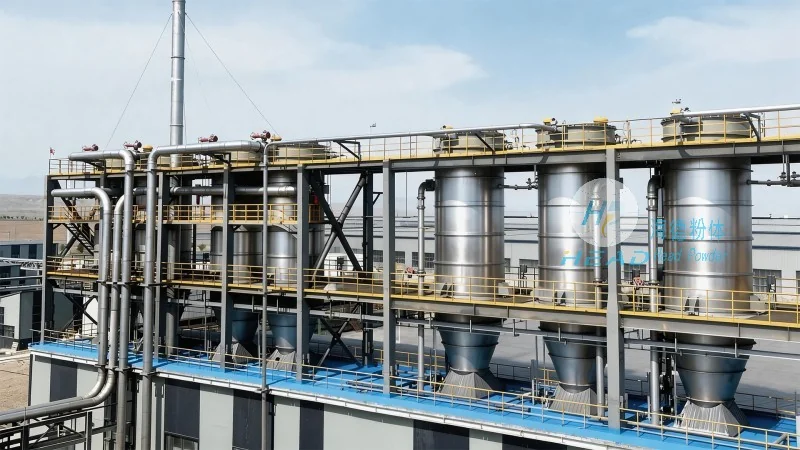
The Challenge of Pipeline Blockages in Calcium Hydroxide Conveying
Calcium hydroxide is a fine, powdery material that can absorb moisture from the air, leading to agglomeration and increased viscosity. When air velocity in the pipeline is insufficient or inconsistent, these agglomerates can accumulate and form blockages, disrupting the entire conveying process. Blockages can cause system downtime, material loss, and increased energy consumption. Therefore, understanding the factors that contribute to blockages is crucial for designing a reliable pneumatic conveying system.
Key Design Parameters to Prevent Blockages in Pneumatic Systems
Several critical design parameters must be considered to minimize the risk of blockages in pneumatic conveying systems for calcium hydroxide. The first is the air velocity, which should be maintained at a level sufficient to keep the material in suspension. For calcium hydroxide, typical air velocities range from 20 to 30 meters per second, depending on the particle size and density. Another important parameter is the pipeline diameter, which should be sized to accommodate the material flow without causing excessive pressure drops. Larger diameters reduce friction losses and the likelihood of particle deposition.
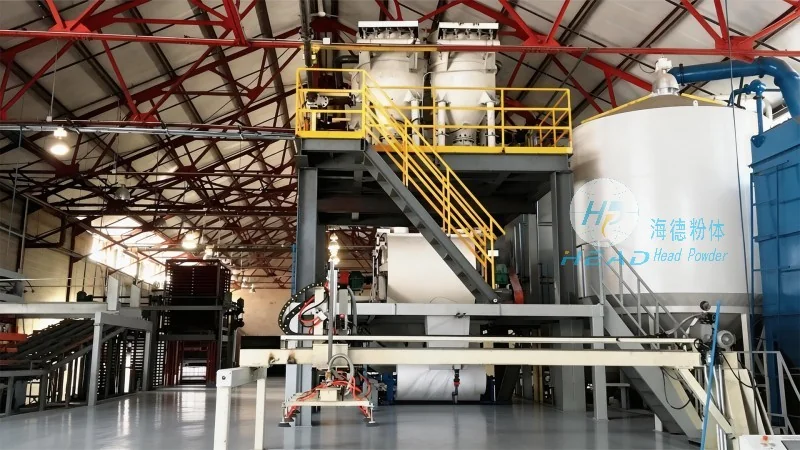
Material Properties and Their Impact on Conveying
The physical properties of calcium hydroxide, such as particle size distribution, moisture content, and bulk density, directly affect the performance of the pneumatic conveying system. Coarser particles require higher air velocities to remain suspended, while finer particles are more prone to agglomeration. The moisture content of the material is a key factor; higher moisture levels increase the risk of clumping. To mitigate this, pre-drying or moisture control measures may be necessary before the material enters the conveying system. Additionally, the bulk density of the material influences the required air volume and pressure, as higher density materials need more air to achieve the same conveying rate.
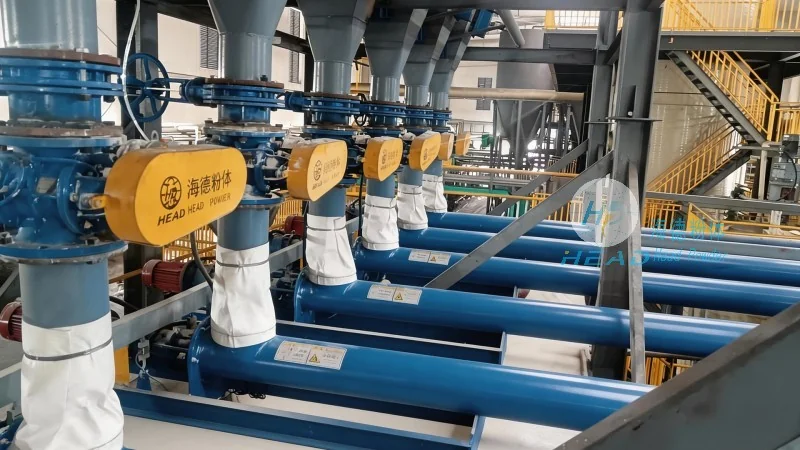
System Configuration and Airflow Management
The configuration of the pneumatic conveying system, including the layout of the pipeline, the number of bends, and the placement of airlocks and cyclones, plays a vital role in preventing blockages. Straight pipelines with minimal bends reduce friction and the chance of particle accumulation. Airlocks, which are used to separate the material from the air stream, should be designed to handle the specific characteristics of calcium hydroxide, such as its tendency to stick to surfaces. Cyclones, used for material separation, should be sized appropriately to prevent clogging and ensure efficient separation. Airflow management, including the use of pressure or vacuum systems, must be optimized to maintain consistent air velocity throughout the system.
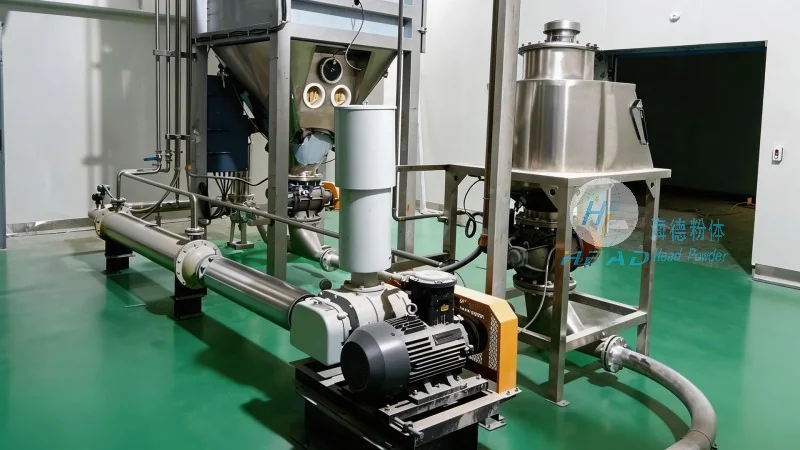
Equipment Selection and Maintenance Practices
The choice of equipment, such as the blower or compressor, and its capacity, is critical for preventing blockages. High-capacity, low-pressure blowers are often preferred for pneumatic conveying systems as they can maintain the required air velocity without causing excessive pressure drops. Regular maintenance of the system is essential to prevent blockages. This includes cleaning the pipeline, airlocks, and cyclones regularly to remove any accumulated material. Additionally, monitoring the system's performance, such as air pressure and flow rate, can help identify potential issues before they lead to blockages.
Case Study: Successful Implementation by Shandong HeadPowder Engineering Co., Ltd.
Shandong HeadPowder Engineering Co., Ltd., a leading provider of pneumatic conveying solutions, has successfully implemented a system for calcium hydroxide conveying that minimizes blockages. The company designed a system with a 200mm pipeline diameter and maintained an air velocity of 25 meters per second. The system included airlocks with anti-stick coatings and cyclones with large diameters to prevent clogging. Regular maintenance, including daily cleaning of the airlocks and weekly inspection of the pipeline, ensured the system operated efficiently. The client reported a significant reduction in downtime and material loss, demonstrating the effectiveness of the design parameters and maintenance practices.