

Preventing Pipeline Blockages in Pneumatic Conveying Systems for Sanding Powder: Key Design Paramete
Efficient material handling is crucial in industrial applications, especially when dealing with fine powders like sanding powder. Pneumatic conveying systems offer a reliable solution for transporting such materials, but they are susceptible to pipeline blockages, which can halt production and increase maintenance costs. Understanding the root causes of blockages and implementing appropriate design parameters is essential for maintaining smooth operation. This article explores effective strategies to prevent pipeline blockages in pneumatic conveying systems used for sanding powder and highlights the critical design parameters that contribute to system performance.
About Shandong HeadPowder Engineering Co., Ltd.
As a leading provider in the field of material handling solutions, Shandong HeadPowder Engineering Co., Ltd. specializes in designing and manufacturing advanced pneumatic conveying systems tailored to the unique challenges of transporting sanding powder. With years of industry experience, the company has developed a deep understanding of the factors that influence system efficiency and reliability. HeadPowder's expertise lies in optimizing system design to ensure safe, efficient, and cost-effective material transport, minimizing the risk of blockages and downtime. The company is headquartered in Shandong, China, and serves clients globally with customized solutions that meet their specific material handling needs.
Common Causes of Pipeline Blockages in Pneumatic Conveying Systems
Pipeline blockages in pneumatic conveying systems for sanding powder can result from several factors. One primary cause is the high moisture content in the powder, which leads to agglomeration and the formation of clumps that clog the system. Another factor is the particle size distribution; excessively fine particles can create a "plugging" effect as they accumulate and form a solid mass. Additionally, inadequate air velocity or pressure can cause the material to settle in the pipeline, leading to blockages. The presence of foreign objects or contaminants in the powder can also contribute to blockage issues, as these can interfere with the flow of material and air. Understanding these causes is the first step toward implementing effective prevention strategies.
Key Design Parameters for Preventing Pipeline Blockages
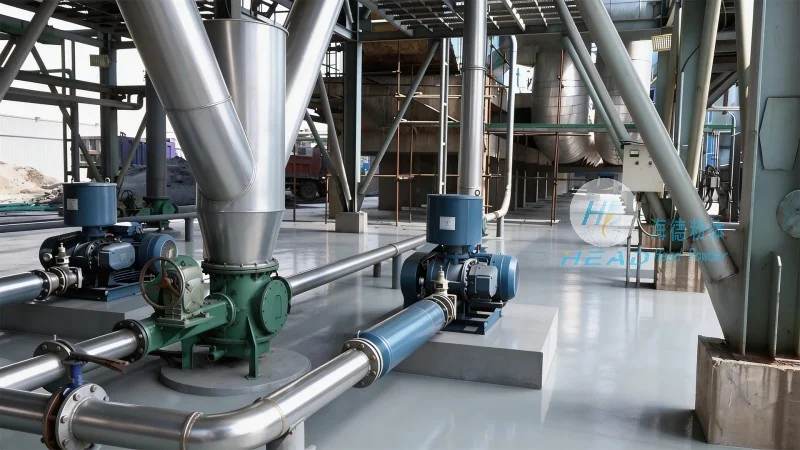
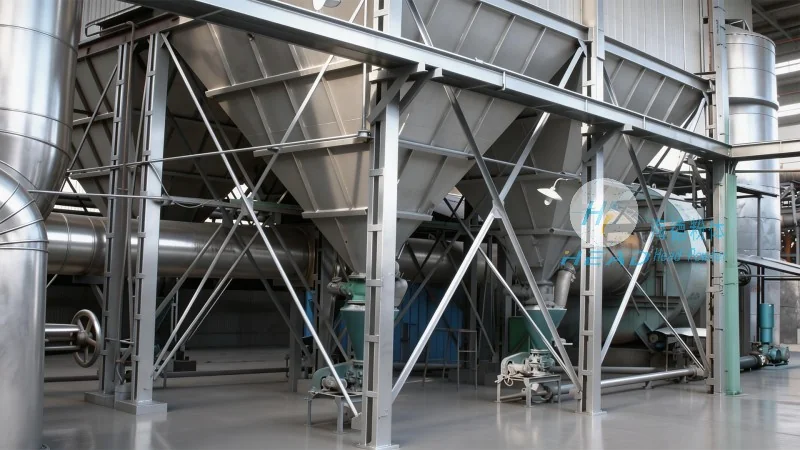
Several critical design parameters must be considered when designing a pneumatic conveying system for sanding powder to prevent blockages. The first parameter is the air velocity, which should be maintained at an optimal level to ensure the material is fully suspended and transported without settling. Typically, air velocities of 20-30 meters per second are recommended for fine powders like sanding powder, as this ensures sufficient momentum to keep particles in suspension. The second parameter is the system pressure, which must be sufficient to overcome the resistance of the pipeline and the material's density. Higher pressure can help maintain flow but may increase energy consumption, so a balanced approach is necessary. The third parameter is the pipeline diameter and length; larger diameters reduce friction losses and the risk of blockage, while shorter pipelines minimize the distance material travels, reducing the likelihood of settling. Additionally, the use of appropriate bends and fittings is crucial, as sharp turns can cause particles to settle and accumulate. HeadPowder recommends using smooth, rounded bends and avoiding abrupt changes in direction to maintain consistent flow. The selection of the right material for the pipeline, such as stainless steel or corrosion-resistant materials, is also important to prevent material buildup and corrosion that can lead to blockages. Finally, the inclusion of cleaning mechanisms, such as pulse jets or rotary valves, can help maintain system cleanliness and prevent the accumulation of debris that contributes to blockages.
System Optimization and Maintenance Practices
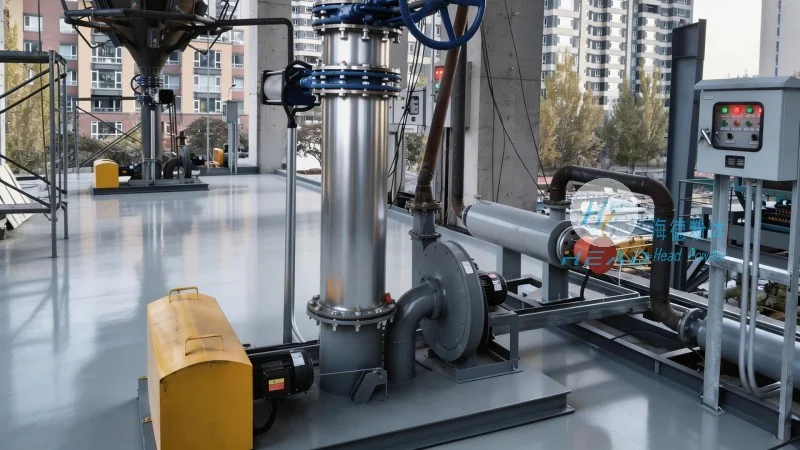
Even with proper design, regular maintenance and optimization are essential to prevent pipeline blockages. Regular inspection of the system for signs of wear or damage is necessary to identify potential issues before they escalate. Cleaning the pipeline and components regularly, especially after periods of inactivity or when handling different materials, can help remove accumulated debris and prevent blockages. Monitoring system performance, such as air pressure and flow rates, can provide early warnings of potential problems. Additionally, training operators on proper system operation and maintenance can improve overall system reliability. HeadPowder emphasizes the importance of a proactive maintenance approach, which includes scheduled inspections, cleaning, and performance checks to ensure the system operates at peak efficiency and minimizes downtime.
Conclusion
Preventing pipeline blockages in pneumatic conveying systems for sanding powder requires a combination of proper system design and regular maintenance. By understanding the causes of blockages and implementing key design parameters, such as optimal air velocity, pressure, and pipeline design, manufacturers can ensure smooth and efficient material transport. Shandong HeadPowder Engineering Co., Ltd. offers advanced pneumatic conveying solutions tailored to these requirements, helping industrial clients maintain productivity and reduce operational costs. With their expertise in material handling, HeadPowder continues to provide reliable systems that meet the demands of modern industrial applications.