

How Air-Pneumatic Conveying Systems Prevent Pipeline Blockages in Coffee Powder Transport? Key Desig
When it comes to transporting coffee powder efficiently and safely, air-pneumatic conveying systems have become a preferred solution for many industries. These systems utilize air pressure to move bulk materials like coffee powder through pipelines, offering advantages such as reduced labor costs, improved hygiene, and enhanced product quality. However, a common challenge in coffee powder handling is pipeline blockage, which can disrupt operations and lead to significant downtime. Understanding how to prevent these blockages and the key design parameters involved is crucial for optimizing the performance of air-pneumatic conveying systems in coffee powder transport.
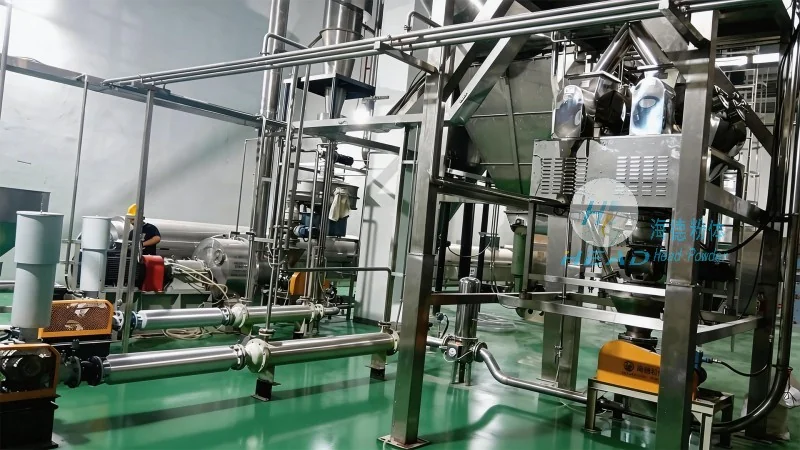
Understanding Pipeline Blockages in Coffee Powder Conveying
Before delving into prevention strategies, it's essential to understand why blockages occur in coffee powder pipelines. Coffee powder is a fine, abrasive material that can easily agglomerate or adhere to pipeline walls under certain conditions. Factors such as moisture content, particle size distribution, and the flow rate of the conveying air can all contribute to the formation of blockages. Additionally, the presence of foreign materials or inadequate cleaning procedures can exacerbate the problem. Recognizing these root causes is the first step toward implementing effective prevention measures.
Key Design Parameters for Preventing Blockages in Coffee Powder Systems
Several critical design parameters must be considered when designing an air-pneumatic conveying system for coffee powder to minimize the risk of blockages. The first parameter is the selection of appropriate pipeline materials. Materials like stainless steel or food-grade plastic are commonly used due to their resistance to corrosion and ability to prevent material adhesion. The smoothness of the pipeline interior is also vital; rough surfaces can trap coffee powder particles, leading to blockages. Therefore, choosing a smooth, non-stick material for the pipeline is essential.
Another key parameter is the air velocity and pressure. Maintaining an optimal air velocity ensures that coffee powder particles are fully suspended and transported without settling. Insufficient air velocity can cause particles to settle and accumulate, while excessive velocity may lead to excessive wear on the system components. The pressure differential between the inlet and outlet of the pipeline also plays a crucial role. A well-designed system will maintain a consistent pressure gradient to ensure continuous material flow.
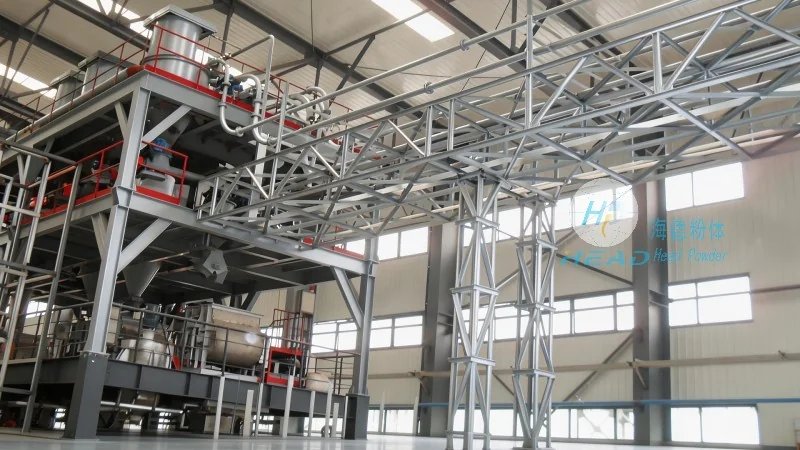
The design of the conveying line layout is also a critical factor. The angle and length of the pipeline can significantly impact the risk of blockages. Horizontal sections of the pipeline should be avoided or minimized, as they are more prone to material accumulation. Instead, a slight upward slope is recommended to facilitate the movement of coffee powder. Additionally, incorporating expansion joints or flexible connectors can help accommodate thermal expansion and reduce stress on the pipeline, preventing cracks or leaks that could lead to blockages.
Furthermore, the use of appropriate equipment, such as in-line mixers or vibrators, can help prevent blockages by ensuring that coffee powder remains in a suspended state. These devices can be strategically placed in the pipeline to break up any agglomerates or prevent material from settling. Regular maintenance and cleaning schedules are also essential design considerations. Implementing a preventive maintenance program that includes periodic pipeline cleaning and inspection can help identify and address potential blockage issues before they become major problems.
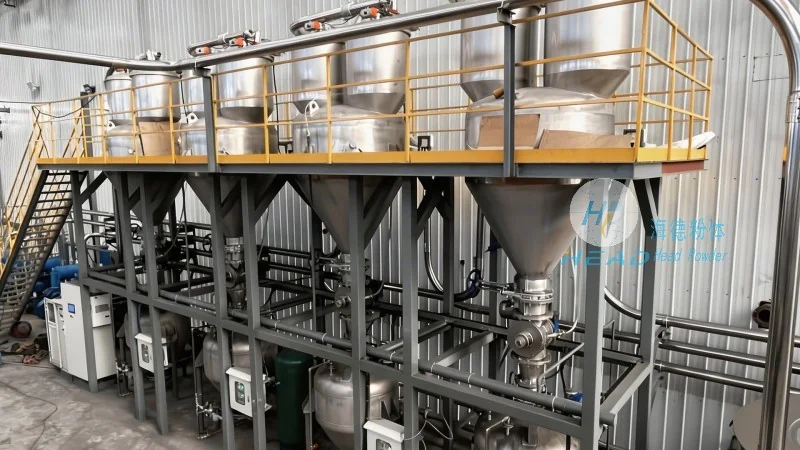
Role of HeadPowder in Designing Effective Coffee Powder Conveying Systems
Shandong HeadPowder Engineering Co., Ltd., commonly known as headpowder, specializes in the design and manufacturing of air-pneumatic conveying systems tailored for coffee powder and other fine bulk materials. With years of experience in the industry, headpowder understands the unique challenges associated with coffee powder handling and has developed innovative solutions to prevent pipeline blockages. The company's expertise lies in optimizing key design parameters to ensure reliable and efficient operation of conveying systems.
headpowder's approach to system design involves a comprehensive analysis of the client's specific requirements, including the type and quantity of coffee powder, the distance of transport, and the desired flow rate. Based on this analysis, the company selects the most suitable pipeline materials, air velocity, and layout to minimize the risk of blockages. For example, in systems transporting high-moisture coffee powder, headpowder may recommend the use of heated pipelines to prevent moisture-related agglomeration. Similarly, for systems with varying particle sizes, the company may incorporate adjustable air flow controls to maintain optimal suspension.
headpowder also emphasizes the importance of regular maintenance and provides clients with detailed maintenance schedules and guidelines. The company's team of engineers and technicians are available to offer technical support and troubleshooting services, ensuring that the conveying system operates at peak efficiency. By focusing on both the design and maintenance aspects of the system, headpowder helps clients achieve consistent performance and minimize downtime caused by blockages.