

Preventing Pipeline Blockages in Pneumatic Conveying Systems for Dry Stone Powder: Key Design Parame
When it comes to transporting dry stone powder through pneumatic conveying systems, preventing pipeline blockages is a critical challenge that can significantly impact operational efficiency and system reliability. The unique properties of dry stone powder, such as its high density, abrasive nature, and tendency to agglomerate, make it particularly prone to causing blockages in the conveying lines. To address this issue effectively, understanding and implementing the right design parameters is essential. This article explores the key factors that contribute to pipeline blockages in dry stone powder pneumatic conveying systems and outlines the critical design parameters that can help prevent them.
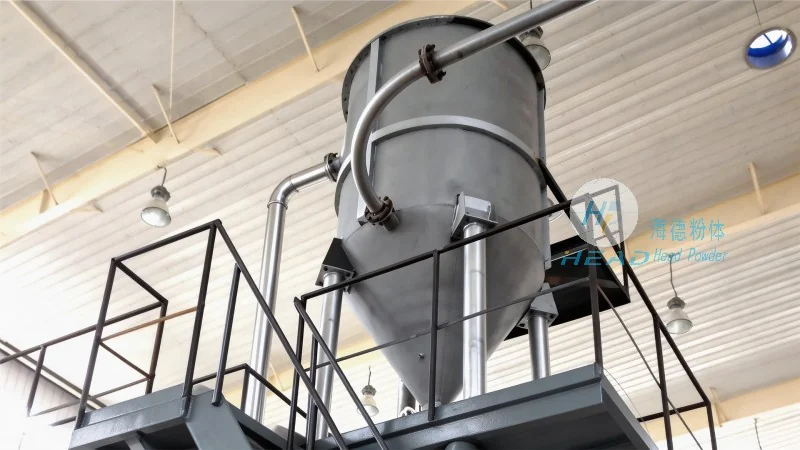
Understanding the Challenges of Dry Stone Powder Conveying
Dry stone powder, often used in construction, mining, and industrial applications, presents specific challenges for pneumatic conveying. Unlike other materials, stone powder particles are typically irregularly shaped, have high abrasiveness, and can stick together due to static electricity or moisture. These characteristics increase the risk of particle accumulation, which can lead to blockages in the pipeline. Additionally, the high density of stone powder means that higher air velocities are required to maintain flow, but this can also exacerbate wear and tear on the system components, further contributing to potential blockages.
Key Design Parameters for Preventing Pipeline Blockages
Several key design parameters must be considered when designing a pneumatic conveying system for dry stone powder to minimize the risk of blockages. These parameters are crucial for ensuring smooth and continuous material transport. The first parameter is the air velocity and pressure. Maintaining an optimal air velocity is essential to keep the material in suspension and prevent it from settling and clogging the pipeline. For dry stone powder, the recommended air velocity typically ranges from 20 to 30 meters per second, depending on the particle size and density. The pressure within the system must also be carefully controlled to avoid excessive pressure drops that can lead to material deposition.
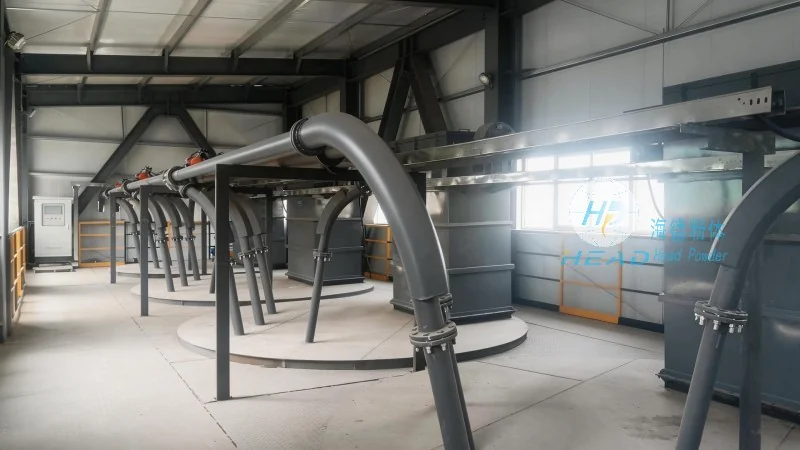
The second critical parameter is the pipeline diameter and length. The diameter of the conveying pipe should be appropriately sized to accommodate the material flow without causing excessive friction or pressure loss. A larger diameter can reduce the risk of blockages by allowing more material to be conveyed at a lower velocity, which is less likely to cause agglomeration. The length of the pipeline is also important, as longer runs increase the likelihood of pressure drop and material accumulation. Properly sizing the pipeline and incorporating appropriate bends and elbows can help maintain consistent flow and reduce the risk of blockages.
The third parameter is the use of appropriate fittings and accessories. The design of the system's fittings, such as bends, tees, and valves, plays a significant role in preventing blockages. Using smooth, rounded bends and avoiding sharp corners can minimize the risk of material sticking and accumulating. Additionally, incorporating cleaning mechanisms, such as rotary air locks or pulse jets, can help clear any potential blockages and maintain system performance. The selection of high-quality materials for the pipeline and fittings, such as stainless steel or abrasion-resistant alloys, is also essential to withstand the abrasive nature of the stone powder and prevent wear-related blockages.
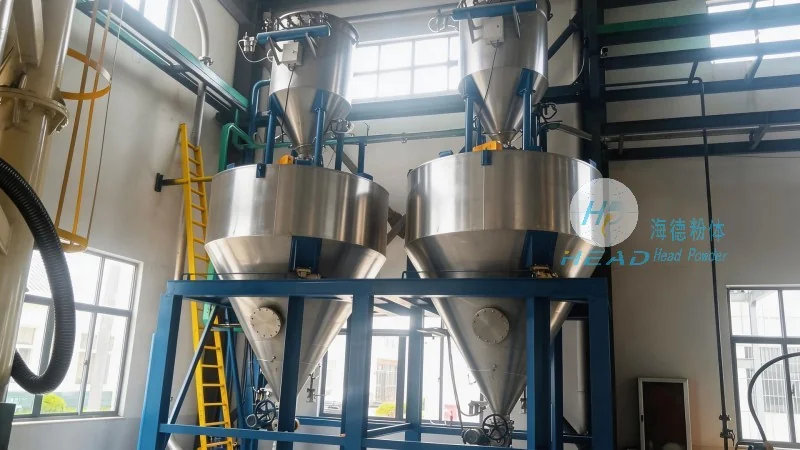
System Integration and Maintenance Considerations
While design parameters are crucial, the effective integration of the system and regular maintenance are equally important in preventing pipeline blockages. Proper system integration involves ensuring that the conveying system is properly connected to the source and destination points, with minimal changes in elevation or direction that could cause material settling. Regular maintenance, including cleaning of filters, checking for wear on components, and monitoring air pressure and flow rates, is essential to identify and address potential issues before they lead to blockages.
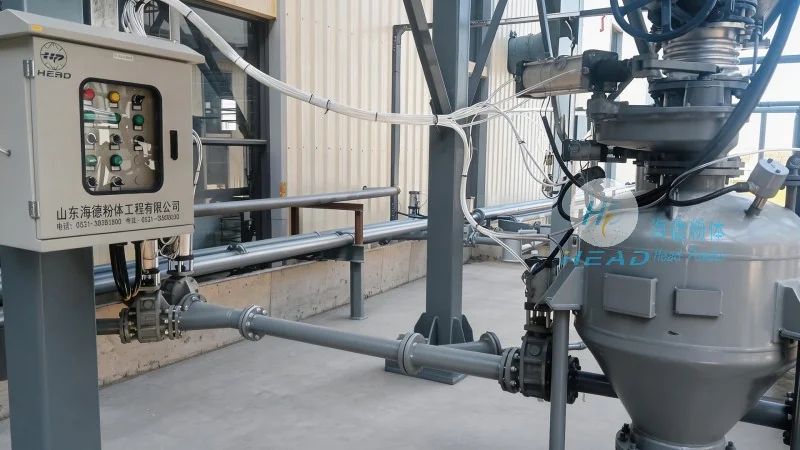
Another important aspect is the control of moisture and static electricity. Dry stone powder can be affected by moisture, which can cause clumping and blockages. Proper moisture control measures, such as drying the material before conveying or using anti-static additives, can help prevent these issues. Additionally, ensuring that the system is properly grounded and using anti-static equipment can reduce the risk of static buildup, which can attract particles and lead to blockages.
Conclusion
Preventing pipeline blockages in pneumatic conveying systems for dry stone powder requires a comprehensive approach that considers the material's properties, system design, and operational practices. By focusing on key design parameters such as air velocity, pipeline sizing, and the use of appropriate fittings, along with proper system integration and maintenance, the risk of blockages can be significantly reduced. Implementing these measures not only improves the efficiency and reliability of the conveying system but also extends the lifespan of the equipment and reduces maintenance costs. For companies dealing with dry stone powder, investing in a well-designed pneumatic conveying system with these considerations in mind is a critical step toward achieving smooth and uninterrupted material transport.