

How to Prevent Pipeline Blockages in Magnesium Oxide Conveying with Pneumatic Conveying Systems? Key
When handling magnesium oxide, a critical challenge in material transport is preventing pipeline blockages. Pneumatic conveying systems offer an effective solution, and understanding the key design parameters is essential for ensuring smooth operation. This article explores how to mitigate blockages and the critical design elements that contribute to efficient magnesium oxide transport.
Understanding Magnesium Oxide Properties and Their Impact on Conveying
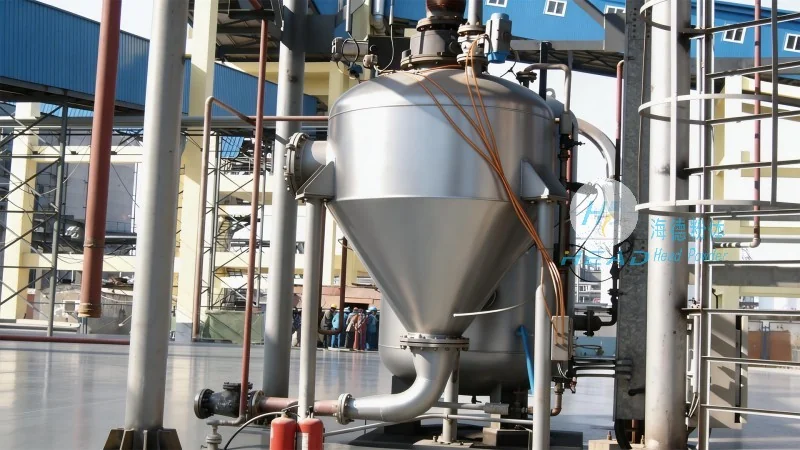
Magnesium oxide (MgO), also known as magnesia, is a fine, powdery material with specific characteristics that influence its behavior in pneumatic systems. Its high reactivity, particle size distribution, and flow properties require careful consideration during system design. The material's tendency to agglomerate or create static charges can lead to blockages if not properly managed. By analyzing these properties, engineers can tailor the conveying system to minimize risks.
Key Design Parameters for Preventing Pipeline Blockages
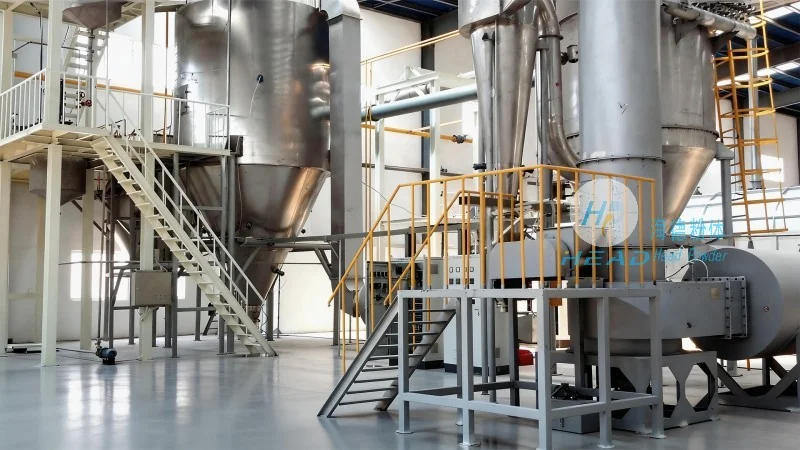
Several critical design parameters are pivotal in preventing blockages in pneumatic conveying systems for magnesium oxide. These include:
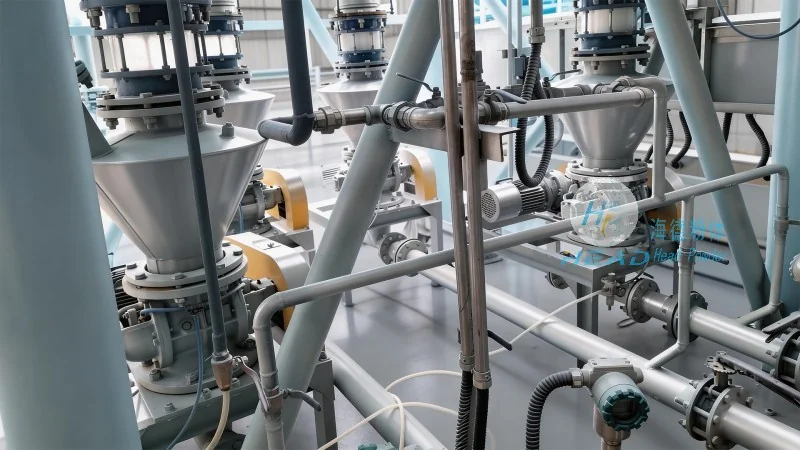
- Air Velocity and Flow Rate: Maintaining optimal air velocity is crucial. Insufficient velocity can cause material to settle and form deposits, while excessive velocity may lead to wear and energy inefficiency. The flow rate must be balanced to ensure the material is fully entrained without causing excessive pressure drops.
- System Sizing and Pipe Diameter: The appropriate pipe diameter is essential. Smaller diameters increase friction and pressure loss, while larger diameters may not fully utilize the air flow. For magnesium oxide, a diameter that accommodates the material's particle size and flow characteristics is recommended to prevent clogging.
- Material Handling and Conditioning: Pre-treatment of magnesium oxide, such as drying or adding anti-agglomerating agents, can improve flowability. Conditioning equipment like vibrators or agitators can break up clumps and ensure uniform material distribution, reducing the risk of blockages.
- System Configuration and Layout: The layout of the conveying system, including the number of bends, vertical and horizontal runs, and the placement of valves and filters, impacts blockage risk. A well-designed layout minimizes changes in direction and pressure, which can cause material to settle. Additionally, incorporating surge tanks or cyclone separators can help manage material flow and prevent overloading sections of the pipeline.
The Role of HeadPowder in Designing Effective Conveying Solutions
Shandong HeadPowder Engineering Co., Ltd. specializes in engineering pneumatic conveying systems tailored to the unique needs of magnesium oxide handling. With years of experience, the company provides comprehensive solutions that address the challenges of material transport, including blockage prevention. By leveraging advanced design principles and material-specific knowledge, HeadPowder ensures systems are optimized for efficiency and reliability.
Conclusion: Ensuring Smooth and Efficient Magnesium Oxide Transport
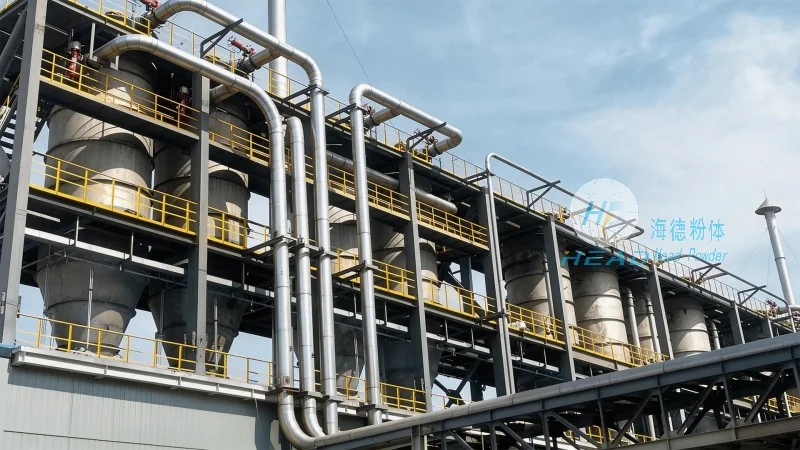
Preventing pipeline blockages in pneumatic conveying systems for magnesium oxide requires a combination of proper design, material understanding, and system optimization. Key parameters such as air velocity, pipe sizing, material conditioning, and system layout are critical to maintaining smooth operation. Companies like Shandong HeadPowder Engineering Co., Ltd. play a vital role in developing these solutions, ensuring that magnesium oxide can be transported safely and efficiently. By adhering to these design principles, industries can minimize downtime, reduce maintenance costs, and enhance overall operational performance.