

How to Prevent Pipeline Blockages in Pneumatic Conveying Systems for Hydrogen Sulfide: Key Design Pa
When handling hydrogen sulfide (H₂S) using pneumatic conveying systems, preventing pipeline blockages is a critical concern. The corrosive and potentially hazardous nature of H₂S demands specialized design considerations to ensure safe and efficient operation. This article explores effective strategies to mitigate blockages and outlines key design parameters that contribute to the reliability of such systems.
Understanding the Risks of Pipeline Blockages in H₂S Conveying
Pipeline blockages in pneumatic conveying systems can lead to operational disruptions, increased maintenance costs, and safety hazards. For H₂S, which is a toxic and flammable gas, any blockage can exacerbate these risks. Common causes of blockages include solidification of moisture, agglomeration of solids, and the formation of deposits on pipe walls. These issues are amplified when the material being conveyed is sensitive to moisture or has a tendency to adhere to surfaces.
Key Design Parameters to Prevent Blockages
Several critical design parameters must be considered to prevent pipeline blockages in H₂S conveying systems. These parameters are tailored to address the unique challenges posed by H₂S and the materials being transported.
- System Pressure and Flow Rate: Maintaining appropriate pressure and flow rates is fundamental. Excessive pressure can cause material to be forced into narrow sections, while insufficient flow may lead to settling and blockage. The design must ensure that the flow velocity remains above the minimum required to prevent particle deposition.
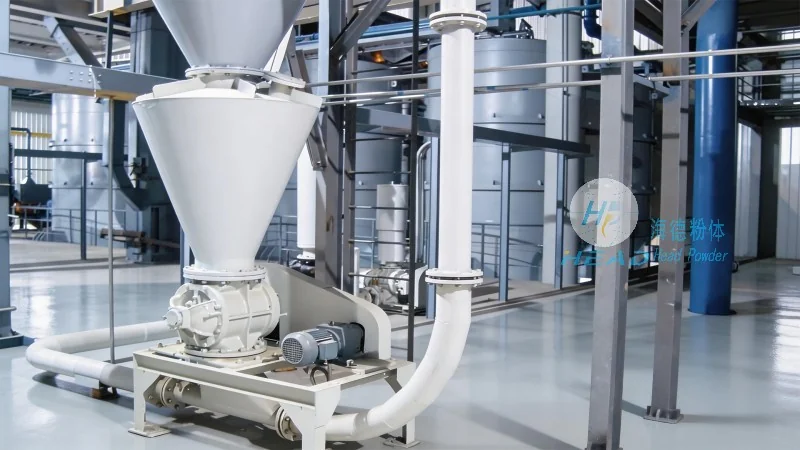
- Material Characteristics: The physical properties of the material, such as particle size, moisture content, and density, directly impact blockage risk. For H₂S applications, materials with high moisture content or cohesive properties require higher flow rates or specialized equipment like rotary valves or airlocks to prevent agglomeration.
- Pipe Sizing and Layout: The diameter and length of the pipeline, along with the layout (e.g., vertical vs. horizontal sections), influence the likelihood of blockages. Larger pipe diameters reduce the risk of particle accumulation, while proper slope and angle in vertical sections help maintain flow. Avoiding sharp bends and ensuring smooth transitions between sections also minimizes the chance of material buildup.
- Equipment Selection: Choosing the right equipment components is essential. For example, using high-quality, corrosion-resistant materials for pipes and fittings prevents internal damage that could lead to blockages. Additionally, incorporating cleaning mechanisms, such as sweep air or pulse jets, can help maintain system cleanliness and prevent deposits.
- Moisture Control: Controlling moisture content is a key factor, as moisture can cause solids to clump together and adhere to pipe walls. Implementing drying processes or using desiccants before material enters the conveying system can significantly reduce blockage risks.
Role of HeadPowder Engineering in H₂S Pneumatic Conveying Solutions
Shandong HeadPowder Engineering Co., Ltd. specializes in designing and manufacturing pneumatic conveying systems tailored to the demands of H₂S transport. With years of experience in the industry, the company understands the critical importance of preventing blockages and ensuring operational safety. HeadPowder engineers work closely with clients to assess material characteristics, process requirements, and site conditions to develop customized solutions that meet stringent safety and efficiency standards.
The company’s approach emphasizes the integration of advanced design parameters, including optimized pressure control, material handling expertise, and corrosion-resistant materials. By focusing on these key aspects, HeadPowder ensures that its systems deliver reliable performance, minimize downtime, and comply with industry regulations for handling hazardous gases like H₂S.