

How to Prevent Pipeline Blockages in Sulfuric Nickel Conveying with Pneumatic Conveying Systems? Key
When it comes to handling sulfuric nickel, the efficiency and reliability of material transport systems are paramount. Pneumatic conveying systems have emerged as a preferred solution for many industrial applications due to their ability to transport bulk materials like sulfuric nickel over long distances without the need for complex machinery. However, a common challenge in such systems is the risk of pipeline blockages, which can lead to operational disruptions and increased maintenance costs. Understanding how to prevent these blockages through proper system design is crucial for maintaining smooth operations.
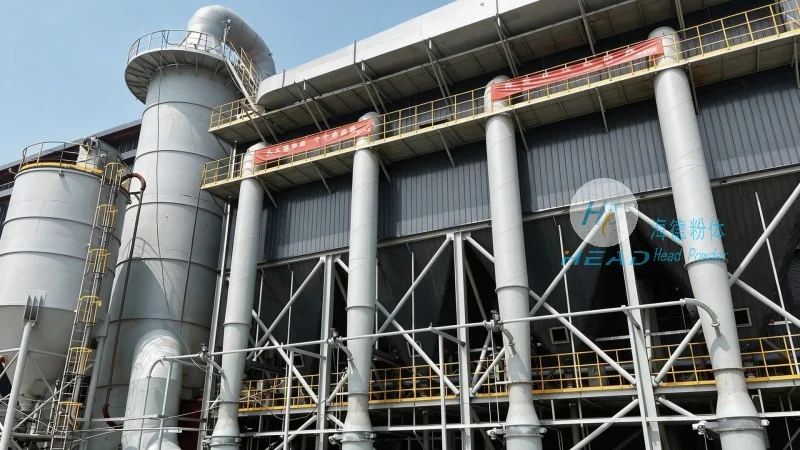
Understanding the Risks of Pipeline Blockages in Sulfuric Nickel Conveying
Sulfuric nickel, being a fine or semi-fine powder, has specific properties that can contribute to blockages in pneumatic conveying pipelines. Factors such as particle size distribution, moisture content, and the presence of agglomerates can all affect the flow characteristics of the material. When these particles accumulate in the pipeline, they can form a solid plug, leading to system shutdowns. It is essential to address these factors proactively to ensure consistent material flow.
Key Design Parameters for Preventing Blockages in Pneumatic Conveying Systems
Several critical design parameters must be considered when designing a pneumatic conveying system for sulfuric nickel to minimize the risk of blockages. The first parameter is the air velocity, which needs to be maintained at an optimal level to ensure that the material particles are fully entrained and transported without settling. Typically, higher air velocities are required for finer particles to prevent them from settling and forming deposits. Another important parameter is the pipeline diameter, as larger diameters can reduce the risk of blockages by providing more space for material flow and reducing friction losses.
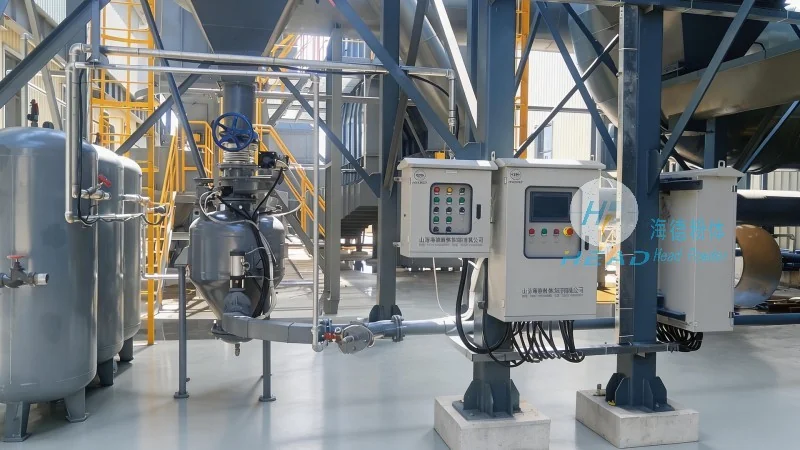
Material Properties and Their Impact on System Design
The physical and chemical properties of sulfuric nickel play a significant role in determining the appropriate design of the pneumatic conveying system. Particle size and shape influence the air velocity required for proper transport. For example, finer particles may require higher air velocities to prevent them from sticking to the pipeline walls. Moisture content is another critical factor; excessive moisture can cause the material to agglomerate, leading to blockages. Therefore, controlling moisture levels before conveying is essential. Additionally, the density and bulk density of the material affect the system's capacity and the energy required for transport.
System Configuration and Blockage Prevention Strategies
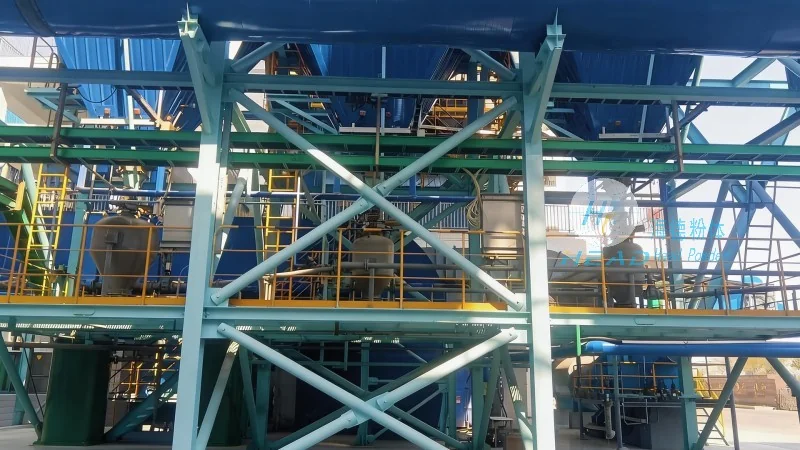
The configuration of the pneumatic conveying system, including the type of conveying (e.g., dilute phase or dense phase), also impacts the risk of blockages. Dilute phase systems, which use higher air velocities, are generally more effective for preventing blockages in fine materials like sulfuric nickel. However, dense phase systems, which use lower air velocities and higher material concentrations, may be suitable for handling larger particles or when space constraints require a different approach. In either case, incorporating features such as pulse jets or air knives can help maintain consistent flow and prevent material buildup.
Role of Equipment Selection in Minimizing Blockages
The choice of equipment components is vital in preventing pipeline blockages. The material of construction for the pipeline and components must be compatible with sulfuric nickel to avoid corrosion or chemical reactions that could affect the material's flow properties. For instance, stainless steel or special alloys may be required to handle the acidic nature of sulfuric nickel. Additionally, the design of the feeders and valves is crucial. Properly sized and controlled feeders ensure a consistent material feed rate, preventing surges that could lead to blockages. The use of rotary valves or star feeders can help maintain a steady flow and prevent material accumulation at the inlet.
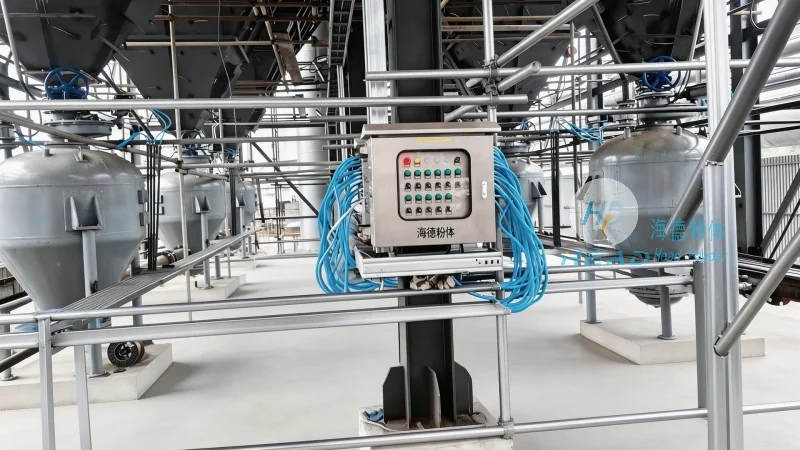
Monitoring and Maintenance Practices for Blockage Prevention
Even with optimal design, regular monitoring and maintenance are necessary to prevent blockages. Installing flow meters and pressure sensors allows operators to detect any changes in flow characteristics that may indicate the onset of a blockage. Regular cleaning of the pipeline and components, especially after periods of low activity or when handling different materials, is essential. Additionally, implementing a preventive maintenance schedule can help identify and address potential issues before they lead to system failures.
Conclusion: Ensuring Efficient Sulfuric Nickel Conveying with Proper System Design
Preventing pipeline blockages in pneumatic conveying systems for sulfuric nickel requires a comprehensive approach that considers material properties, system design parameters, and operational practices. By optimizing air velocity, pipeline diameter, and system configuration, and by selecting appropriate equipment and implementing regular maintenance, operators can significantly reduce the risk of blockages and ensure reliable material transport. The expertise of companies like Shandong HeadPowder Engineering Co., Ltd. in designing and implementing such systems is crucial for achieving these goals and maintaining operational efficiency in sulfuric nickel handling applications.