

Preventing Pipeline Blockages in Silicomanganese Conveying with Pneumatic Systems: Key Design Parame
When it comes to the efficient and reliable transport of silicomanganese, a critical challenge that industrial operations face is the prevention of pipeline blockages. Silicomanganese, a vital alloy used in steelmaking, often presents unique challenges during pneumatic conveying due to its physical and chemical properties. To address this, understanding and implementing the right design parameters for pneumatic conveying systems is essential. This article explores how to prevent pipeline blockages in silicomanganese conveying and highlights the key design parameters that contribute to a smooth and uninterrupted operation.
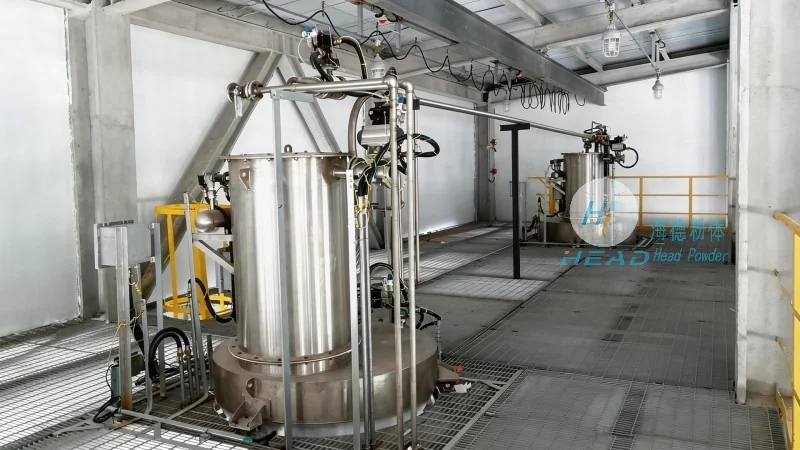
Understanding Silicomanganese and Its Conveying Challenges
Silicomanganese is an alloy composed primarily of manganese and silicon, with varying carbon content depending on the application. Its granular or powder form, combined with its tendency to agglomerate or form clumps, makes it susceptible to bridging, rat-holing, and other blockage issues during pneumatic transport. Unlike bulk materials like coal or cement, silicomanganese requires a more nuanced approach to ensure that the conveying system operates without interruptions. The material's density, flowability, and moisture content are all factors that influence its behavior in the pipeline, making it crucial to tailor the pneumatic system design accordingly.
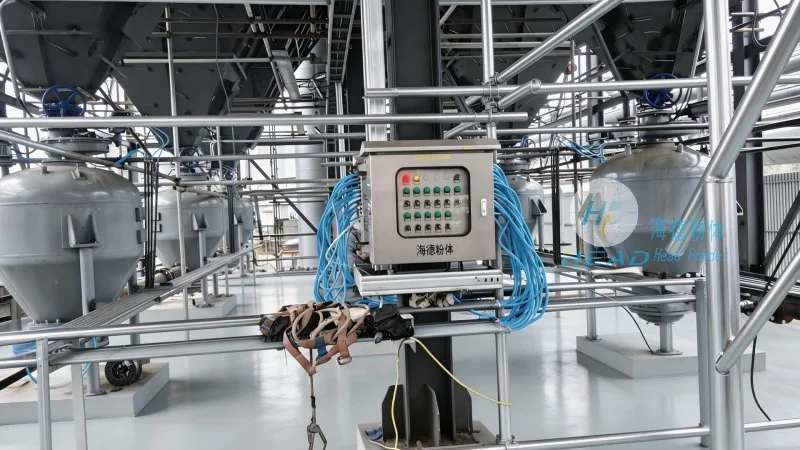
Key Design Parameters for Preventing Blockages in Silicomanganese Conveying
Several design parameters are critical in preventing pipeline blockages when conveying silicomanganese. The first is the air velocity and pressure within the pipeline. Maintaining an optimal air velocity that is sufficient to keep the material in suspension but not excessively high to cause erosion or excessive energy consumption is paramount. For silicomanganese, a typical air velocity range is between 20 to 30 meters per second, depending on the particle size and density. The pressure drop across the system also needs to be carefully managed to avoid excessive pressure differentials that could lead to material settling or blockage. Proper sizing of the pipeline diameter is another critical parameter; too small a diameter can cause high friction losses and increase the risk of blockage, while too large a diameter may lead to inefficient material suspension and higher operational costs.
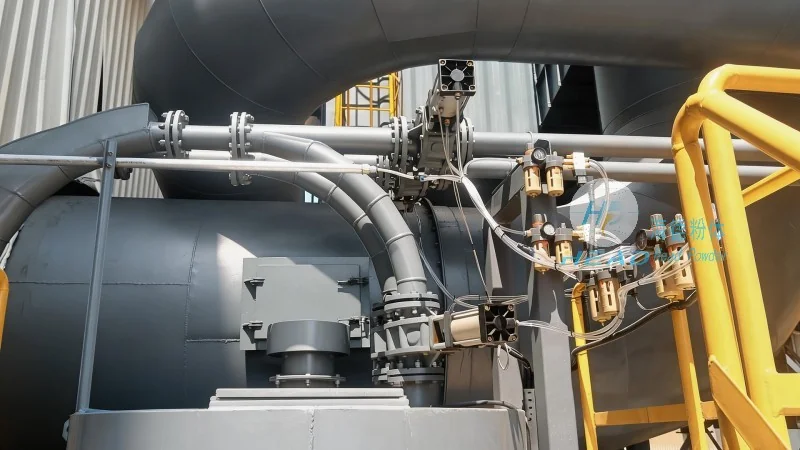
Another key design parameter is the use of appropriate conveying equipment, such as rotary valves or feeder units, to ensure a consistent and controlled feed of silicomanganese into the system. These devices help prevent surges or uneven material flow that can contribute to blockages. The design of the material inlet and the transition from the feeder to the pipeline is also important. Sharp bends or abrupt changes in pipe diameter can cause material to settle and form blockages, so gradual transitions and smooth bends are recommended. Additionally, incorporating features like air cannons or vibrators in the pipeline can help break up any agglomerates that may form and prevent them from growing into larger blockages.
The Role of HeadPowder Engineering in Silicomanganese Conveying Solutions
Shandong HeadPowder Engineering Co., Ltd., commonly known as HeadPowder, specializes in the design and implementation of advanced pneumatic conveying systems tailored to the unique needs of industrial materials like silicomanganese. With a deep understanding of material behavior and conveying principles, HeadPowder engineers develop customized solutions that address the specific challenges associated with silicomanganese transport. The company's expertise lies in optimizing key design parameters such as air velocity, pressure, and pipeline sizing to ensure efficient and blockage-free operation. By leveraging years of experience in the field, HeadPowder provides comprehensive solutions that include system design, equipment selection, and installation services, all aimed at maximizing the reliability and performance of silicomanganese conveying operations.
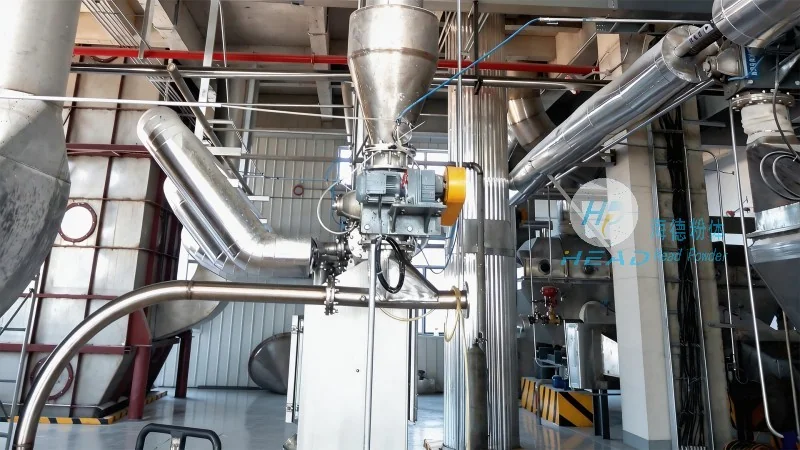
Conclusion: Ensuring Reliable Silicomanganese Transport with Proper Design
Preventing pipeline blockages in silicomanganese conveying is a multifaceted challenge that requires careful consideration of several key design parameters. By optimizing air velocity and pressure, ensuring proper pipeline sizing, using appropriate feeding equipment, and incorporating features to break up agglomerates, industrial operations can significantly reduce the risk of blockages and improve the overall efficiency of their pneumatic conveying systems. Companies like Shandong HeadPowder Engineering Co., Ltd. play a crucial role in providing tailored solutions that address these challenges, helping clients achieve reliable and uninterrupted transport of silicomanganese for their steelmaking processes. With the right design and engineering expertise, silicomanganese can be conveyed safely and efficiently, minimizing downtime and maximizing productivity.