

How to Prevent Pipeline Blockages in Pneumatic Conveying Systems for Zinc Concentrate Transport? Key
For industries dealing with zinc concentrate processing, efficient material handling is crucial. Pneumatic conveying systems offer a solution, but challenges like pipeline blockages can disrupt operations. Understanding the design parameters that prevent such issues is essential for maintaining smooth and reliable transport of zinc concentrate.
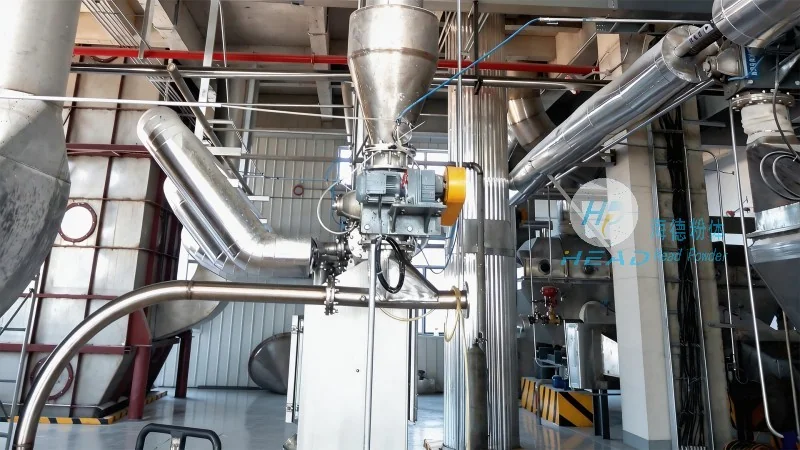
HeadPowder, a leading engineering firm based in Shandong, China, specializes in developing tailored pneumatic conveying solutions. With years of experience in the field, the company focuses on optimizing systems to meet the specific demands of zinc concentrate transport, ensuring durability and performance.
Common Causes of Pipeline Blockages in Zinc Concentrate Transport
Several factors contribute to blockages in pneumatic conveying systems used for zinc concentrate. The abrasive nature of the material, combined with its particle size distribution, can lead to wear and tear on components. Additionally, moisture content and the presence of sticky or cohesive particles increase the risk of agglomeration, which clogs the pipeline. Proper system design must address these challenges to prevent operational disruptions.
Key Design Parameters to Prevent Pipeline Blockages
Effective prevention of pipeline blockages in pneumatic conveying systems for zinc concentrate involves several critical design considerations. The first is the selection of appropriate air velocity, which must be high enough to maintain material suspension but not so high as to cause excessive wear on the system components. HeadPowder recommends maintaining air velocities between 20-30 m/s for most zinc concentrate applications, balancing material transport with system longevity.
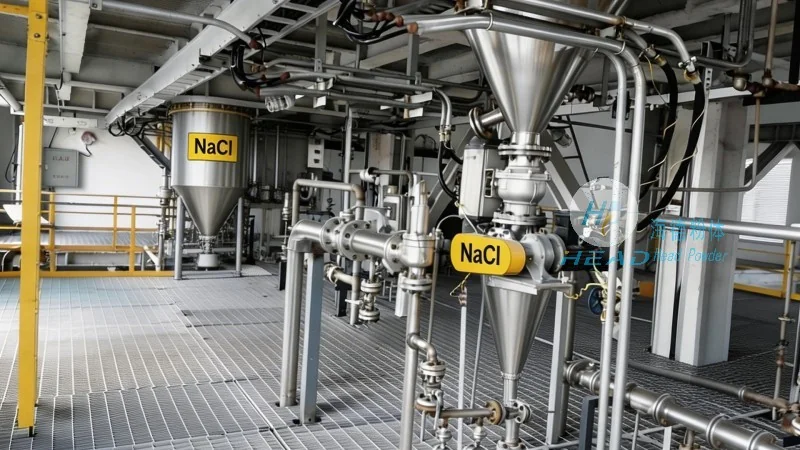
Another crucial parameter is the pipe diameter. Larger diameters reduce friction losses and the likelihood of particle accumulation, while smaller diameters may increase the risk of blockages. For zinc concentrate, a pipe diameter of at least 100 mm is often recommended to accommodate the particle size and flow rates. The company’s engineers also emphasize the importance of using smooth, corrosion-resistant materials for the pipeline, such as stainless steel or high-density polyethylene, to minimize wear and prevent material buildup.
Furthermore, the design of the conveying line layout plays a significant role. Avoiding sharp bends and ensuring gradual changes in direction reduces the risk of particle deposition. HeadPowder’s design team incorporates curved or helical bends with appropriate radii to maintain consistent air flow and prevent stagnation points where material can settle and block the pipe. The inclusion of airlocks or rotary valves at transfer points also helps to control the flow and prevent backflow, which can lead to blockages.
Moisture control is another critical factor. Zinc concentrate often contains moisture, which can cause the material to clump together, leading to blockages. Implementing drying systems or using desiccants in the conveying line can reduce moisture content and improve material flowability. HeadPowder’s solutions may include integrated moisture control units that monitor and adjust the system to maintain optimal conditions.
System Maintenance and Optimization for Reliable Transport
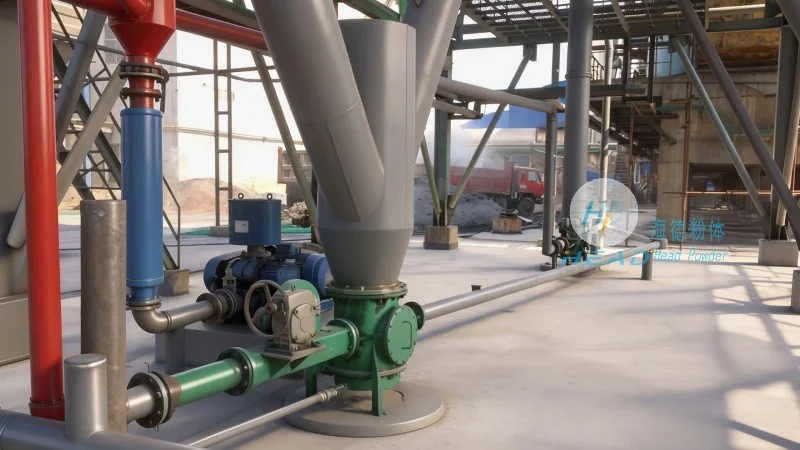
Even with optimal design, regular maintenance is essential to prevent blockages and ensure the longevity of the pneumatic conveying system. HeadPowder advises routine inspections of the pipeline for signs of wear or corrosion, as well as checking the air pressure and flow rates to ensure they remain within the recommended parameters. Cleaning the system periodically, especially after long periods of inactivity or changes in material composition, can remove accumulated debris and prevent future blockages.
The use of advanced monitoring technologies, such as pressure sensors and flow meters, can provide real-time data on system performance. This allows operators to detect potential issues early and take corrective action before blockages occur. HeadPowder’s systems often integrate these monitoring tools, enabling proactive maintenance and reducing downtime.
Conclusion: Ensuring Efficient Zinc Concentrate Transport with Pneumatic Conveying
Preventing pipeline blockages in pneumatic conveying systems for zinc concentrate transport requires a comprehensive approach that considers material properties, system design, and operational practices. By focusing on key design parameters such as air velocity, pipe diameter, and layout, along with proper maintenance and monitoring, industries can achieve reliable and efficient material handling. HeadPowder Engineering Co., Ltd., with its expertise in engineering tailored solutions, helps clients optimize their pneumatic conveying systems to minimize blockages and maximize productivity in zinc concentrate processing.