

How to Prevent Pipeline Blockages in Baryte Conveying with Pneumatic Conveying Systems? Key Design P
Baryte, also known as barite, is a mineral widely used in various industrial applications, including oil drilling, paint manufacturing, and medical imaging. When transporting baryte via pneumatic conveying systems, preventing pipeline blockages is a critical challenge. This article explores effective strategies to mitigate blockages and highlights key design parameters that ensure smooth and efficient baryte transport. The information is provided by Shandong HeadPowder Engineering Co., Ltd., a leading provider of pneumatic conveying solutions based in China.
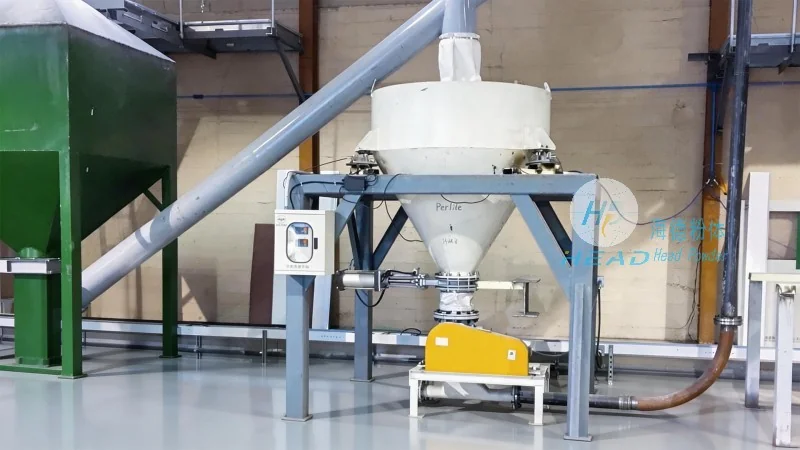
Understanding the Challenges of Baryte Conveying with Pneumatic Systems
Before delving into solutions, it's essential to understand why baryte can cause blockages in pneumatic pipelines. Baryte particles are typically dense and have a high specific gravity, which can lead to increased friction and reduced flow rates. Additionally, the mineral's moisture content and particle size distribution play significant roles in the likelihood of blockages. Inadequate system design or operation can exacerbate these issues, resulting in downtime and increased maintenance costs.
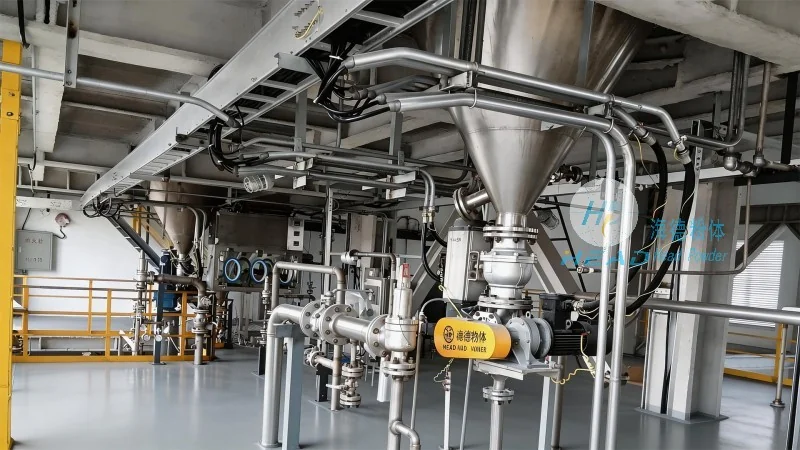
Key Design Parameters for Preventing Blockages in Baryte Pneumatic Conveying
Several critical design parameters must be considered when designing a pneumatic conveying system for baryte to minimize the risk of blockages. The first is the air velocity, which must be sufficient to maintain the particles in suspension. For baryte, an air velocity of at least 20-25 meters per second is often recommended to ensure proper flow. Another crucial parameter is the pipe diameter, as larger diameters reduce friction and allow for smoother particle movement. The system's pressure and flow rate must also be optimized to match the baryte's properties and the required conveying distance.
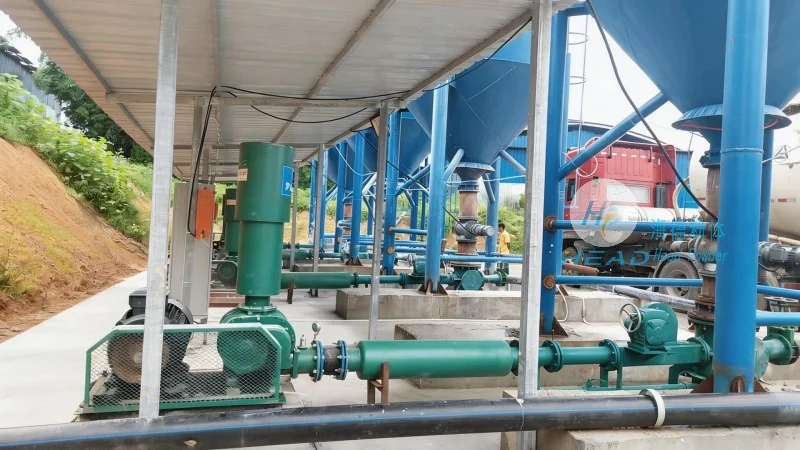
Furthermore, the use of appropriate materials for the pipeline and components is vital. Baryte particles are abrasive, and using high-quality, corrosion-resistant materials such as stainless steel or special alloys can extend the system's lifespan and reduce the risk of internal wear that may contribute to blockages. The inclusion of pulse jets or air cannons in the system can also help dislodge any accumulated particles and prevent the formation of solid plugs.
System Configuration and Operational Strategies
The configuration of the pneumatic conveying system itself is another key factor in preventing blockages. A well-designed system often includes multiple conveying lines or a loop system that allows for continuous operation and reduces the risk of stagnation. The placement of in-line mixers or agitators can help maintain particle suspension and prevent settling. Operational strategies, such as regular system cleaning and monitoring of pressure and flow rates, are also essential to detect and address potential blockage issues before they become severe.
Conclusion
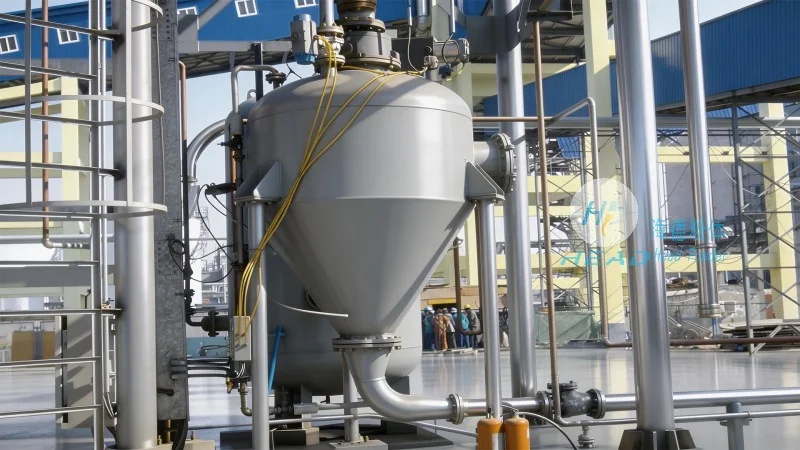
Preventing pipeline blockages in baryte pneumatic conveying systems requires a comprehensive approach that considers both design parameters and operational strategies. By optimizing air velocity, pipe diameter, and system pressure, and by selecting appropriate materials and incorporating preventive measures like pulse jets, baryte transport can be conducted efficiently and reliably. Shandong HeadPowder Engineering Co., Ltd. specializes in providing tailored pneumatic conveying solutions that address these challenges, ensuring that baryte is transported safely and effectively to its destination.