

Preventing Pipeline Blockages in Bentonite Conveying with Pneumatic Systems: Key Design Parameters
Bentonite, a versatile clay material widely used in various industrial applications such as drilling fluids, foundry sands, and construction materials, often presents unique challenges during material handling. One of the most critical issues in pneumatic conveying of bentonite is the risk of pipeline blockages, which can lead to operational downtime, increased maintenance costs, and reduced productivity. To address this, understanding and implementing the right design parameters in pneumatic conveying systems is essential. This article explores effective strategies to prevent pipeline blockages in bentonite conveying and highlights the key design parameters that contribute to a reliable and efficient system.
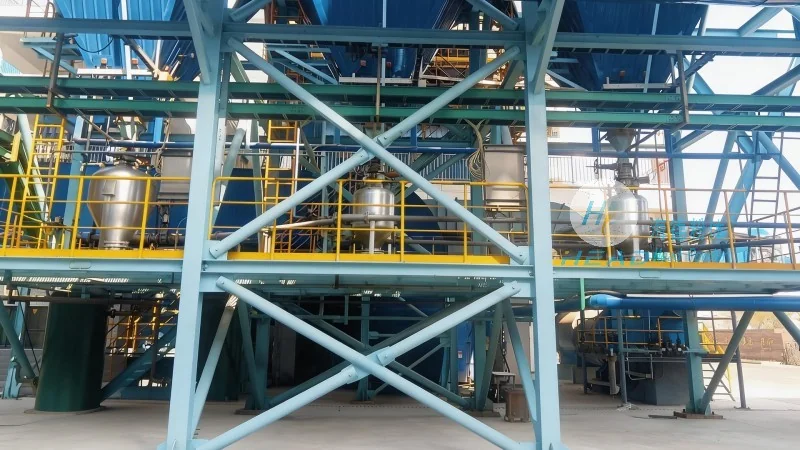
Understanding Bentonite's Properties and Their Impact on Pneumatic Conveying
Before delving into design parameters, it's crucial to understand the physical and chemical properties of bentonite that influence its behavior in a pneumatic system. Bentonite is known for its high moisture content, cohesive nature, and tendency to agglomerate. These characteristics can cause particles to stick together or adhere to the inner walls of the pipeline, leading to blockages. The particle size distribution, moisture level, and density of bentonite are critical factors that affect the system's performance. For instance, finer particles are more prone to sticking, while higher moisture content can increase the material's viscosity, making it harder to transport. Recognizing these properties allows engineers to tailor the pneumatic system design to mitigate blockage risks.
Key Design Parameters for Preventing Pipeline Blockages in Bentonite Conveying
Several key design parameters play a vital role in preventing pipeline blockages during bentonite pneumatic conveying. The first and most critical parameter is the air-to-solid ratio (ASR), which determines the velocity of the conveying air. An optimal ASR ensures that the material is fully suspended and transported without settling or sticking. Typically, higher ASR values are recommended for fine or cohesive materials like bentonite to maintain a stable flow. The pipeline diameter is another critical factor; larger diameters reduce friction losses and the likelihood of particle accumulation on the pipe walls. However, excessively large diameters may increase system costs and energy consumption. The conveying velocity must be sufficient to keep the material in suspension but not so high as to cause excessive wear on the pipeline or components. For bentonite, velocities ranging from 20 to 30 meters per second are commonly used, depending on the particle size and moisture content.
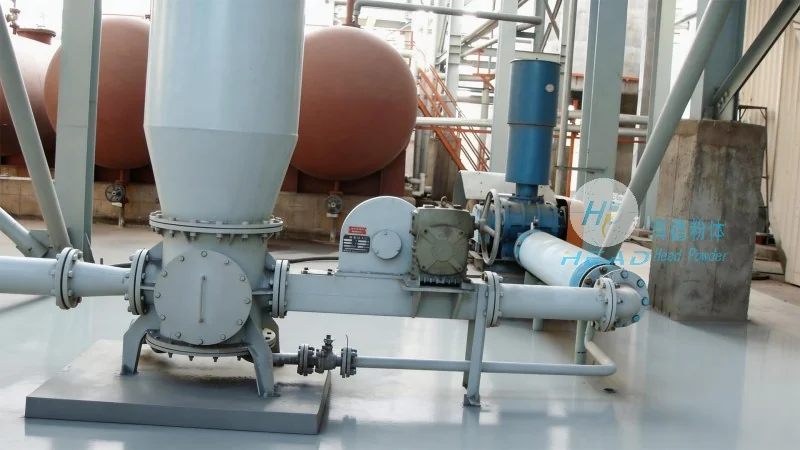
The system pressure and air flow rate are also essential design considerations. Higher pressure can improve the conveying capacity but may increase the risk of blockages if not balanced with the ASR. Proper air flow rate ensures consistent material transport and prevents stagnation points where blockages are likely to occur. Additionally, the pipeline layout and the inclusion of appropriate components such as expansion joints, bends, and filters are crucial. Smooth transitions and gradual bends reduce the risk of particle impact and accumulation. The use of flexible connectors and expansion joints can accommodate thermal expansion and reduce stress on the pipeline, minimizing the chance of cracks or leaks that could lead to blockages.
Role of Equipment Selection in Minimizing Blockages
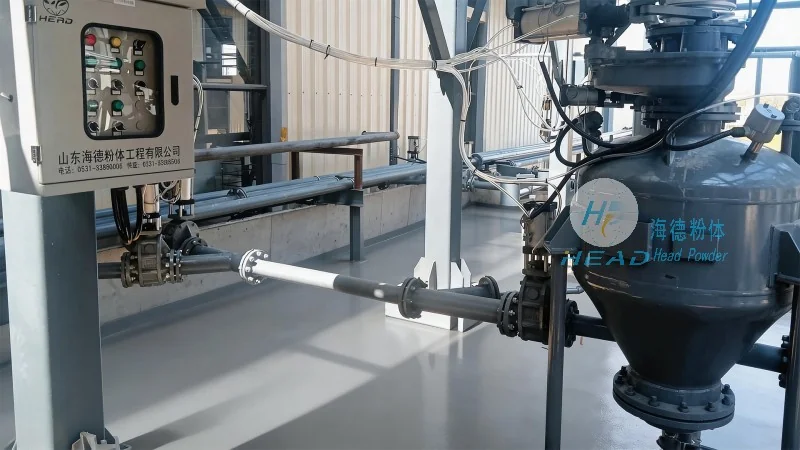
The choice of equipment in a pneumatic conveying system significantly impacts its ability to handle bentonite without blockages. The feed system, including hoppers and feeders, must be designed to provide a consistent flow of material without causing segregation or agglomeration. Screw feeders or rotary valves are commonly used for bentonite, as they can handle cohesive materials without causing blockages. The conveying line itself, typically made of stainless steel or other corrosion-resistant materials, should have smooth inner surfaces to prevent material buildup. The receiver or discharge hopper must be designed to allow for easy cleaning and prevent material accumulation at the discharge point. Regular maintenance of these components is essential to ensure the system operates efficiently and avoids blockages.
Case Study: Successful Implementation by Shandong HeadPowder Engineering Co., Ltd.
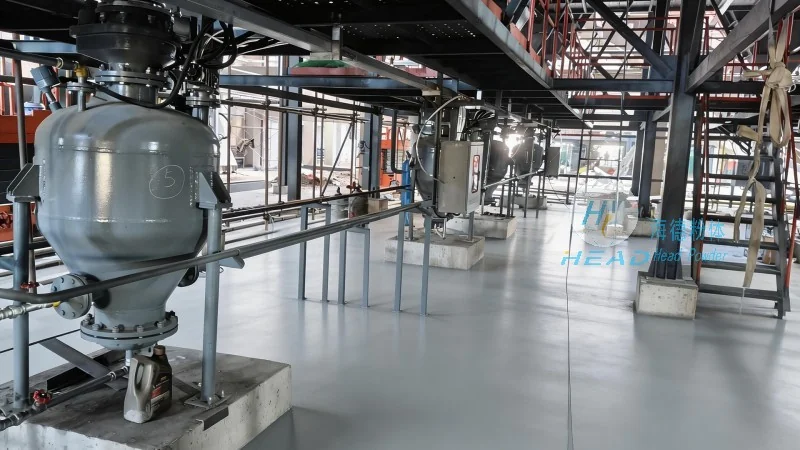
Shandong HeadPowder Engineering Co., Ltd., a leading provider of pneumatic conveying solutions, has successfully implemented systems to prevent blockages in bentonite conveying for various clients. By applying the key design parameters discussed above, the company has developed customized solutions that meet the specific needs of each application. For example, in a project involving the transport of bentonite for drilling fluid production, HeadPowder designed a system with an optimal ASR of 1.5:1, a pipeline diameter of 150 mm, and conveying velocities of 25 m/s. The system included flexible expansion joints and a high-efficiency filter to ensure smooth operation. The result was a reliable system with minimal downtime and reduced maintenance costs. This case study demonstrates the effectiveness of proper design and equipment selection in preventing pipeline blockages in bentonite conveying.
Conclusion: Ensuring Efficient and Reliable Bentonite Conveying
In conclusion, preventing pipeline blockages in bentonite pneumatic conveying requires a comprehensive approach that considers the material's properties, system design parameters, and equipment selection. By optimizing the air-to-solid ratio, pipeline diameter, conveying velocity, and system pressure, along with proper equipment and layout, engineers can significantly reduce the risk of blockages and ensure efficient material transport. Shandong HeadPowder Engineering Co., Ltd. specializes in providing tailored pneumatic conveying solutions that address these challenges, helping clients achieve reliable and cost-effective bentonite handling. With their expertise in system design and implementation, HeadPowder continues to deliver high-quality solutions that meet the demands of the industry.