

How Air Conveying Systems Prevent Pipeline Blockages in Aluminum Battery Handling: Key Design Parame
Efficient material handling is critical in the aluminum battery manufacturing and processing industry. Among the various methods available, air conveying systems have emerged as a reliable solution for transporting aluminum batteries and related components. However, a common challenge in such operations is the risk of pipeline blockages, which can lead to production delays and increased maintenance costs. Understanding how to prevent these blockages and the key design parameters involved is essential for optimizing system performance and ensuring smooth operations.
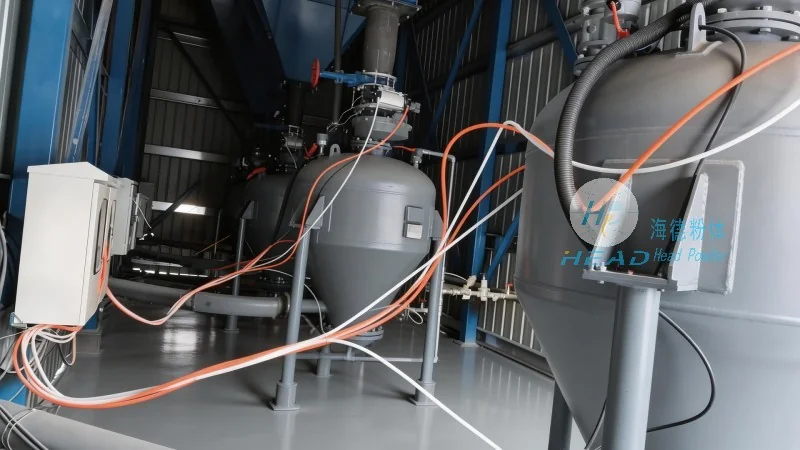
Understanding the Risks of Pipeline Blockages in Aluminum Battery Handling
Aluminum batteries, with their unique physical properties such as irregular shapes, varying sizes, and sometimes sticky or abrasive surfaces, present specific challenges during air conveying. These characteristics can lead to material accumulation, agglomeration, or even complete blockage of the conveying pipeline if the system is not properly designed or operated. Blockages can occur due to factors like inadequate air velocity, improper particle size distribution, or insufficient separation of materials. The consequences of such incidents range from minor operational disruptions to significant downtime, impacting overall productivity and cost efficiency.
Key Design Parameters for Preventing Pipeline Blockages
Several critical design parameters must be considered when implementing an air conveying system for aluminum battery handling to minimize the risk of blockages. These parameters are tailored to the specific characteristics of the material and the operational requirements of the facility.
1. Air Velocity and Flow Rate
The air velocity within the conveying pipeline is a primary factor in preventing blockages. Insufficient air velocity can cause material to settle and accumulate, while excessive velocity may lead to excessive wear on components and energy inefficiency. The optimal air velocity is typically determined based on the material's density, particle size, and the system's length and layout. For aluminum batteries, a balanced velocity that ensures consistent material suspension without causing excessive stress is crucial. This parameter is often calculated using empirical formulas or through pilot testing to achieve the right balance between conveying efficiency and system durability.
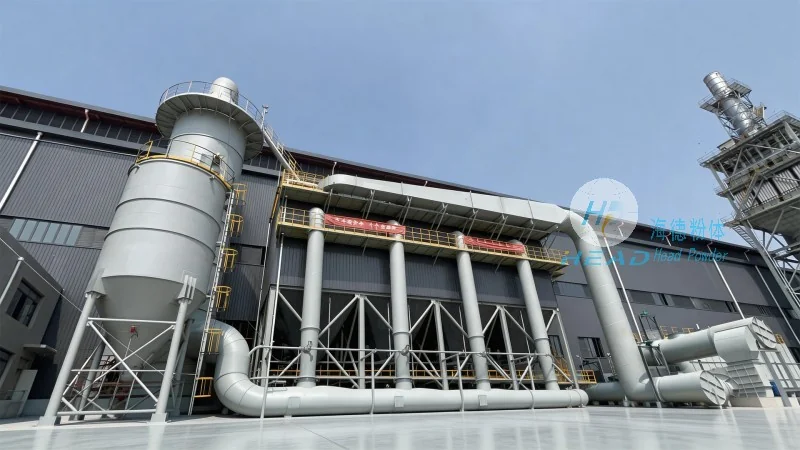
2. Conveying System Layout and Pipeline Design
The physical layout of the air conveying system, including the pipeline diameter, bends, and vertical sections, plays a significant role in preventing blockages. A well-designed layout minimizes the number of sharp turns and vertical drops, which can cause material to settle or impact the pipeline walls. The use of smooth, corrosion-resistant materials for the pipeline, such as stainless steel or high-grade plastic, is essential to prevent material adhesion and wear. Additionally, incorporating features like expansion joints or flexible connectors can help accommodate thermal expansion and reduce stress on the system, further reducing the risk of blockages.
3. Material Separation and Conditioning
Proper material separation and conditioning are vital to ensure that the aluminum batteries are conveyed in a uniform manner, reducing the likelihood of agglomeration. Pre-processing steps, such as screening or magnetic separation, can help remove foreign objects or oversized particles that may cause blockages. Conditioning equipment, like vibrators or air classifiers, can also be used to break up clumps and ensure consistent particle size distribution. By maintaining a uniform material flow, the system can operate more efficiently and avoid the buildup of material that leads to blockages.
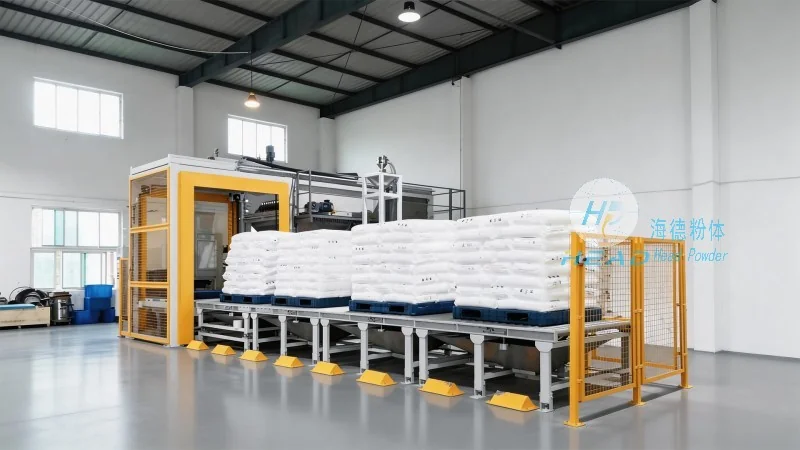
4. System Sizing and Capacity
The overall capacity of the air conveying system must be matched to the production requirements of the aluminum battery facility. Overloading the system with more material than it can handle at a given air velocity can lead to blockages. Proper sizing involves calculating the required conveying rate based on the material's bulk density, the desired throughput, and the system's design parameters. This ensures that the system operates within its optimal range, preventing excessive pressure drops and material accumulation.
Role of Shandong HeadPowder Engineering Co., Ltd. in Designing Effective Air Conveying Systems
Shandong HeadPowder Engineering Co., Ltd., a leading provider of air conveying solutions, specializes in designing and implementing systems tailored to the unique needs of aluminum battery manufacturers. With years of experience in the industry, the company understands the critical importance of preventing pipeline blockages and has developed advanced solutions to address this challenge. By leveraging expertise in material handling and system design, HeadPowder engineers work closely with clients to assess their specific operational requirements and material characteristics, ensuring that the final system is optimized for efficiency and reliability.
Conclusion: Optimizing Air Conveying Systems for Aluminum Battery Handling
Preventing pipeline blockages in air conveying systems for aluminum battery handling requires a comprehensive approach that considers multiple design parameters. By focusing on air velocity, system layout, material separation, and system capacity, manufacturers can significantly reduce the risk of blockages and improve overall operational efficiency. Companies like Shandong HeadPowder Engineering Co., Ltd. play a crucial role in providing expert guidance and tailored solutions to help aluminum battery producers achieve these goals, ensuring smooth and reliable material handling processes.