

How to Prevent Pipe Blockages in Pneumatic Conveying Systems for Seasoning Transport? Key Design Par
When it comes to transporting seasonings efficiently and safely, pneumatic conveying systems offer a reliable solution. However, a common challenge in such systems is the risk of pipe blockages, which can disrupt operations and lead to costly downtime. Understanding how to prevent these blockages and the key design parameters involved is crucial for maintaining smooth and uninterrupted seasoning transport. This article explores effective strategies and essential design considerations to ensure optimal performance in pneumatic conveying systems used for seasoning transport.
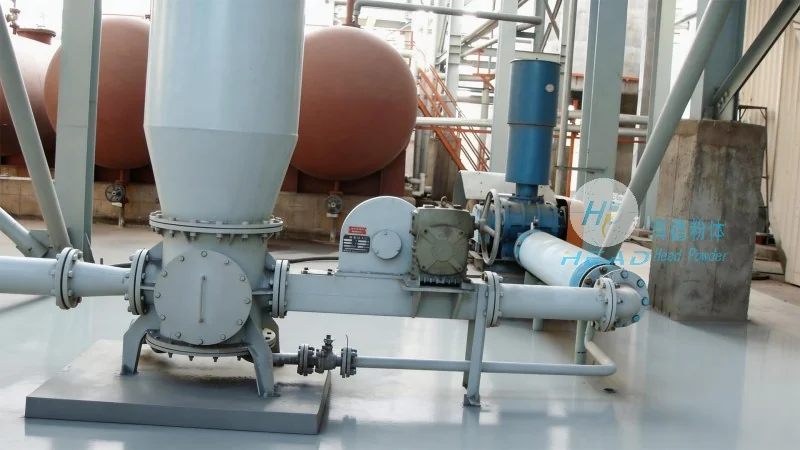
Understanding the Risks of Pipe Blockages in Seasoning Transport
Seasonings, such as spices, herbs, and flavor enhancers, often contain particles with varying sizes, shapes, and moisture content. These characteristics can contribute to the formation of blockages in pneumatic conveying pipelines. Blockages can occur due to factors like agglomeration, moisture absorption, or the accumulation of fine particles that adhere to the pipe walls. Recognizing these risks is the first step toward implementing preventive measures. By addressing the root causes of blockages, operators can enhance system reliability and reduce maintenance costs.
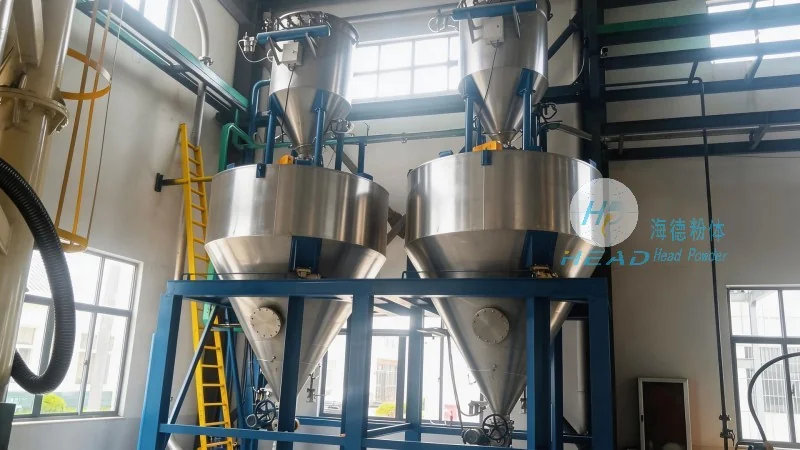
Key Design Parameters to Prevent Pipe Blockages
Several critical design parameters play a vital role in preventing pipe blockages in pneumatic conveying systems for seasonings. These parameters are tailored to the specific properties of the seasoning material and the operational requirements of the system. The following are key design considerations:
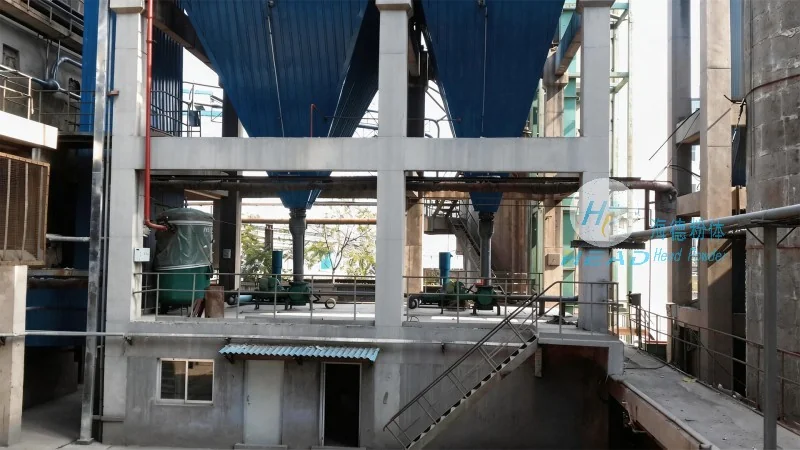
- Particle Size and Shape Analysis: The size and shape of seasoning particles directly impact the flow characteristics. Smaller, irregularly shaped particles are more prone to agglomeration and blockage. Therefore, conducting thorough particle size and shape analysis is essential. This helps in selecting appropriate equipment, such as rotary valves and airlocks, that can handle the material without causing clogging.
- Moisture Content Management: Seasonings with high moisture content are more likely to clump together, leading to blockages. Controlling moisture levels through drying processes or using desiccants can significantly reduce the risk of blockages. Proper moisture management ensures that the material remains in a free-flowing state during transport.
- Airflow Velocity and Pressure: The velocity and pressure of the air or gas used in the conveying system are critical. Insufficient airflow velocity can cause particles to settle and accumulate, while excessive pressure may lead to wear and tear on components. Optimizing airflow velocity and pressure based on the material's properties ensures smooth transport and prevents blockages.
- System Sizing and Layout: The diameter and length of the conveying pipes, as well as the layout of the system, influence the risk of blockages. Larger pipe diameters reduce the risk of particle accumulation, while proper system layout minimizes bends and turns that can trap particles. Designing the system with adequate pipe sizing and minimal obstructions is essential for preventing blockages.
- Material Handling Equipment Selection: The choice of equipment, such as feeders, airlocks, and separators, is crucial. Rotary valves and star valves are commonly used to control the flow of seasonings into the conveying system. Selecting equipment with appropriate capacity and design can prevent overloading and reduce the likelihood of blockages. Additionally, using self-cleaning airlocks can help maintain system efficiency and prevent clogging.
Implementation Strategies for Preventing Blockages
Along with proper design, implementing effective strategies can further enhance the prevention of pipe blockages in pneumatic conveying systems for seasonings. These strategies focus on operational practices and regular maintenance: