

How to Prevent Pipeline Blockages in Perlite Conveying with Pneumatic Systems? Key Design Parameters
Perlite, a lightweight, porous volcanic rock, is widely used in construction, horticulture, and industrial applications due to its thermal insulation properties and lightweight nature. When transporting perlite via pneumatic conveying systems, ensuring smooth operation and preventing pipeline blockages is critical for maintaining efficiency and reducing downtime. This article explores the challenges associated with perlite conveyance and outlines key design parameters that engineers must consider to mitigate blockages and ensure reliable performance.
About Shandong HeadPowder Engineering Co., Ltd.
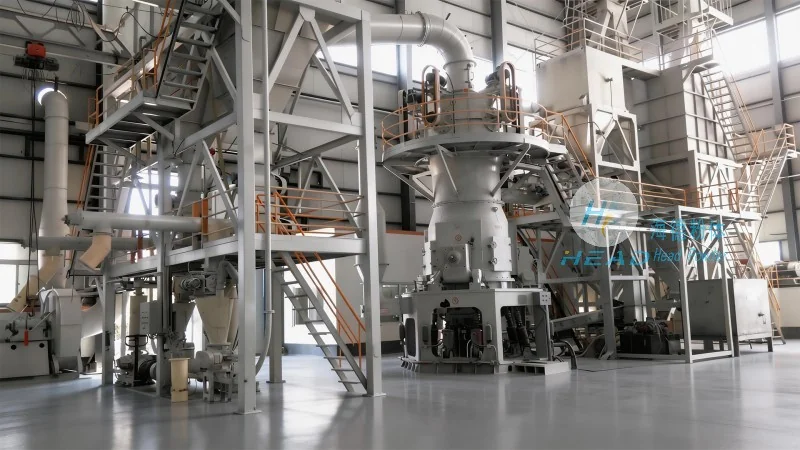
Shandong HeadPowder Engineering Co., Ltd., a leading provider of pneumatic conveying solutions, specializes in designing and manufacturing systems tailored to the unique requirements of bulk material handling. With a focus on innovation and customer satisfaction, the company has established itself as a trusted partner for industries dealing with challenging materials like perlite. HeadPowder’s expertise lies in optimizing system configurations to enhance reliability and minimize operational issues, such as blockages, which can significantly impact productivity.
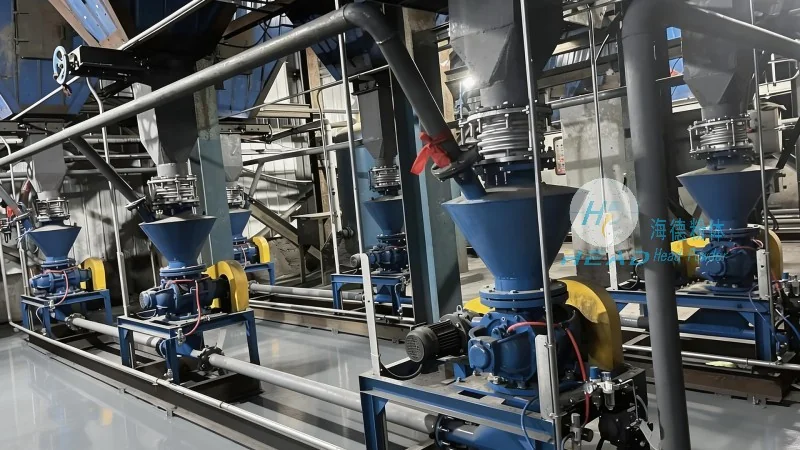
Common Causes of Pipeline Blockages in Perlite Conveying
The primary causes of blockages in perlite pneumatic conveying systems stem from the material's physical characteristics and the system's operational parameters. Perlite particles are typically lightweight and have a high surface area, which can lead to agglomeration or bridging within the pipeline if not properly managed. Additionally, the particle size distribution and density of perlite can affect how it behaves under airflow, making it susceptible to clogging in certain sections of the system. Another critical factor is the air-to-solid ratio (gas-solid ratio), which must be carefully balanced to maintain consistent flow without causing excessive pressure drops or particle separation.
Key Design Parameters for Preventing Blockages
Several key design parameters are essential for preventing pipeline blockages in perlite conveying systems. The first is the selection of appropriate pipeline diameter and material. Larger diameter pipes reduce the risk of particle accumulation and allow for smoother flow, while choosing corrosion-resistant materials like stainless steel or PVC is crucial to prevent material degradation over time. The second parameter is the air velocity or conveying velocity, which should be optimized to ensure that perlite particles are fully entrained by the air stream without settling. Typically, conveying velocities range from 20 to 30 meters per second for fine perlite particles, depending on the system's configuration. The third critical parameter is the air-to-solid ratio, which must be maintained at an optimal level to prevent particle separation and ensure consistent flow. A higher air-to-solid ratio can help prevent blockages by keeping particles suspended, but excessive air flow can increase energy consumption and cause pressure losses. Finally, the system's pressure drop and pressure control are vital. Properly designed pressure relief valves and flow control devices help maintain stable pressure, preventing sudden pressure spikes that can lead to blockages.
System Configuration and Optimization Strategies
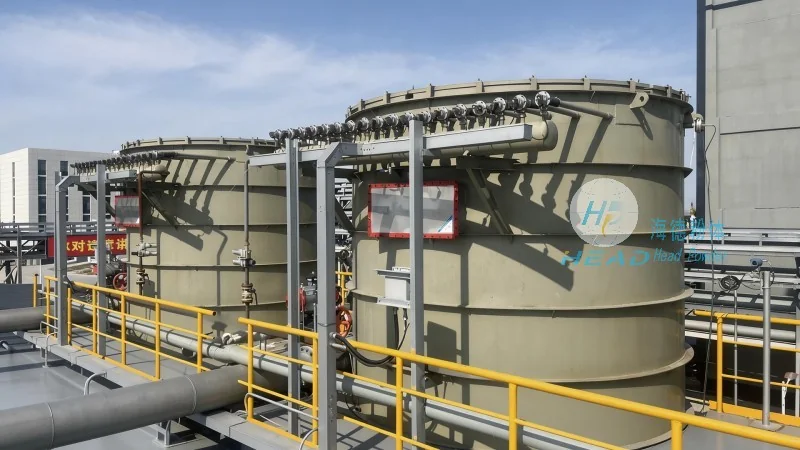
Engineers must also consider the overall system configuration to minimize the risk of blockages. This includes the use of appropriate bends, elbows, and fittings that are designed to minimize turbulence and particle separation. For example, using smooth, gradual bends rather than sharp angles can reduce the likelihood of particle accumulation in high-velocity areas. Additionally, incorporating inline filters or cyclones can help remove any fines or agglomerates that may cause blockages, ensuring that only clean, well-dispersed perlite enters the downstream equipment. Regular maintenance and monitoring of the system are also essential. Implementing a preventive maintenance schedule that includes inspections of pipeline condition, air filter performance, and pressure monitoring can help identify potential issues before they escalate into blockages. By combining proper design with regular maintenance, pneumatic conveying systems can effectively handle perlite without experiencing frequent blockages, ensuring reliable and efficient operation.