

How to Prevent Pipeline Blockages in Pneumatic Conveying Systems for Polyurethane? Key Design Parame
For industrial applications, polyurethane (PU) is a versatile material used in various sectors such as construction, automotive, and manufacturing. However, transporting PU powders or granules via pneumatic conveying systems presents unique challenges, particularly the risk of pipeline blockages. These blockages can lead to production downtime, increased maintenance costs, and potential safety hazards. Understanding and implementing effective design parameters are crucial to mitigate these issues and ensure smooth operation. This article explores how to prevent pipeline blockages in pneumatic conveying systems for polyurethane and highlights the key design parameters that engineers must consider.
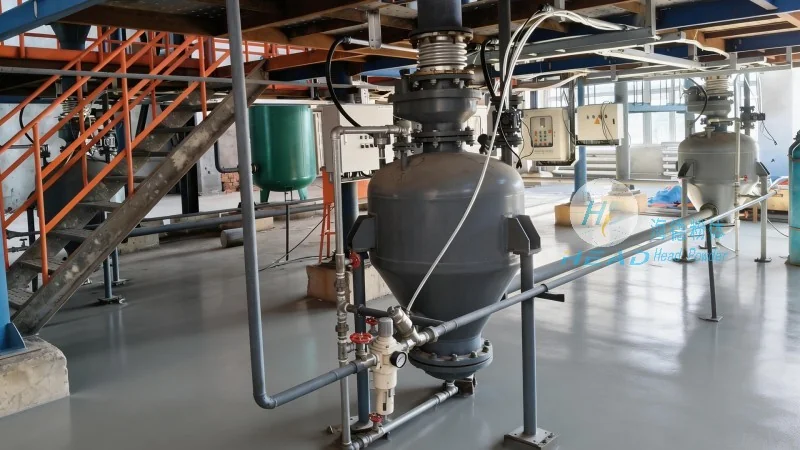
Introduction to Pneumatic Conveying for Polyurethane
Pneumatic conveying systems use air or other gases to transport bulk materials like polyurethane powders or granules from one location to another. Unlike mechanical conveying methods, pneumatic systems offer advantages such as flexibility in layout, reduced material degradation, and the ability to handle materials with high moisture content or abrasive properties. However, the nature of PU materials—often fine powders or irregularly shaped granules—makes them prone to agglomeration and blockage when not properly managed. The key to successful operation lies in optimizing system design to match the material's characteristics and operational requirements.
About HeadPowder: Expert in Pneumatic Conveying Solutions
HeadPowder, a leading provider of pneumatic conveying systems, specializes in custom solutions tailored to the needs of industries handling polyurethane and other challenging materials. With years of experience and a deep understanding of material behavior, HeadPowder's team of engineers develops systems that ensure efficient, reliable, and safe material transport. The company's headquarters is located in Shandong, China, where it leverages advanced technology and rigorous quality control to deliver high-performance pneumatic conveying equipment. By focusing on material-specific design, HeadPowder helps clients minimize blockages and maximize productivity in their PU handling processes.
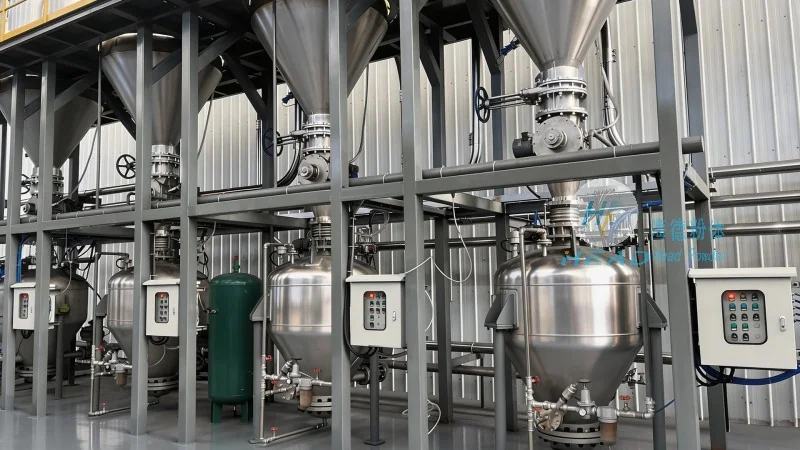
Common Causes of Pipeline Blockages in PU Conveying
Pipeline blockages in pneumatic conveying systems for polyurethane are typically caused by several factors. One primary reason is the agglomeration of fine PU powders due to moisture, static electricity, or improper mixing. When particles stick together, they can form a solid mass that obstructs the flow of air and material. Another factor is the incorrect selection of system pressure or air velocity, which may not be sufficient to maintain the material in suspension. Additionally, the presence of foreign objects, such as dust or debris, can contribute to blockages by creating points of friction or obstruction. Understanding these root causes is essential for designing a system that can prevent or mitigate blockages effectively.
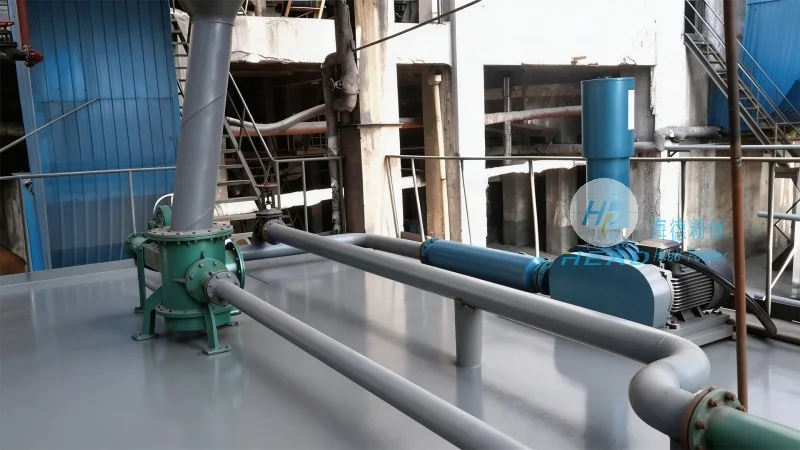
Key Design Parameters to Prevent Blockages
Several critical design parameters must be considered when designing a pneumatic conveying system for polyurethane to prevent pipeline blockages. The first parameter is the system pressure, which determines the air velocity and the ability to keep the material in suspension. For PU powders, a higher pressure may be required to overcome the material's tendency to settle or agglomerate. The second parameter is the pipe diameter, as larger diameters can reduce friction losses and allow for smoother material flow. However, excessively large pipes may require higher air volumes, which can increase energy consumption. The third parameter is the air velocity, which must be optimized to maintain the material in suspension without causing excessive wear on the system components. For PU granules, a velocity of 20-30 m/s is often recommended, while for fine powders, velocities may need to be higher to prevent settling. The fourth parameter is the material's particle size and density, as these characteristics directly impact the required air velocity and pressure. Engineers must conduct thorough material testing to determine the optimal parameters for each specific PU product. Additionally, the choice of pipe material is crucial; materials like stainless steel or PTFE can resist corrosion and abrasion, reducing the risk of blockages caused by material buildup on the pipe walls. Finally, the inclusion of features such as in-line mixers or vibrators can help break up agglomerates and maintain consistent flow, further reducing the likelihood of blockages.
System Layout and Components for Optimal Performance
The layout of the pneumatic conveying system also plays a significant role in preventing blockages. A well-designed system should include a hopper with a proper discharge mechanism to prevent material bridging and arching. The hopper should be equipped with a rotary valve or a star feeder to ensure a consistent flow of material into the conveying line. The conveying line itself should be sloped slightly upward to maintain the material in suspension and prevent settling. Additionally, the inclusion of a receiver or surge tank at the end of the system allows for the accumulation of material and helps maintain a steady flow. The use of in-line filters or cyclones can also help remove dust and debris, reducing the risk of blockages caused by foreign particles. Proper maintenance of the system, including regular cleaning of pipes and components, is essential to prevent the buildup of material and maintain optimal performance. By integrating these design elements and components, engineers can create a pneumatic conveying system that effectively prevents pipeline blockages and ensures reliable operation for PU handling applications.