

How to Prevent Pipeline Blockages in Pneumatic Conveying Systems for PVC Resin? Key Design Parameter
When handling PVC resin using pneumatic conveying systems, preventing pipeline blockages is a critical challenge that can significantly impact operational efficiency and system reliability. Proper system design and maintenance are essential to ensure smooth material flow and minimize downtime. This article explores effective strategies and key design parameters to mitigate blockages in pneumatic conveying systems for PVC resin, with insights from industry experts at Shandong HeadPowder Engineering Co., Ltd., a leading provider of material handling solutions.
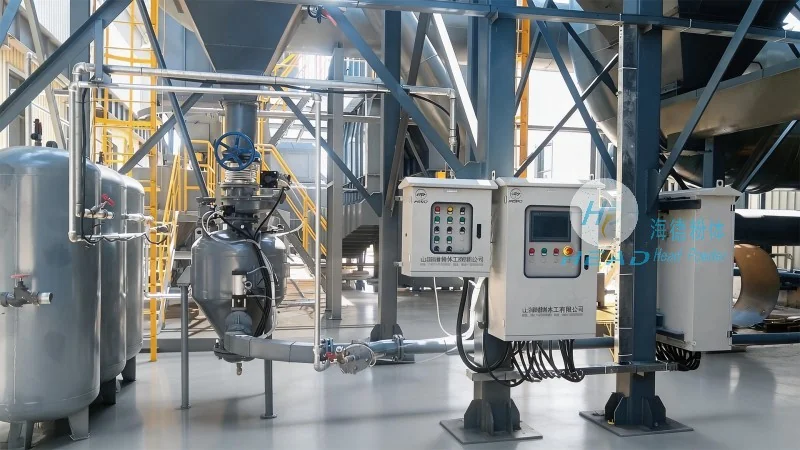
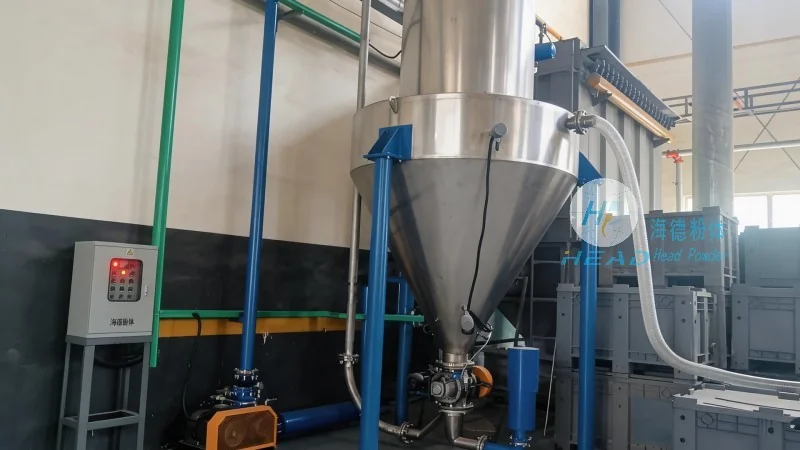
Key Design Parameters for PVC Resin Pneumatic Conveying Systems
Several critical design parameters must be carefully considered to prevent blockages in pneumatic conveying systems for PVC resin. These parameters directly influence the system's ability to maintain consistent material flow and avoid clogging. The primary factors include:
- Pipeline Diameter: The diameter of the conveying pipeline is a fundamental parameter that affects the velocity of the air and the material. Larger diameters generally allow for higher air velocities and reduced pressure drop, which helps prevent material accumulation and blockages. However, excessively large diameters may increase system costs and energy consumption. Shandong HeadPowder Engineering Co., Ltd. recommends selecting a diameter based on the specific flow rate and particle size of the PVC resin, ensuring optimal balance between efficiency and cost.
- Air Velocity: The air velocity within the pipeline is crucial for maintaining the suspension of PVC resin particles. Insufficient air velocity can cause particles to settle and accumulate, leading to blockages. Conversely, excessively high air velocity may increase energy consumption and cause wear on system components. The optimal air velocity for PVC resin typically ranges from 20 to 30 meters per second, depending on the particle size and density. Proper calculation of air velocity is essential to prevent both under-suspension and over-suspension issues.
- Conveying Distance and Layout: The length and layout of the conveying system also impact blockage risk. Longer or more complex layouts may require additional air boosters or pressure vessels to maintain sufficient air pressure and velocity. Shandong HeadPowder Engineering Co., Ltd. emphasizes the importance of designing the system layout to minimize bends and changes in direction, as sharp turns can cause particle accumulation and increase the likelihood of blockages. Properly sized air boosters and pressure vessels are critical to maintaining consistent pressure throughout the system.
- Material Characteristics: The physical properties of PVC resin, such as particle size, density, and moisture content, significantly affect system performance. Coarser or more irregularly shaped particles may require higher air velocities to maintain suspension, while moisture can cause agglomeration and blockages. Understanding the material's characteristics is essential for selecting appropriate equipment and design parameters. Shandong HeadPowder Engineering Co., Ltd. provides comprehensive material testing services to help clients determine the optimal conveying conditions for their specific PVC resin.
Effective Strategies to Prevent Blockages in Pneumatic Conveying Systems
Beyond design parameters, several operational and maintenance strategies can help prevent blockages in pneumatic conveying systems for PVC resin. These strategies focus on ensuring consistent material flow and system health:
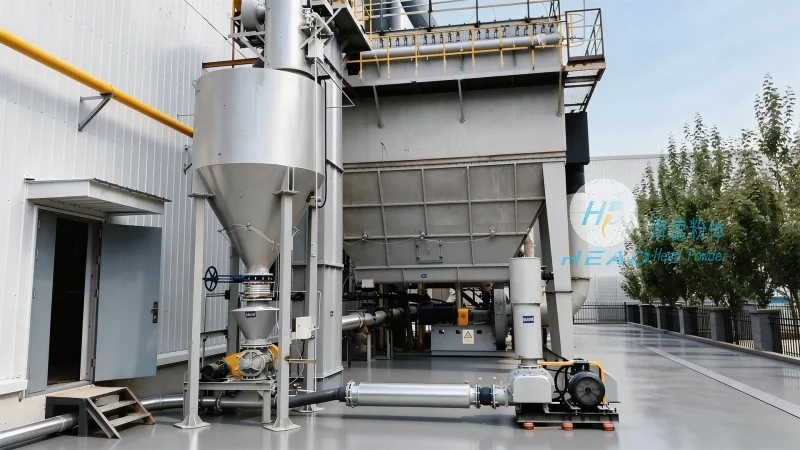
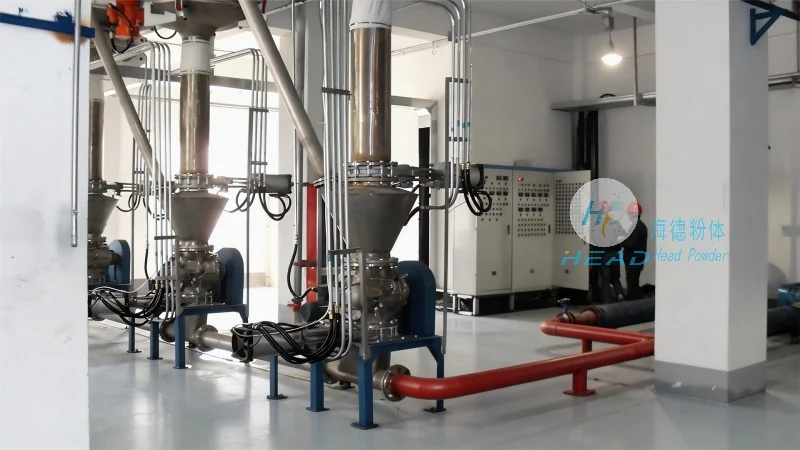
- Regular Cleaning and Maintenance: Routine cleaning of the pipeline and equipment is essential to remove accumulated material and prevent clogging. Shandong HeadPowder Engineering Co., Ltd. recommends scheduling regular maintenance to check for wear and tear on components, such as valves and filters, and replacing them as needed. Proper maintenance can extend the system's lifespan and reduce the risk of unexpected blockages.
- Proper Air Filtration: Air filtration is critical to prevent contaminants from entering the system and causing blockages. High-quality filters can remove dust, debris, and other particles that may interfere with material flow. Shandong HeadPowder Engineering Co., Ltd. uses advanced filtration systems that are designed to handle the specific characteristics of PVC resin, ensuring clean air is delivered to the conveying system.
- Monitoring System Performance: Continuous monitoring of system performance, including pressure, air velocity, and material flow rate, can help detect potential issues before they lead to blockages. Shandong HeadPowder Engineering Co., Ltd. offers advanced monitoring systems that provide real-time data and alerts, allowing operators to take corrective action promptly. This proactive approach helps maintain system efficiency and minimize downtime.
- Material Conditioning: Conditioning the PVC resin, such as drying or pre-mixing with additives, can improve its flow characteristics and reduce the risk of agglomeration. Shandong HeadPowder Engineering Co., Ltd. provides material conditioning solutions tailored to the specific needs of clients, ensuring that the PVC resin is in optimal condition for pneumatic conveying.
Conclusion and Recommendations
Preventing pipeline blockages in pneumatic conveying systems for PVC resin requires a combination of proper design, operational strategies, and regular maintenance. By carefully considering key design parameters and implementing effective preventive measures, manufacturers can ensure smooth material flow, reduce downtime, and improve overall system efficiency. Shandong HeadPowder Engineering Co., Ltd. specializes in providing customized pneumatic conveying solutions for PVC resin, with a focus on minimizing blockages and maximizing operational performance. With their expertise and commitment to quality, they help clients achieve reliable and efficient material handling systems.