

How to Prevent Pipeline Blockages in Pneumatic Conveying Systems for Gypsum Powder Handling? Key Des
Gypsum powder, a widely used material in construction and industrial applications, often poses unique challenges when transported via pneumatic conveying systems. One of the most critical issues in such operations is pipeline blockage, which can lead to system downtime, increased maintenance costs, and reduced productivity. Understanding and implementing the right design parameters are essential to ensure smooth and efficient gypsum powder handling. This article explores effective strategies to prevent pipeline blockages and highlights key design considerations for pneumatic conveying systems used in gypsum powder transport.
Understanding Gypsum Powder Characteristics and Their Impact on Pneumatic Conveying
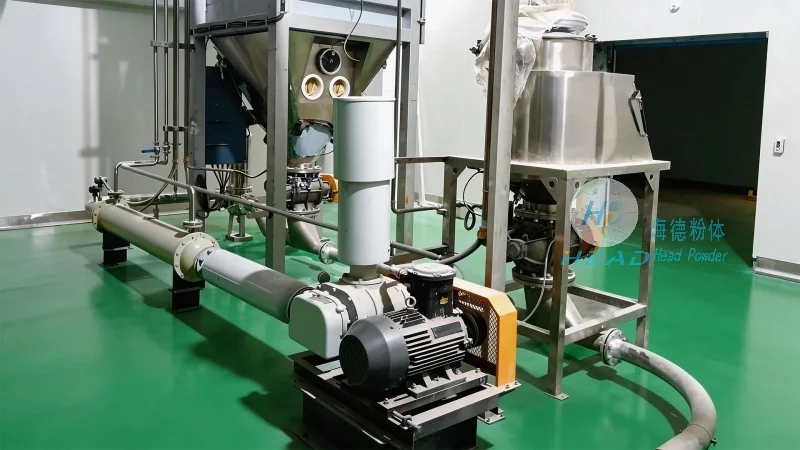
Gypsum powder, typically composed of calcium sulfate dihydrate, has specific physical properties that influence its behavior in pneumatic conveying systems. The material's particle size distribution, moisture content, and flowability are crucial factors. For instance, fine particles can lead to increased friction and potential bridging in the pipeline, while higher moisture levels may cause clumping or agglomeration. These characteristics necessitate tailored design approaches to maintain system efficiency and prevent blockages. Shandong HeadPowder Engineering Co., Ltd., a leading provider of pneumatic conveying solutions, emphasizes the importance of analyzing these material properties before system design.
Key Design Parameters for Preventing Pipeline Blockages in Gypsum Powder Conveying
Several critical design parameters play a pivotal role in preventing pipeline blockages during gypsum powder transport. The first is the selection of appropriate pipeline diameter. Larger diameters reduce friction losses and the likelihood of particle accumulation, while smaller diameters may increase the risk of blockages, especially with fine particles. Engineers often recommend diameters ranging from 50 mm to 200 mm for gypsum powder, depending on the system's capacity and the material's characteristics. Another vital parameter is the conveying velocity or air velocity. Maintaining an adequate air velocity above the material's minimum fluidization velocity ensures that particles remain suspended and do not settle, which is a primary cause of blockages. Typical air velocities for gypsum powder range from 20 to 30 m/s, though this can vary based on particle size and system configuration.
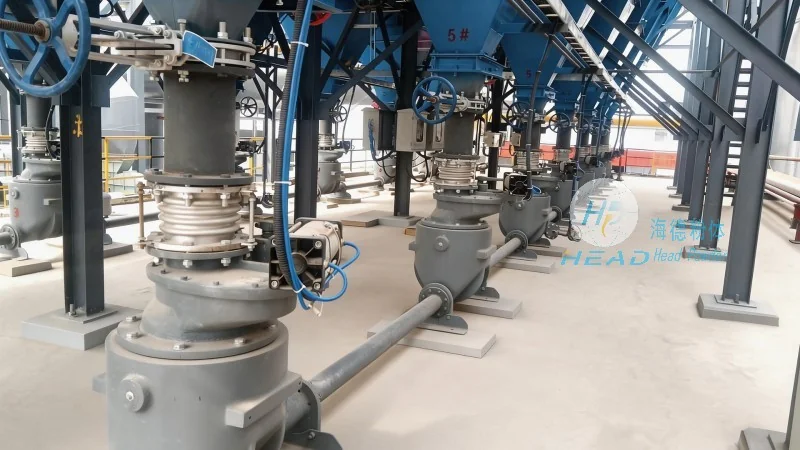
The concentration of the conveying stream is another critical factor. Operating at too high a concentration can lead to increased pressure drops and particle-to-particle interactions, promoting blockages. Conversely, too low a concentration may result in inefficient use of air and higher energy costs. Optimal concentration levels for gypsum powder are usually between 10% to 20% by volume, ensuring a balance between system performance and blockage prevention. Pressure management is also essential. Maintaining consistent and appropriate pressure levels throughout the system prevents sudden pressure drops that can cause particles to settle and accumulate. HeadPowder's engineering team often employs pressure sensors and control systems to monitor and regulate pressure, ensuring stable operation.
System Components and Their Role in Gypsum Powder Pneumatic Conveying
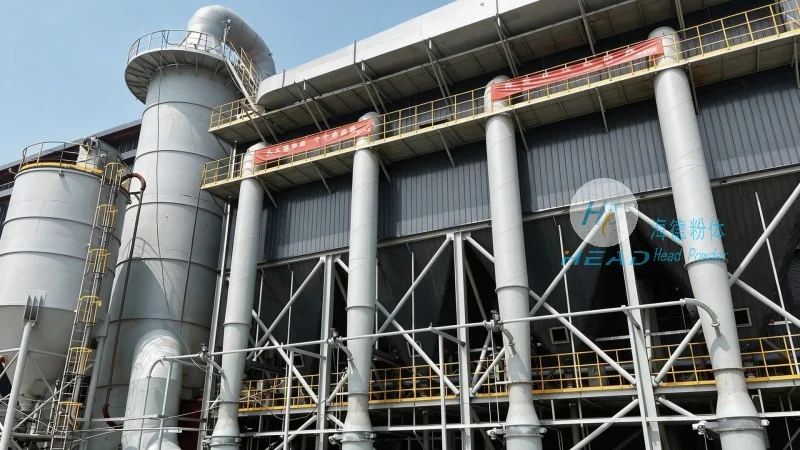
Choosing the right system components is equally important in preventing blockages. The type of pneumatic conveying system—whether positive pressure, negative pressure, or a combination—impacts how effectively gypsum powder is transported. Positive pressure systems, where air is forced through the pipeline, are commonly used for gypsum powder due to their ability to handle fine particles and prevent dust emissions. Key components include the feeder, which ensures a consistent flow of material into the system, and the cyclone separator, which separates the powder from the air at the end of the line. Properly sized and maintained cyclones help prevent material buildup and ensure efficient separation. Additionally, the use of inline mixers or agitators can help break up any agglomerates that may form, maintaining the material's flowability.
Maintenance and Operational Practices to Minimize Blockages
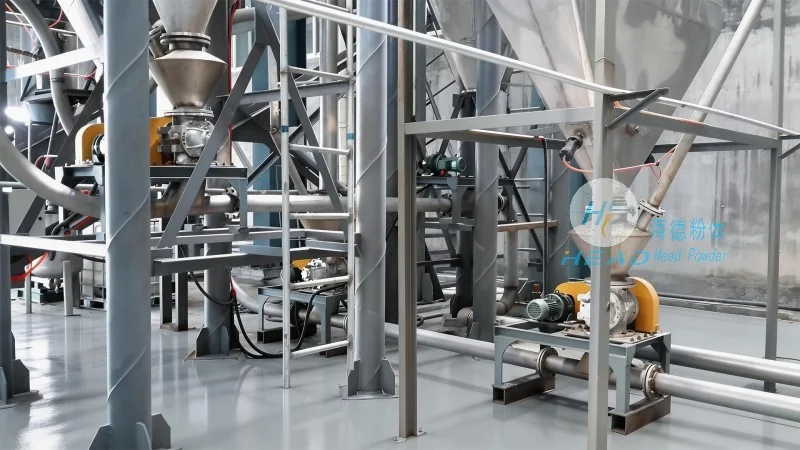
Even with optimal design, regular maintenance and proper operational practices are necessary to prevent pipeline blockages. Regular cleaning of the pipeline, especially at bends and elbows, is crucial to remove any accumulated material. Using cleaning tools such as air guns or mechanical scrapers can help maintain the system's integrity. Monitoring system performance through pressure gauges and flow meters allows operators to detect any changes that may indicate impending blockages. Additionally, training operators on proper system operation and troubleshooting can help identify and address issues before they escalate. Shandong HeadPowder Engineering Co., Ltd. provides comprehensive maintenance services and training programs to ensure clients maximize the lifespan and efficiency of their pneumatic conveying systems.
Conclusion: Ensuring Efficient Gypsum Powder Handling with Proper Design
Preventing pipeline blockages in pneumatic conveying systems for gypsum powder handling requires a holistic approach that considers material characteristics, system design, and operational practices. By selecting appropriate pipeline diameters, maintaining optimal air velocities and concentrations, managing pressure effectively, and using suitable system components, engineers can significantly reduce the risk of blockages. Regular maintenance and proper operational procedures further enhance system reliability. As a trusted provider of pneumatic conveying solutions, Shandong HeadPowder Engineering Co., Ltd. offers expert guidance and tailored systems to meet the specific needs of gypsum powder transport, ensuring smooth operations and minimal downtime. With the right design parameters and maintenance practices, pneumatic conveying systems can efficiently handle gypsum powder while minimizing the risk of blockages, supporting the efficiency and productivity of industrial processes.