

How to Prevent Pipeline Blockages in Pneumatic Conveying Systems for Stone Powder Transport? Key Des
For industries dealing with stone powder, efficient material handling is crucial. Pneumatic conveying systems offer a reliable solution for transporting such powders over short to medium distances. However, a common challenge in these systems is pipeline blockage, which can disrupt operations and increase maintenance costs. Understanding and implementing the right design parameters are essential to mitigate this issue and ensure smooth material flow.
Common Causes of Pipeline Blockages in Stone Powder Conveying
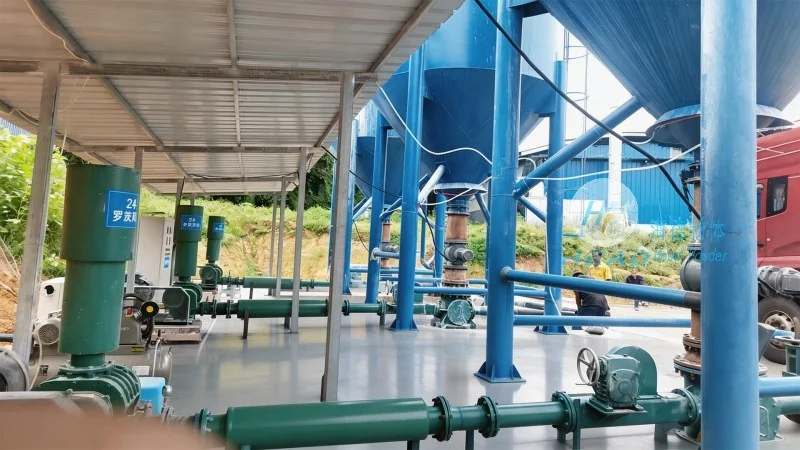
Several factors contribute to blockages in pneumatic conveying systems when handling stone powder. These include the particle size distribution, moisture content, and the flow rate of the material. Agglomeration of particles due to moisture or improper mixing can lead to clogs. Additionally, the type of air flow (positive or negative pressure) and the system's pressure drop also play significant roles. Proper assessment of these factors is the first step toward preventing blockages.
Key Design Parameters to Prevent Blockages
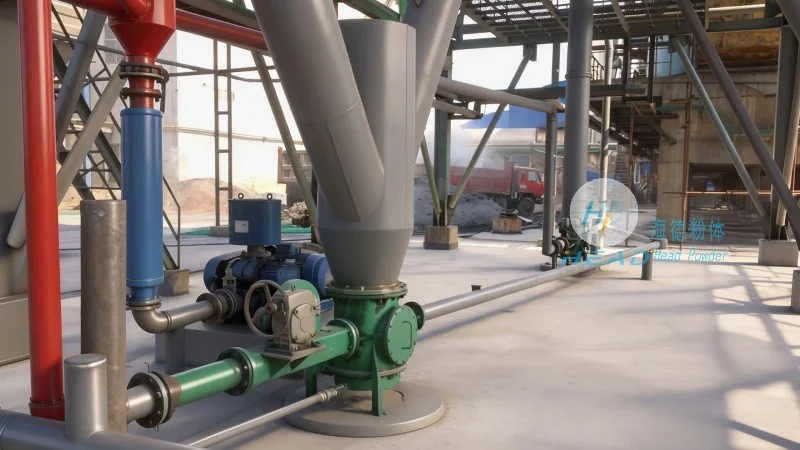
Effective design of a pneumatic conveying system for stone powder involves several critical parameters. The first is the selection of the appropriate air velocity. For stone powder, maintaining an air velocity above the minimum fluidization velocity is vital to prevent particle settling and blockage. The minimum fluidization velocity can be calculated using the Carman-Kozeny equation, which considers the particle size, density, and air properties. Typically, for stone powders with particle sizes ranging from 0.1 to 2 mm, an air velocity of 20-30 m/s is recommended to ensure proper suspension. The system's pressure drop must also be carefully calculated to ensure sufficient air flow without excessive energy consumption. The pressure drop across the pipeline is influenced by the diameter, length, and fittings, and must be kept within a range that allows for adequate material transport while minimizing energy costs. The pipeline diameter and length are other key factors; larger diameters and shorter lengths reduce friction losses and the likelihood of blockages. For example, a 100 mm diameter pipeline with a length of 50 meters may have a pressure drop of 0.5 bar, which is manageable with proper air compressor selection. Additionally, the use of appropriate bends and elbows with smooth transitions can minimize turbulence and particle accumulation. The angle and radius of the bends should be designed to reduce pressure losses and prevent particle impact on the pipe walls, which can lead to wear and blockage over time.
Material Handling Considerations
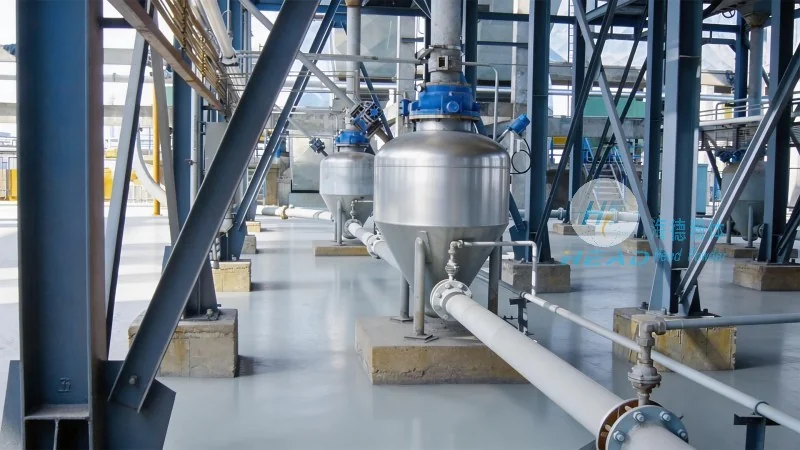
When designing a system for stone powder, the material's physical properties must be considered. The particle size and density affect the required air velocity and pressure. For example, finer particles may require higher air velocities to maintain suspension. Moisture content is another critical factor; if the powder is hygroscopic, it may clump together, leading to blockages. Incorporating drying or dehumidification steps in the system can help mitigate this issue. Moreover, the use of anti-static measures is important as stone powders can generate static electricity, which may attract particles and contribute to blockages. The hopper design should allow for uniform material flow and prevent arching or ratholing, which can cause feed issues. Proper sealing of the hopper and feeder can also prevent moisture ingress and maintain material quality.
System Components and Their Role in Preventing Blockages
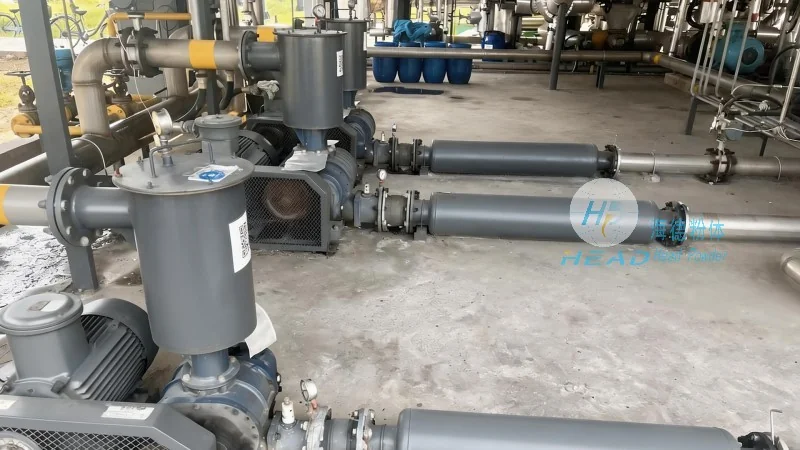
The components of a pneumatic conveying system, such as the hopper, feeder, and filter, all contribute to the prevention of blockages. The hopper design should allow for uniform material flow and prevent arching or ratholing, which can cause feed issues. The feeder, whether a rotary valve or a screw feeder, must be selected based on the material's flow characteristics to ensure consistent material delivery. The filter system is crucial for maintaining air quality and preventing dust accumulation, which can lead to blockages in downstream equipment. Regular maintenance of these components is essential to keep the system operating efficiently. For instance, the filter bags should be replaced or cleaned regularly to avoid clogging, which can increase pressure drop and cause system failure. The air compressor must also be sized appropriately to provide the required pressure and flow rate, and its performance should be monitored to detect any issues early.