

How to Prevent Pipeline Blockages in Pneumatic Conveying Systems for Alumina Powder? Key Design Para
When it comes to transporting alumina powder, the choice of a pneumatic conveying system is often preferred for its efficiency and ability to handle fine powders. However, a common challenge in such systems is the risk of pipeline blockages, which can halt operations and lead to costly downtime. Understanding the key design parameters that mitigate these risks is crucial for ensuring smooth and reliable alumina powder transport. This article explores the critical factors involved in preventing blockages and maintaining optimal performance in pneumatic conveying systems.
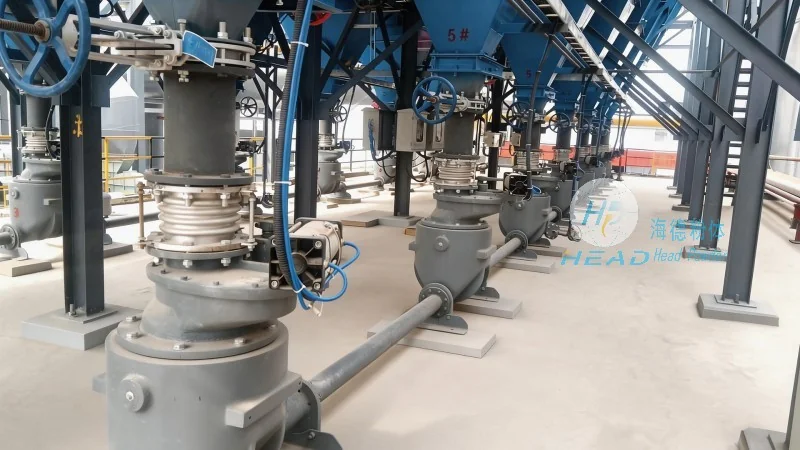
Understanding Alumina Powder Characteristics and Their Impact on Conveying
Alumina powder, with its fine particle size and specific density, presents unique challenges in pneumatic conveying. The properties of the powder, such as particle size distribution, moisture content, and flowability, directly influence the system's performance. For instance, finer particles are more prone to agglomeration, which can lead to blockages if not properly managed. It is essential to consider these characteristics when designing the conveying system to ensure that the equipment can handle the material's behavior effectively.
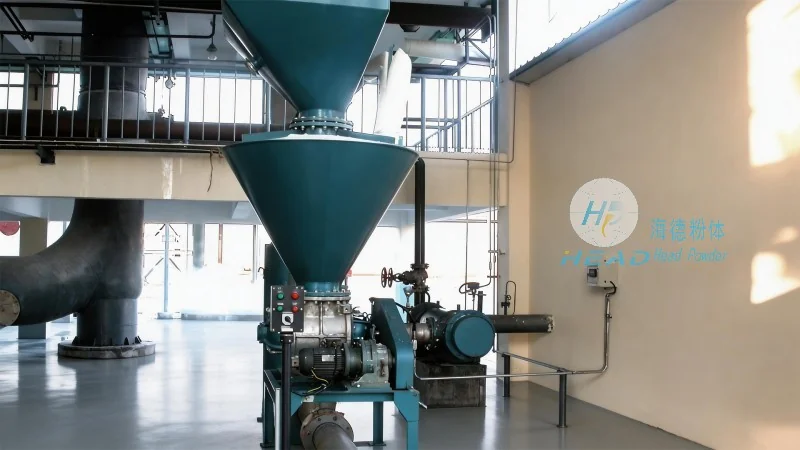
Key Design Parameters for Preventing Pipeline Blockages
Several key design parameters play a vital role in preventing blockages in pneumatic conveying systems for alumina powder. These parameters are carefully selected based on the material's properties and the system's operational requirements. The primary factors include:
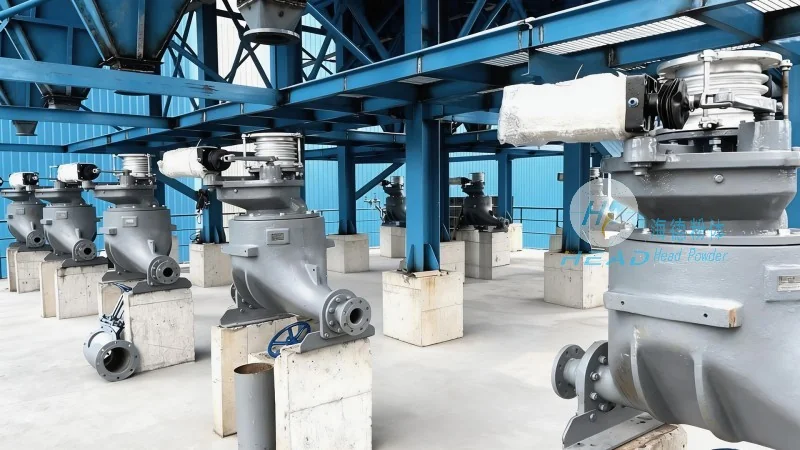
- Conveying Velocity: Maintaining an appropriate air velocity is critical. If the velocity is too low, the powder may settle and cause blockages. Conversely, excessively high velocity can lead to excessive wear and energy consumption. The optimal velocity is typically determined by the powder's particle size and density, ensuring that the powder remains suspended without causing pressure drops.
- Pipeline Diameter: The diameter of the conveying pipeline is another critical factor. Larger diameters reduce pressure drop and the risk of blockages, as they allow for smoother flow and better suspension of the powder. However, larger diameters also require more material and space, which may not be feasible in all applications. The balance between diameter and system cost is essential in the design process.
- Pressure and Air Flow Rate: The system's pressure and air flow rate must be carefully controlled. Adequate pressure ensures that the powder is effectively conveyed, while excessive pressure can cause wear on components and increase energy costs. The air flow rate is also crucial, as it must be sufficient to keep the powder suspended and prevent it from settling in the pipeline.
- System Configuration (e.g., Dilute Phase vs. Dense Phase): The choice between dilute phase and dense phase conveying systems impacts blockage risk. Dilute phase systems use higher air velocities and lower pressure, making them suitable for fine powders but more prone to pressure drops. Dense phase systems, on the other hand, use lower air velocities and higher pressure, which can reduce the risk of blockages by ensuring the powder moves in a more controlled manner. The selection depends on the specific application and material characteristics.
- Material Handling Equipment and Components: The design and selection of components such as cyclones, filters, and valves are vital. Properly sized and positioned cyclones can effectively separate the powder from the air, preventing buildup that could lead to blockages. High-quality, wear-resistant components are essential to withstand the abrasive nature of alumina powder and maintain system integrity over time.
The Role of Shandong HeadPowder Engineering Co., Ltd. in Designing Effective Conveying Solutions
Shandong HeadPowder Engineering Co., Ltd., a leading provider of pneumatic conveying solutions, specializes in designing systems tailored to the unique needs of alumina powder transport. With years of experience in the industry, the company understands the critical importance of preventing blockages and optimizing system performance. By leveraging advanced engineering principles and a deep understanding of material behavior, HeadPowder engineers develop customized solutions that address the specific challenges of alumina powder handling.
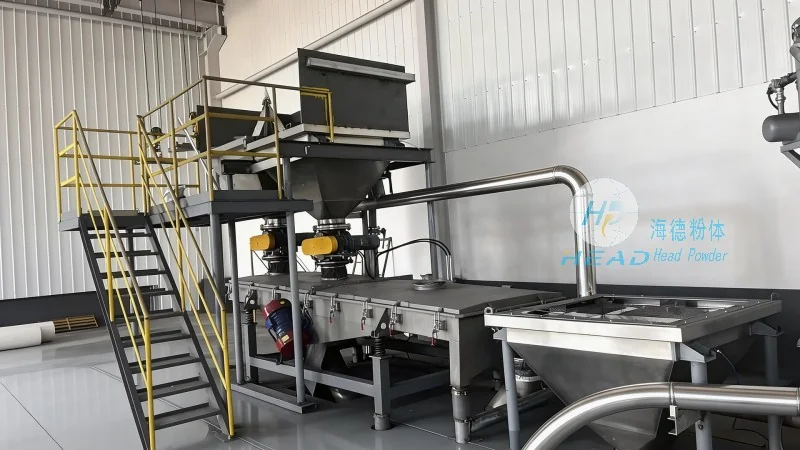
The company's approach involves a comprehensive analysis of the material's properties, operational requirements, and site constraints. This ensures that the final design incorporates all key parameters discussed earlier, resulting in a system that minimizes the risk of blockages while maximizing efficiency and reliability. HeadPowder's commitment to quality and customer satisfaction is reflected in the robust and durable systems they provide, which are built to withstand the demands of alumina powder conveying over extended periods.