

Preventing Pipeline Blockages in Pneumatic Conveying Systems for Quartz Sand Powder: Key Design Para
For industrial applications involving the transport of quartz sand powder via pneumatic conveying systems, preventing pipeline blockages is a critical challenge. The performance and reliability of these systems depend heavily on proper design and operational parameters. This article explores effective strategies to mitigate blockages and highlights key design parameters that engineers must consider when implementing pneumatic conveying solutions for quartz sand powder.
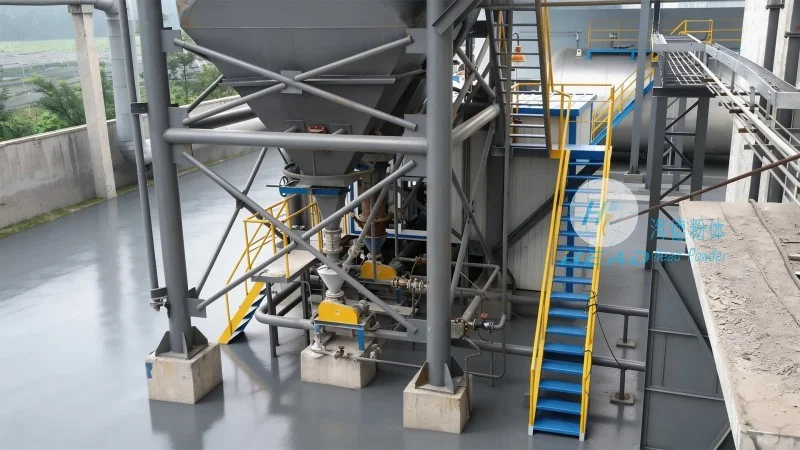
Understanding the Challenges of Quartz Sand Powder in Pneumatic Conveying
Quartz sand powder, with its characteristic particle size, density, and flow properties, presents unique challenges in pneumatic transport. The material's abrasive nature and tendency to agglomerate can lead to increased friction and reduced flowability within the conveying system. Additionally, variations in moisture content or particle size distribution can significantly impact the system's efficiency and increase the risk of blockages. Proper understanding of these material characteristics is essential for designing an effective pneumatic conveying system.
Key Design Parameters for Preventing Pipeline Blockages
Several critical design parameters must be optimized to ensure smooth and unobstructed transport of quartz sand powder. The first is the system pressure, which directly influences the velocity of the material and air mixture. Higher pressures generally allow for faster transport but may also increase the risk of particle degradation or increased wear on system components. Engineers must balance pressure levels to achieve optimal conveying efficiency while minimizing blockage risks. The velocity of the conveying stream is another crucial factor; excessive or insufficient velocity can lead to settling or agglomeration of particles, causing blockages. The recommended velocity for quartz sand powder typically ranges between 20 to 30 meters per second, depending on particle size and system configuration.
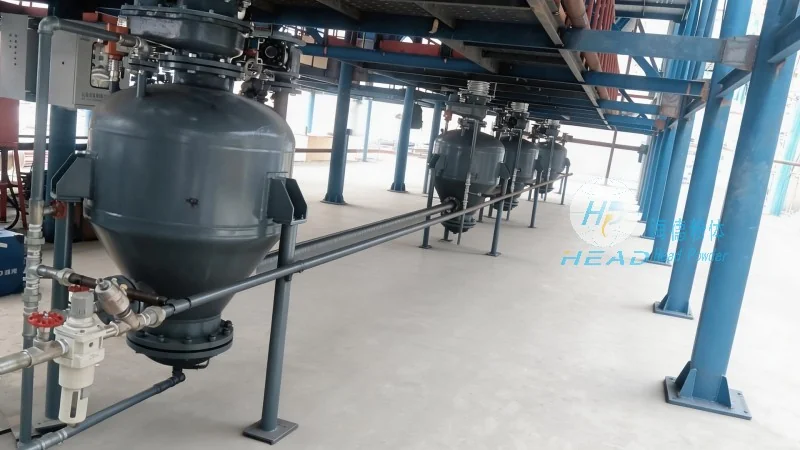
A third key parameter is the air-to-solid ratio (A/S ratio), which determines the proportion of air to powder in the conveying stream. An appropriate A/S ratio ensures that the powder is fully suspended and transported without settling. For quartz sand powder, an optimal A/S ratio often falls between 0.5 to 1.0, depending on the system's length and the required flow rate. Maintaining this ratio consistently is vital to prevent particle accumulation and blockages.
The diameter of the conveying pipeline is also a critical design consideration. Smaller diameters increase the risk of blockages due to higher friction and reduced particle suspension, while larger diameters may lead to higher energy consumption and increased system costs. For quartz sand powder, a pipeline diameter of 50 to 100 millimeters is commonly used, with specific dimensions tailored to the material's particle size and the required flow rate. The material of the pipeline itself is another important factor; materials such as stainless steel or PVC are preferred for their resistance to abrasion and corrosion, which can contribute to blockage prevention.
System Layout and Equipment Selection
The layout of the pneumatic conveying system, including the proportion of vertical and horizontal runs, plays a significant role in preventing blockages. Systems with excessive vertical sections may experience increased pressure drops and particle settling, while horizontal sections require sufficient velocity to maintain particle suspension. A balanced layout, with appropriate inclinations and bends, helps maintain consistent flow and reduces the likelihood of blockages. The selection of equipment, such as rotary valves for feeding and cyclone separators for material separation, is also critical. Properly sized and maintained equipment ensures that the powder is introduced into the system smoothly and that any separated material is handled efficiently, preventing buildup and blockages.
Operational Considerations and Maintenance
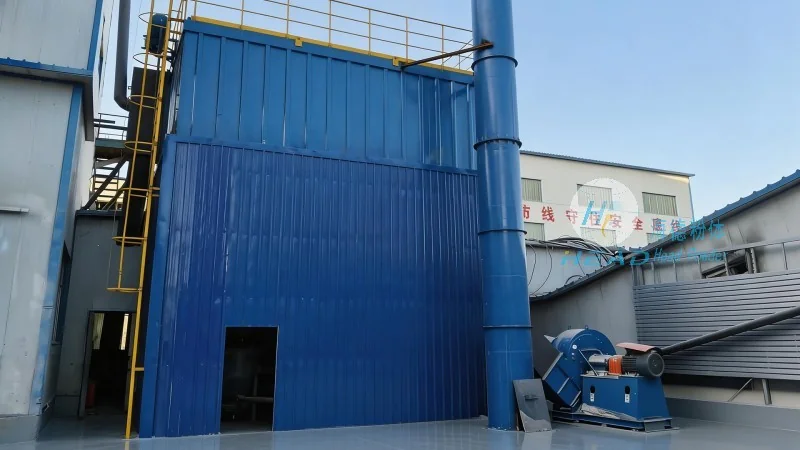
Beyond design parameters, operational considerations and regular maintenance are essential for preventing pipeline blockages. Monitoring system pressure, flow rates, and particle flow patterns allows operators to detect potential issues early. Regular cleaning of pipelines, rotary valves, and other components helps remove accumulated material and prevent clogging. Additionally, controlling the moisture content of the quartz sand powder before conveying can improve its flowability and reduce the risk of agglomeration. Implementing these operational practices, combined with proper design, ensures the long-term reliability and efficiency of pneumatic conveying systems for quartz sand powder.
About Shandong HeadPowder Engineering Co., Ltd.
Shandong HeadPowder Engineering Co., Ltd., a leading provider of pneumatic conveying solutions, specializes in designing and manufacturing systems tailored to the unique needs of industrial applications. With years of experience in the field, the company offers expert guidance on selecting the right design parameters and equipment for preventing pipeline blockages in quartz sand powder transport. HeadPowder's commitment to quality and innovation ensures that their systems deliver reliable performance and meet the highest industry standards. Based in Shandong, China, the company serves clients globally, providing customized solutions that enhance operational efficiency and reduce downtime. For more information on their pneumatic conveying systems, contact HeadPowder Engineering.