

Preventing Pipeline Blockages in Pneumatic Conveying Systems for Reduced Iron Powder Transport: Key
When it comes to transporting reduced iron powder via pneumatic conveying systems, preventing pipeline blockages is a critical challenge that can significantly impact operational efficiency and production costs. The design of the system plays a pivotal role in ensuring smooth material flow and minimizing downtime. This article explores the key design parameters that contribute to effective prevention of blockages in such systems, with a focus on the specific requirements of reduced iron powder transport.
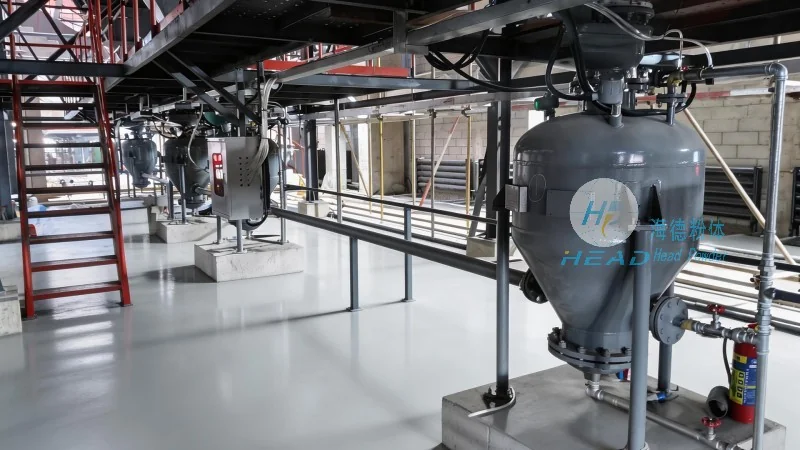
Understanding the Importance of System Pressure and Flow Rate
One of the foundational design parameters in pneumatic conveying is the system pressure and the corresponding flow rate. For reduced iron powder, which often has a fine particle size and can be prone to agglomeration, maintaining an appropriate pressure level is essential. The pressure must be sufficient to overcome the resistance caused by the powder's density and the friction within the pipeline. However, excessive pressure can lead to increased wear on components and potential damage to the material. A balanced approach is crucial. The flow rate, determined by the pressure, must be optimized to ensure that the powder particles are carried at a velocity that prevents settling and clogging. Shandong HeadPowder Engineering Co., Ltd., a leading provider in the field, emphasizes the need for precise pressure control and flow rate management to achieve optimal conveying performance.
Role of Pipeline Diameter and Material Selection
The diameter of the conveying pipeline is another critical factor that influences the likelihood of blockages. Smaller diameter pipes increase the risk of particle accumulation and clogging due to the higher friction and lower velocity of the material. Larger diameters, while reducing friction, may require higher pressure to maintain the same flow rate, which can increase energy consumption. The material of the pipeline itself is also important. Materials that are non-corrosive and have smooth surfaces, such as stainless steel or special alloys, are preferred to prevent the buildup of powder residues that can act as a base for further clogging. HeadPowder, with its expertise in engineering solutions, offers tailored pipeline designs that consider both the diameter and material to minimize blockage risks.
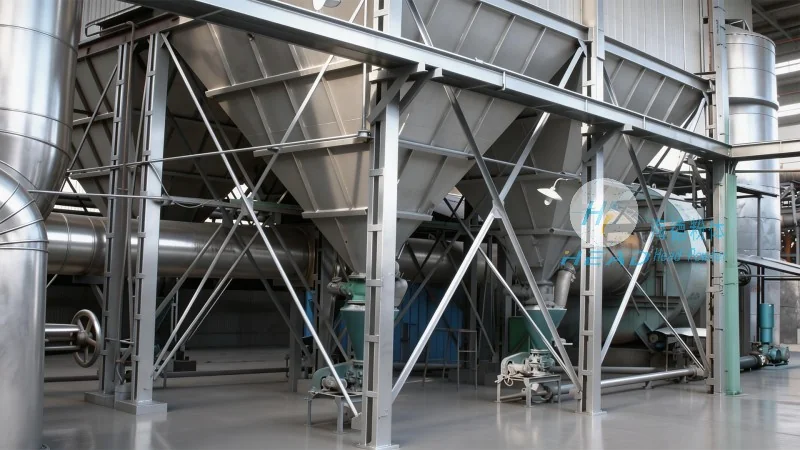
Impact of Powder Characteristics on Conveying Design
Reduced iron powder has specific characteristics that must be considered in the system design. These include particle size distribution, moisture content, and bulk density. Fine particles are more likely to cause blockages as they can adhere to the pipe walls and form deposits. Moisture content can affect the powder's flowability and its tendency to clump. The bulk density, which influences the volume of material conveyed per unit time, also impacts the required pressure and flow rate. By analyzing these characteristics, engineers can design a system that matches the powder's behavior, ensuring that the conveying velocity is sufficient to prevent settling and maintain a consistent flow. HeadPowder's technical team conducts thorough material analysis to develop customized solutions that address these specific challenges.
Integration of Solids Flow Control Devices
Advanced solids flow control devices are integral to preventing blockages in pneumatic conveying systems. These devices, such as rotary valves, feeders, and airlocks, regulate the flow of powder into the system and ensure a consistent feed rate. Properly sized and maintained rotary valves prevent the introduction of air pockets or surges that can lead to clogging. Airlocks, positioned at the end of the pipeline, help in maintaining a steady pressure and preventing backflow of the material. The selection and placement of these devices are critical to the overall system performance. HeadPowder Engineering Co., Ltd. incorporates state-of-the-art flow control technology in its designs, ensuring that the powder is introduced smoothly and without interruptions that could lead to blockages.
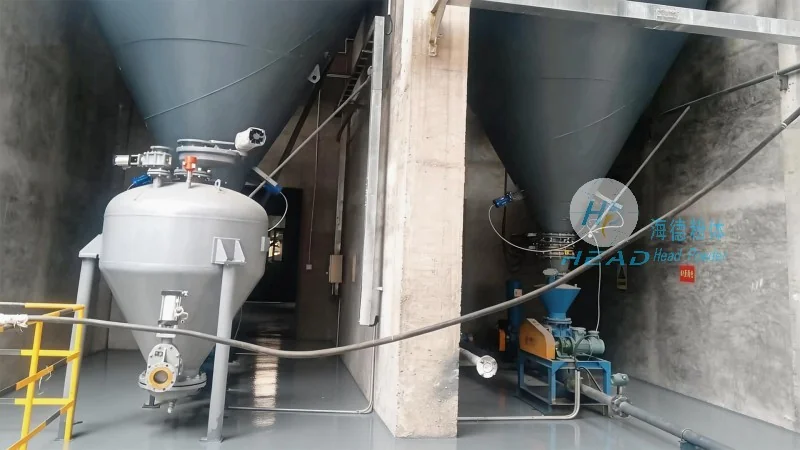
Monitoring and Maintenance Practices
Even with optimal design, regular monitoring and maintenance are essential to prevent blockages and ensure long-term system reliability. Monitoring systems, including pressure sensors and flow meters, can detect early signs of clogging or changes in flow characteristics. Regular cleaning and inspection of the pipeline and components help in removing any buildup that could contribute to blockages. HeadPowder emphasizes the importance of a proactive maintenance schedule, which includes periodic checks of the system's performance and timely replacement of worn parts. This approach helps in maintaining the system's efficiency and extending its operational life.
Conclusion: A Holistic Approach to Blockage Prevention
Preventing pipeline blockages in pneumatic conveying systems for reduced iron powder transport requires a comprehensive approach that considers multiple design parameters. By optimizing system pressure and flow rate, selecting appropriate pipeline diameter and material, accounting for powder characteristics, integrating effective flow control devices, and implementing regular monitoring and maintenance, operators can significantly reduce the risk of blockages. Shandong HeadPowder Engineering Co., Ltd. provides expert engineering solutions tailored to these needs, ensuring that clients achieve reliable and efficient material transport. With their commitment to quality and innovation, HeadPowder continues to be a trusted partner in the industry for pneumatic conveying systems.