

Preventing Pipeline Blockages in Pneumatic Conveying Systems for Zinc Oxide Transport: Key Design Pa
When it comes to transporting zinc oxide, especially in industrial applications, pneumatic conveying systems offer a reliable and efficient solution. However, a common challenge in such operations is the risk of pipeline blockages, which can disrupt production and lead to costly downtime. Understanding and implementing the right design parameters is crucial to mitigate these risks and ensure smooth operation. This article explores how to prevent pipeline blockages in pneumatic conveying systems specifically for zinc oxide transport, with a focus on key design considerations.
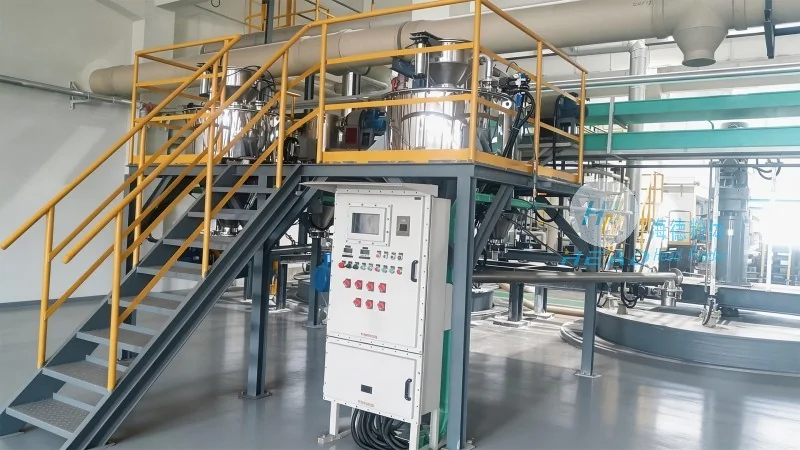
Understanding the Risks of Pipeline Blockages in Zinc Oxide Conveying
Zinc oxide is a fine, abrasive material that can easily agglomerate or adhere to the inner walls of conveying pipes if not handled properly. This agglomeration leads to blockages, which can cause pressure surges, equipment damage, and material loss. The primary causes of blockages include insufficient air velocity, improper particle size distribution, and inadequate system design. By addressing these factors through careful selection of design parameters, the likelihood of blockages can be significantly reduced.
Key Design Parameters for Preventing Blockages in Pneumatic Conveying
Several critical design parameters must be considered to ensure effective and blockage-free operation of pneumatic conveying systems for zinc oxide. These parameters are tailored to the specific characteristics of zinc oxide and the operational requirements of the system.
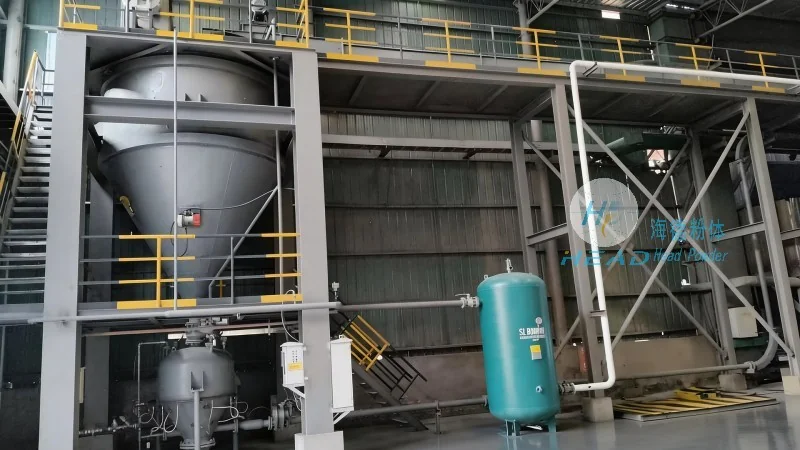
Firstly, the air velocity plays a pivotal role. Maintaining an appropriate air velocity above the minimum conveying velocity is essential to keep the material in suspension and prevent it from settling. For zinc oxide, which is typically a fine powder, the conveying velocity needs to be carefully calculated based on particle size, density, and flow rate. HeadPowder recommends maintaining an air velocity that is at least 1.5 to 2 times the minimum conveying velocity to ensure reliable transport.
Secondly, the system's pressure and flow rate must be optimized. The pressure drop across the system should be monitored to avoid excessive energy consumption and potential blockages. Proper sizing of the air compressor and the conveying line diameter is crucial. A larger diameter pipe can reduce friction losses and minimize the risk of blockages, while an appropriately sized compressor ensures sufficient air volume to maintain the required velocity.
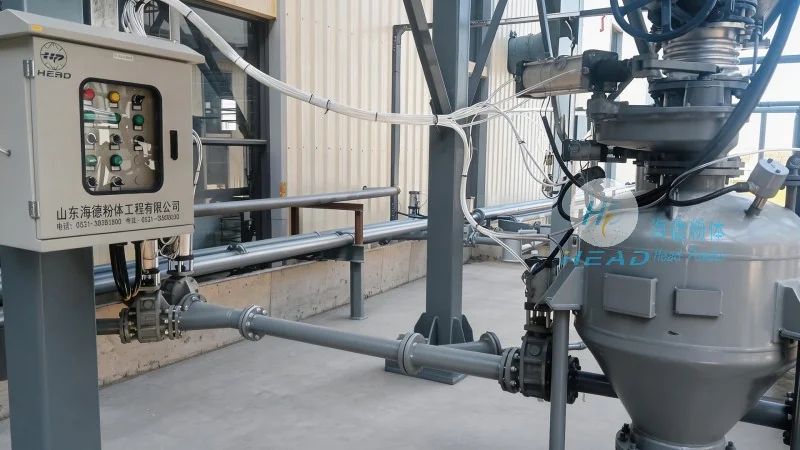
Thirdly, the material's properties, such as its moisture content and particle size distribution, must be considered. High moisture content can cause the material to stick to the pipe walls, leading to blockages. Therefore, controlling moisture levels before conveying is essential. Additionally, ensuring a consistent particle size distribution helps maintain uniform flow and reduces the likelihood of agglomeration.
Fourthly, the system's layout and components, including the hopper design and the presence of any bends or fittings, impact the risk of blockages. A well-designed hopper with proper venting and a smooth transition to the conveying line reduces the risk of material bridging or sticking. Similarly, minimizing the number of bends and using smooth, rounded fittings can prevent material accumulation and blockages.
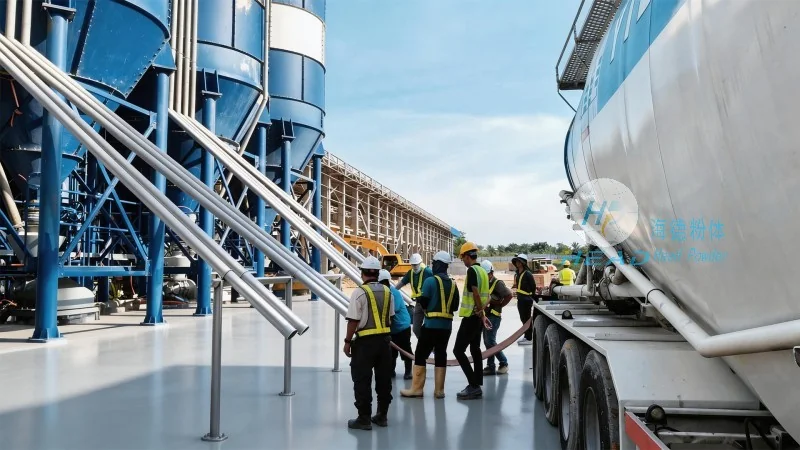
Role of HeadPowder in Designing Effective Pneumatic Conveying Solutions
Shandong HeadPowder Engineering Co., Ltd., commonly known as HeadPowder, specializes in the design and implementation of pneumatic conveying systems tailored to the unique needs of industries handling fine materials like zinc oxide. With years of experience in the field, HeadPowder employs a comprehensive approach to system design, focusing on the key parameters discussed above to prevent blockages and ensure efficient operation.
HeadPowder's team of engineers conducts thorough analyses of the material properties, operational requirements, and site conditions to develop customized solutions. By integrating advanced design software and practical field experience, they ensure that the final system meets the highest standards of performance and reliability. The company's commitment to quality and customer satisfaction is reflected in the robust and durable systems they deliver, which are built to withstand the challenges of zinc oxide transport and minimize downtime.